BBC Exposes AI-Generated Fake Holocaust Images on Facebook
BBC Investigation Uncovers AI-Generated Fake Holocaust Images
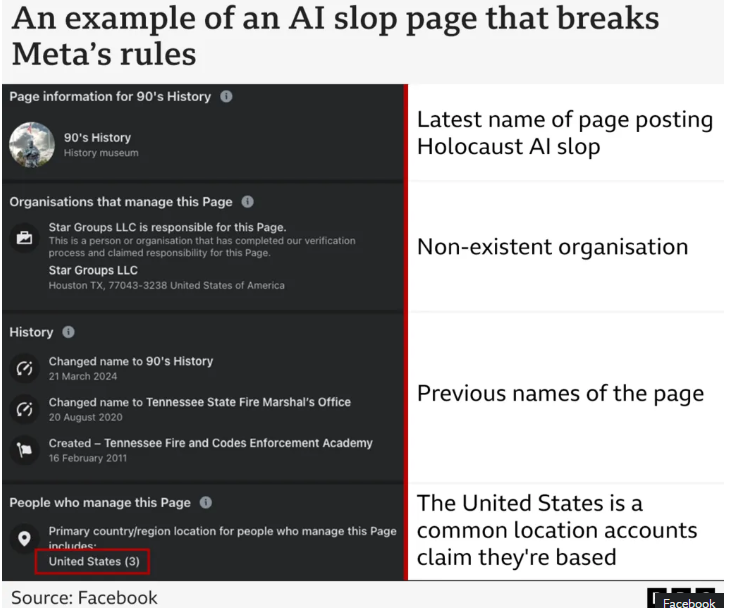
A transnational online fraud gang has been posting AI-generated fake images of Holocaust victims on Facebook, according to a recent BBC investigation. These fabricated images have drawn widespread condemnation from organizations dedicated to preserving the memory of the Holocaust, who say they cause immense pain to survivors and their families.
Distorting Historical Tragedy
During World War II, only a handful of real photographs were taken inside the Auschwitz concentration camp. Yet, in recent months, AI-generated images claiming to depict camp scenes—such as a prisoner playing the violin or lovers reuniting by a fence—have gone viral, amassing tens of thousands of likes and shares.
Paweł Sawicki, a spokesperson for the Auschwitz Memorial, condemned these posts: "Someone is fabricating stories here... this is a strange emotional game on social media." He emphasized that the Holocaust was not a game but a real historical tragedy that demands respect and accurate remembrance.
The Profit Motive Behind Fake Content
The BBC traced many of these fake images to a network of content creators based in Pakistan, who collaborate with Meta’s content monetization program to profit from engagement. One account, Abdul Mughis, reportedly earned $20,000 from social media, with his content surpassing 1.2 billion views in just four months.
These low-quality AI-generated posts—often dubbed "AI garbage"—flood social media platforms. In June, the Auschwitz Museum issued warnings about accounts stealing its archival material, altering it with AI tools, and fabricating false narratives about victims.
Threat to Historical Integrity
The proliferation of fake Holocaust imagery has also sowed confusion among audiences. Many users now dismiss authentic historical photos as AI-generated. Survivors and their families have expressed anguish over this trend. Dr. Robert Williams of the International Holocaust Remembrance Alliance lamented the situation: "Manipulating history in this way is deeply harmful."
Meta acknowledged that while it does not encourage false stories, its algorithm rewards high-engagement content—even if it’s misleading. The BBC identified similar "AI garbage" accounts operating from India, Vietnam, Thailand, and Nigeria.
Key Points:
- 📌 Fraud gangs exploit AI to create fake Holocaust images for profit on Facebook.
- 📌 Auschwitz Memorial warns these posts distort history and traumatize survivors.
- 📌 Meta’s monetization system inadvertently promotes low-quality, misleading content.