Apple's Xcode 26.3 Turns AI Into Full-Fledged Coding Partners
Apple Redefines Developer Tools With Autonomous AI Agents in Xcode 26.3
In a move that could reshape software development, Apple released Xcode 26.3 on February 27, featuring what might be the most significant upgrade to its developer tools in years. This isn't just another incremental update - it fundamentally changes how programmers will interact with artificial intelligence.
From Copilot to Colleague
The standout feature is what Apple calls "autonomous AI coding agents." Unlike previous tools that offered piecemeal code suggestions, these agents can comprehend entire project architectures. They break down complex objectives into actionable steps and implement changes across multiple files - capabilities that until now required human oversight.
"We're seeing AI transition from being an assistant to becoming a true collaborator," explains Marco Arment, an iOS developer who tested early versions. "It's like having another developer on your team who never sleeps."
Open Ecosystem Approach
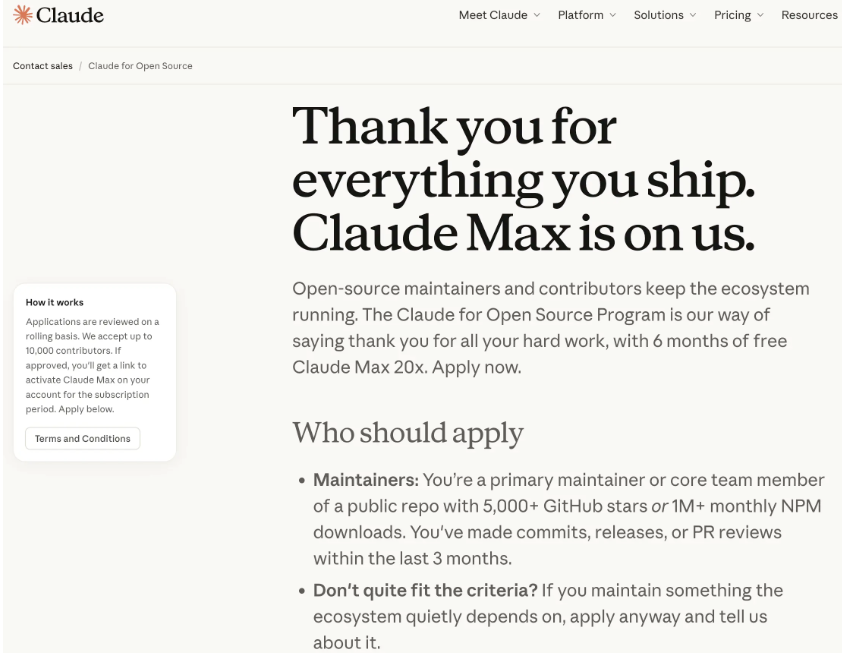
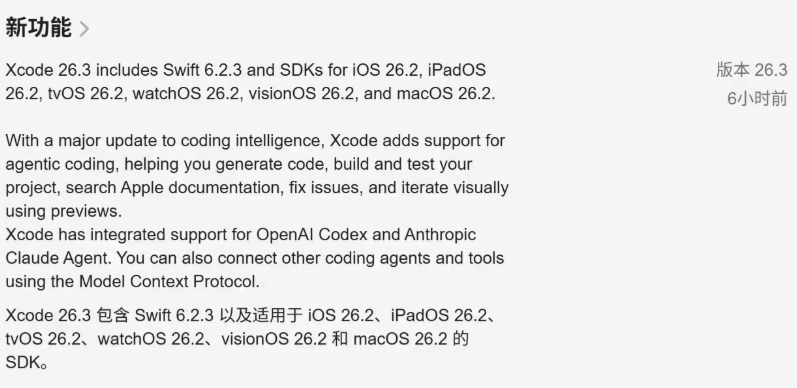
Rather than locking developers into proprietary solutions, Apple took the surprising step of natively integrating both OpenAI's Codex and Anthropic's Claude models directly into Xcode. Developers can switch between these industry-leading systems depending on their specific needs.
The company also introduced two foundational technologies:
- Model Context Protocol (MCP): An open standard enabling seamless integration of third-party AI models without plugins
- Fine-grained Permission Control: Requires explicit developer approval before AI agents access or modify critical project resources
These innovations address growing concerns about security while maintaining flexibility in an evolving AI landscape.
Practical Implications
The update arrives alongside Swift 6.2.3 and matching SDKs, completing Apple's vision of deeply integrated AI throughout the development workflow.
"This changes everything," says Sarah Chen, CTO at mobile startup AppVantage. "Our team spends about 40% of their time on boilerplate code and debugging basic logic issues. With these autonomous agents handling that grunt work, we can redirect that energy toward creative problem-solving and architecture."
The implications extend beyond productivity gains. By standardizing how different AIs interact with development environments through MCP, Apple may have quietly established itself as a key player in shaping the future of programming assistance tools.
The rollout hasn't been without skepticism though. Some developers worry about potential job impacts or over-reliance on opaque systems.
"I'll believe it when I see it," comments veteran programmer Derek Langley on developer forums. "Every tool promises to revolutionize our workflow until you hit real-world edge cases."
Key Points:
- Autonomous functionality: AI agents now handle multi-file modifications independently
- Dual-model integration: Native support for both Claude and ChatGPT models
- Security focus: Granular permission system prevents unauthorized access
- Open standards: MCP protocol enables future third-party model integration
- Swift updates: Comes bundled with latest Swift language version