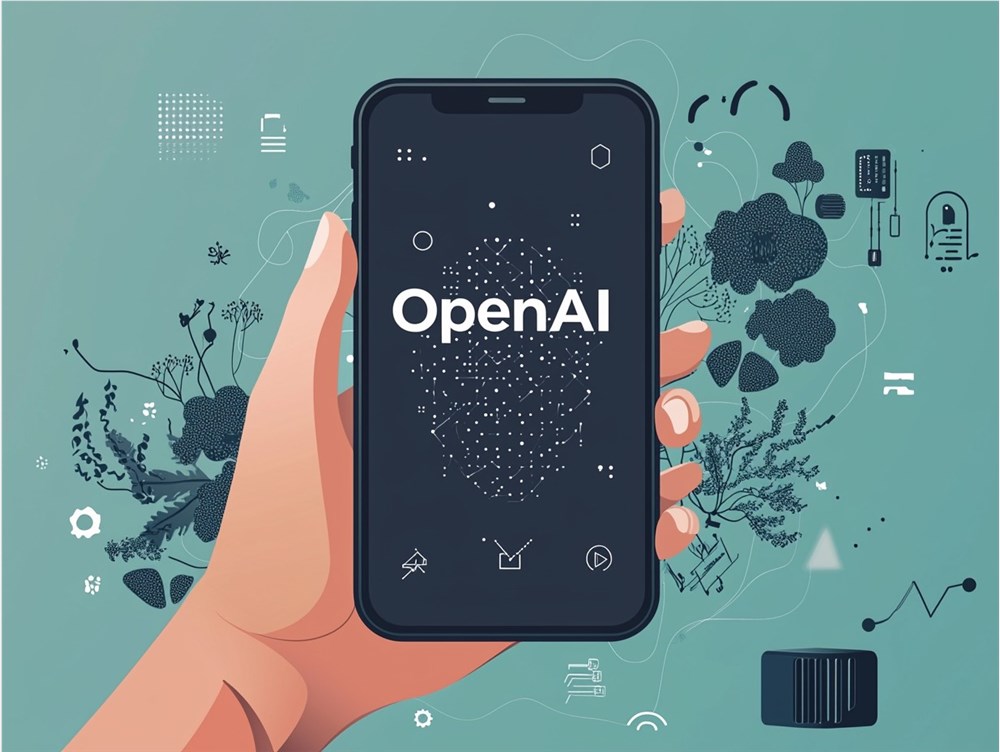
Baidu Introduces AI Study Companion to Transform Phones into Learning Tools

Baidu's New AI Learning Companion Aims to Democratize Education

Chinese tech giant Baidu has unveiled an innovative "AI Learning Companion" feature in its search platform, designed to convert ordinary smartphones into comprehensive learning devices. This free service represents a significant step toward educational equity by making quality learning resources accessible through mobile technology.

How the AI Learning Companion Works

Users can activate the feature by searching for "AI Learning Companion" or "AI Accurate Practice" on Baidu's mobile platform. Once enabled, the phone transforms into a dedicated learning device with multiple educational functions:

  • Curriculum-aligned content: Video explanations matching China's mainstream textbooks
  • Exam preparation: Extensive question banks with regional simulation tests
  • Multi-subject support: Coverage of all primary and secondary school subjects

The system employs artificial intelligence to personalize learning experiences while maintaining strict parental controls over usage.

Core Features Breakdown

1. AI Accurate Practice

The flagship component combines three critical functions:

  1. Automated homework correction
  2. Learning progress analytics
  3. Targeted practice exercises

The system creates a feedback loop of "identify mistakes → pinpoint weaknesses → improve performance," available across all grade levels without subscription fees.

2. AI Oral Assistant

This module provides intelligent pronunciation coaching and speaking practice, particularly valuable for language acquisition.

3. AI Essay Evaluator

Students receive detailed writing feedback with suggestions for improvement on composition assignments.

Parental Oversight Capabilities

The platform includes comprehensive parental controls:

  • Real-time progress monitoring
  • Usage time management
  • Learning activity reports These features address concerns about screen time while ensuring productive device usage.

Educational Impact

By converting ubiquitous smartphones into learning tools, Baidu aims to:

  • Reduce educational resource disparities between regions
  • Provide affordable supplemental learning materials
  • Support China's digital education initiatives The company reports the service already contains millions of practice questions and thousands of instructional videos.

Key Points:

  • Free AI-powered learning conversion for smartphones
  • Comprehensive K-12 curriculum coverage
  • Three core AI components: practice, oral, and writing tools
  • Built-in parental monitoring system
  • Part of broader digital education accessibility efforts
Enjoyed this article?

Subscribe to our newsletter for the latest AI news, product reviews, and project recommendations delivered to your inbox weekly.

Weekly digestFree foreverUnsubscribe anytime

Related Articles

Robotics Firm Zhiyuan Spins Off Dexterous Hand Unit Into New Venture
News

Robotics Firm Zhiyuan Spins Off Dexterous Hand Unit Into New Venture

Zhiyuan Robotics has carved out its dexterous hand division into a standalone company called Threshold, led by former Tencent Robotics X Lab expert Xiong Kun. The move signals Zhiyuan's push toward specialization as it restructures into three business units. With shipments surpassing 5,100 units last year and revenue projected to cross 1 billion yuan in 2025, the company appears poised for significant growth.

January 15, 2026
RoboticsCorporateSpinOffTechCommercialization
OpenAI's Secret 'Agora' Project Sparks Speculation About Its Next Big Move
News

OpenAI's Secret 'Agora' Project Sparks Speculation About Its Next Big Move

OpenAI appears to be developing a mysterious new project codenamed 'Agora,' discovered hidden in the company's latest code. The Greek-inspired name hints at potential social features, cross-platform capabilities, or even integration with rumored AI hardware. While details remain scarce, clues suggest this could represent OpenAI's next major evolution beyond ChatGPT.

January 15, 2026
OpenAIArtificialIntelligenceTechRumors
China's Baichuan-M3 Medical AI Outperforms GPT-5.2 in Clinical Trials
News

China's Baichuan-M3 Medical AI Outperforms GPT-5.2 in Clinical Trials

Chinese tech firm Baichuan Intelligence has unveiled its groundbreaking medical AI model, Baichuan-M3, which reportedly surpasses OpenAI's GPT-5.2 in diagnostic accuracy. With 235 billion parameters and an exceptionally low hallucination rate, this specialized model integrates vast medical knowledge to assist in patient care. Currently available on the BaiXiaoYing platform, it promises to transform primary healthcare while supporting medical professionals.

January 14, 2026
MedicalAIArtificialIntelligenceHealthcareTech
Meta's Power Play: Zuckerberg Bets Big on Energy Infrastructure for AI Dominance
News

Meta's Power Play: Zuckerberg Bets Big on Energy Infrastructure for AI Dominance

Meta CEO Mark Zuckerberg is making an audacious move to secure the company's AI future - by building its own power grid. The 'Meta Compute' initiative plans to construct gigawatt-scale energy facilities, aiming to control what Zuckerberg sees as AI's most critical resource. With projections showing US AI power demands skyrocketing tenfold, Meta is assembling a dream team to turn electricity into its ultimate competitive advantage.

January 13, 2026
MetaArtificialIntelligenceEnergyInfrastructure
Robotics Startup ZiLiangJi Lands $140M Boost From Tech Heavyweights
News

Robotics Startup ZiLiangJi Lands $140M Boost From Tech Heavyweights

Chinese robotics innovator ZiLiangJi has secured a massive 1 billion yuan ($140M) funding round backed by ByteDance and Sequoia China. The investment signals strong confidence in the company's general-purpose robotics technology, which shows promise across industrial, logistics and elderly care applications. Founder Wang Qian reveals plans to accelerate global deployment of their intelligent systems.

January 12, 2026
RoboticsTechInvestmentArtificialIntelligence
News

China Takes Lead in Open AI Development, Stanford Study Reveals

A groundbreaking Stanford analysis shows China has overtaken the U.S. in open-weight AI development, with Alibaba's Qwen models leading global downloads. While Chinese tech giants and startups drive innovation, security concerns linger as these models gain international adoption.

January 12, 2026
ArtificialIntelligenceChinaTechOpenSourceAI