Apple's iPhone 17 Launch: AI Absence Raises Questions
Apple's iPhone 17 Series Launches with Notable AI Gaps
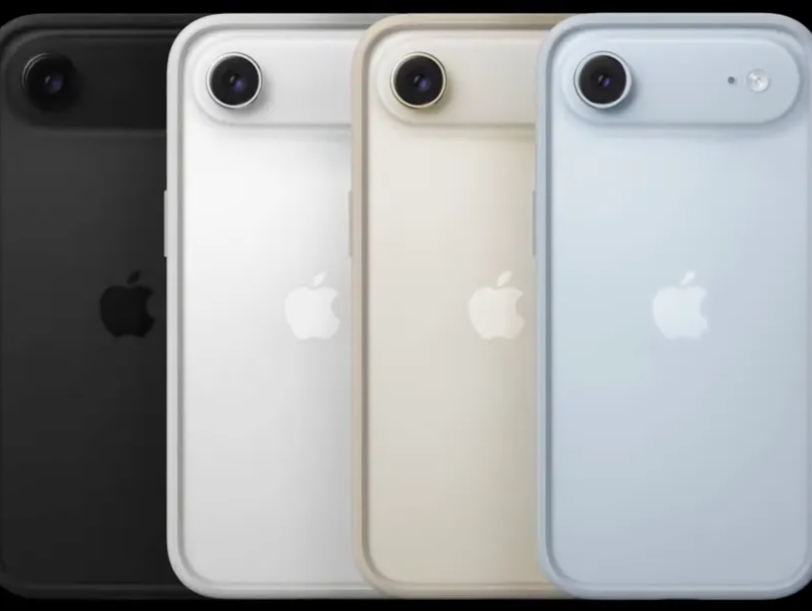
At its highly anticipated product event this week, Apple introduced the iPhone 17 lineup, featuring four models: the standard iPhone 17, 17 Pro, 17 Pro Max, and a new ultra-thin iPhone Air. The latter continues Apple's tradition of lightweight 'Air' products but raises questions about the company's direction in today's AI-driven market.
Hardware Focus Over AI Innovation
The new iPhone Air measures just 6.9mm thick, making it Apple's thinnest smartphone to date. This design emphasis follows the company's successful MacBook Air and iPad Air formulas - prioritizing portability and accessibility. However, industry analysts note that in an era where artificial intelligence capabilities increasingly drive consumer decisions, Apple's hardware-first approach may need reevaluation.
Limited AI Announcements
During the two-hour presentation, Apple dedicated minimal time to discussing AI features. The company primarily reiterated June's WWDC announcements about Visual Intelligence and on-device AI models. Camera upgrades received some AI-focused attention, including improvements to the Center Stage feature in the front-facing camera.
The most significant AI-related reveal wasn't for iPhones at all - but rather a new real-time translation function coming to AirPods 3. Notably absent was any mention of Siri improvements or Apple's much-anticipated enhanced voice assistant, now reportedly delayed until 2026.
Industry Comparisons Highlight Gap
This restrained approach contrasts sharply with competitors like Google, which recently launched its Pixel 10 with comprehensive AI integration. Currently, Apple offers only basic AI tools:
- AI writing assistance
- Text summarization
- Generative image creation (with reported quality issues)
- Visual search capabilities
- Genmoji creation tools
Strategic Partnerships May Offer Solution
Recent reports suggest Apple is exploring third-party collaborations to accelerate its AI development. The company might integrate technologies like Google's Gemini into future iOS updates rather than developing all solutions in-house.
This potential strategy could benefit both Apple and consumers:
- Users gain access to proven AI technologies without waiting for Apple's development
- The company avoids massive infrastructure investments in AI research
- Integration could be more seamless than standalone AI apps
- Flexibility to adapt as AI technologies evolve rapidly
Key Points:
- New iPhone Air model continues thin-design tradition but lacks standout AI features
- Limited AI announcements focused mostly on previously revealed capabilities
- Siri enhancements notably absent, with delays until at least 2026
- Potential third-party partnerships could help close the gap with competitors
- Strategy may allow Apple to focus on hardware strengths while leveraging others' AI advances