Anthropic's Claude Buddy: A Playful AI Companion Born in Shenzhen
Meet Claude Buddy: The AI Pet That Wants Your Approval
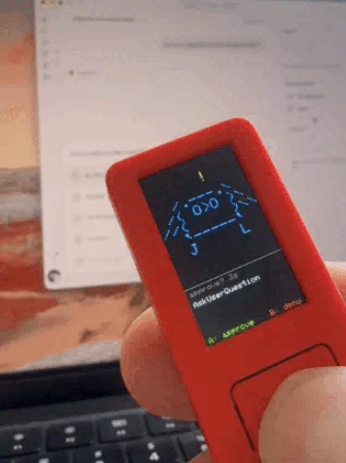
Picture this: you're deep in your coding flow when suddenly your desk companion starts blinking urgently. No, it's not your phone - it's Claude Buddy, Anthropic's clever solution to the constant context-switching that plagues developers.
Created by core engineer Felix Rieseberg, this open-source device gives physical form to Anthropic's Claude Code assistant. The ESP32-powered gadget sits quietly on your desk until needed, then springs to life with LED alerts when the AI requires human approval for sensitive operations.
More Than Just a Button
Claude Buddy elevates the mundane 'approve/deny' process into something resembling a tamagotchi for programmers. Its 18 ASCII-art animal personas display different animations depending on the situation - sleeping when idle, celebrating after successful code runs, or even showing hearts for particularly quick approvals.
The magic lies in its dual-layer design:
- Bones: Fixed attributes determined by hash seeds
- Soul: Unique personalities and names generated by AI
This clever architecture represents Anthropic's first foray into blending digital intelligence with physical interaction through lightweight APIs.
Shenzhen: The Unsung Hero of AI Hardware
Here's the twist that surprised many in Silicon Valley - the M5StickC Plus hardware at Claude Buddy's core comes from Shenzhen-based startup M5Stack. This revelation highlights China's southern tech hub as the global powerhouse behind countless innovative IoT and AI devices.
The project showcases how:
- Open-source communities bridge continents
- Simple hardware can create meaningful AI interactions
- Physical devices make abstract technology more approachable
Key Points:
- Interactive coding: Claude Buddy turns approvals into engaging interactions
- Emotional design: 18 animal personas add personality to development workflows
- Global collaboration: Silicon Valley software meets Shenzhen hardware excellence
- Future potential: Signals new directions for tangible AI interfaces