Amazon Secures Court Order Against AI Startup's Shopping Bots

Amazon Wins Legal Battle Against AI Shopping Bots

In a landmark decision that could reshape how artificial intelligence interacts with e-commerce platforms, a federal court has granted Amazon's request to block an AI startup from automated shopping on its site.

The Court's Ruling

On March 10, 2026, U.S. District Judge Maxine Chesney issued an injunction against PerplexityAI, prohibiting its Comet browser proxy from conducting purchases on Amazon. The decision comes after months of legal wrangling that began when Amazon filed suit last November.

Image

"Amazon presented compelling evidence that Perplexity accessed password-protected accounts without proper authorization," Judge Chesney wrote in her 15-page opinion. The company now has seven days to appeal the decision while being required to purge all Amazon customer data it collected.

Why This Case Matters

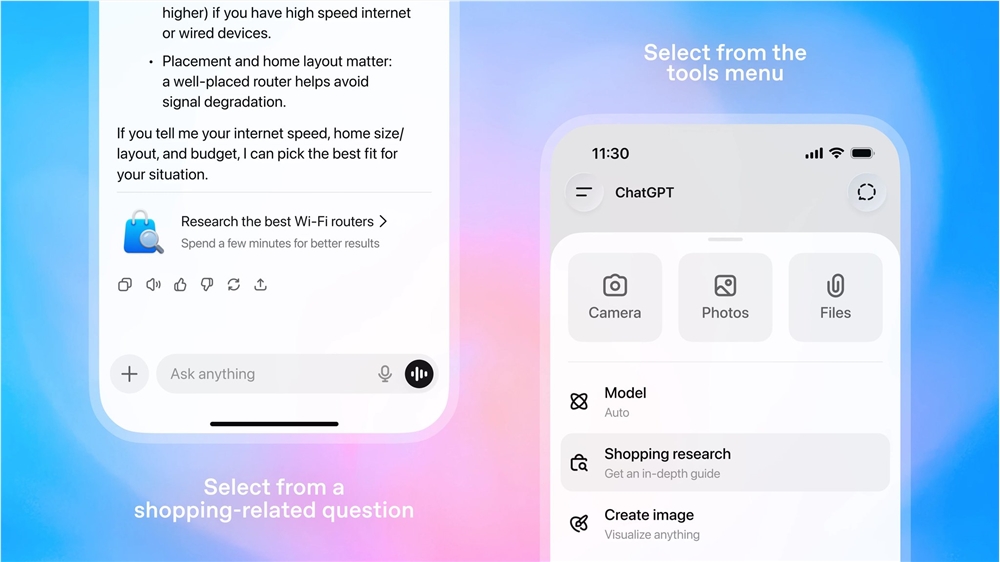
This isn't just another corporate spat - it represents one of the first major legal tests for AI agents performing commercial transactions. While OpenAI and others explore similar shopping capabilities, this ruling establishes important boundaries.

Legal experts suggest the decision could have ripple effects across the tech industry. "We're seeing the first real judicial guidance on what constitutes acceptable AI behavior in e-commerce," said technology attorney Miriam Chen of Stanford Law School. "Platforms clearly want to maintain control over how automation interacts with their systems."

The timing is particularly interesting given Amazon's recent investment in OpenAI - a move some analysts see as an attempt to influence the development of shopping-related AI tools rather than simply block them.

What Happens Next?

Perplexity now faces tough choices: comply with the order, mount a costly appeal, or pivot its technology toward less controversial applications. Meanwhile, other AI companies working on automated shopping features will likely review their approaches in light of this decision.

The case also raises broader questions about transparency in AI interactions. Amazon's complaint centered on Perplexity allegedly failing to disclose its automated nature when making purchases - an issue that could become central to future regulations.

Key Points:

  • Court order blocks PerplexityAI's shopping bots from Amazon
  • Data deletion required for improperly collected information
  • 7-day window for potential appeal remains open
  • Precedent setting case for AI in e-commerce transactions
  • Timing notable given Amazon's OpenAI investment

Enjoyed this article?

Subscribe to our newsletter for the latest AI news, product reviews, and project recommendations delivered to your inbox weekly.

Weekly digestFree foreverUnsubscribe anytime

Related Articles

OpenAI Faces $1B Fine Over Alleged Pirated Book Use
News

OpenAI Faces $1B Fine Over Alleged Pirated Book Use

OpenAI may be fined up to $1 billion for allegedly training its AI models on pirated books, according to legal filings. Plaintiffs claim internal communications reveal intentional data misuse, mirroring a recent $1.5B settlement by Anthropic.

October 13, 2025
OpenAIcopyrightAI-regulation
ChatGPT Now Shops Smarter: Finds Deals, Spots Fakes Instantly
News

ChatGPT Now Shops Smarter: Finds Deals, Spots Fakes Instantly

OpenAI's ChatGPT rolls out a game-changing shopping assistant that scours the web in real-time, comparing prices across platforms while filtering out fake reviews. The tool generates concise reports highlighting best-value products, honest pros/cons, and personalized recommendations - all ad-free. Early users report saving both time and money, with one shopper cutting laptop research from days to minutes while saving 800 yuan.

November 25, 2025
ChatGPTAIshoppingconsumertech
WeChat to Label AI-Generated Content for Transparency
News

WeChat to Label AI-Generated Content for Transparency

WeChat announced it will implement explicit and implicit identification marks for AI-generated content starting September 1, 2025. The move aims to enhance transparency, protect users' right to know, and curb misinformation. Users must declare AI-generated posts, and the platform will optimize recognition capabilities to help users distinguish synthetic content.

August 31, 2025
WeChatAI-regulationcontent-moderation
Voost: Virtual Try-On Breakthrough with Fabric Realism
News

Voost: Virtual Try-On Breakthrough with Fabric Realism

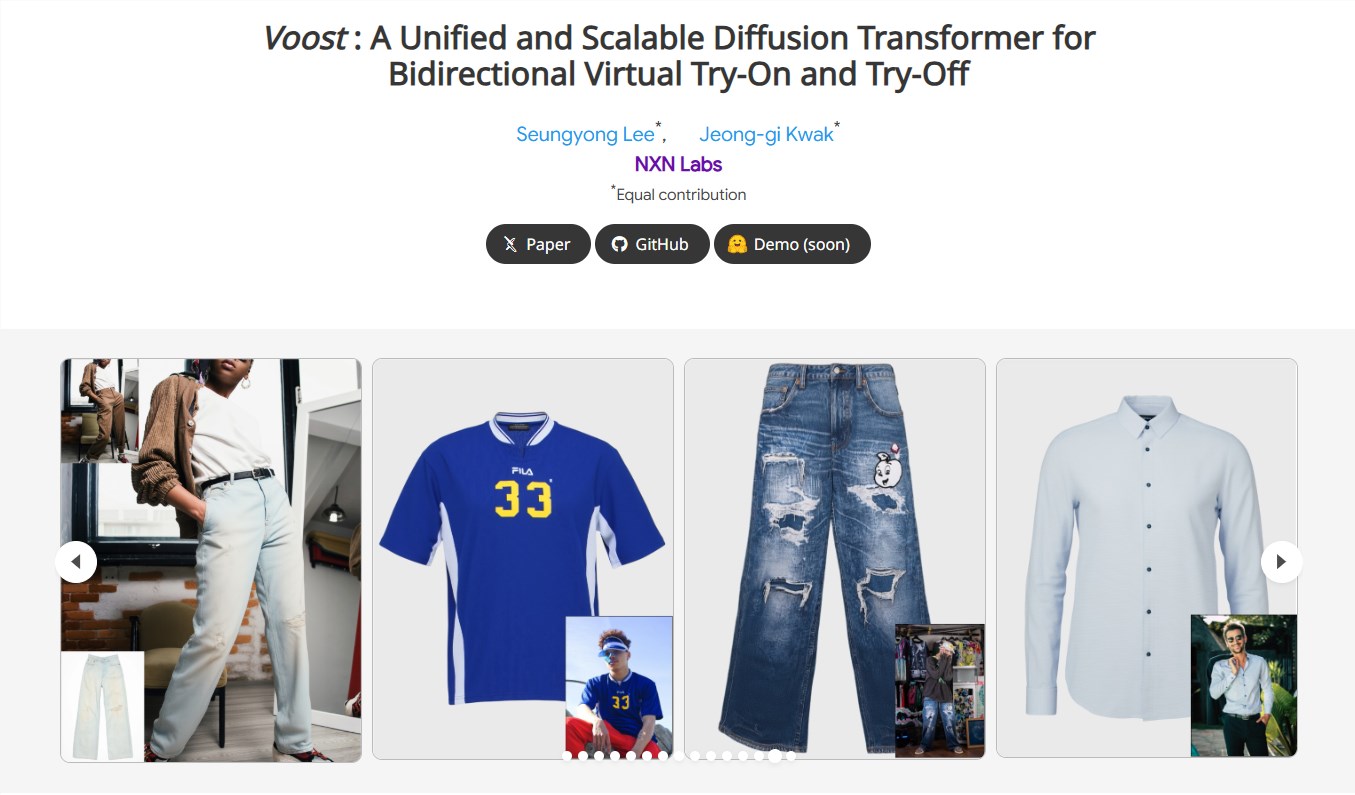
Researchers have developed Voost, a novel framework using a diffusion transformer to enhance virtual try-on technology. It accurately models clothing-body interactions without task-specific networks, achieving superior realism and flexibility. The system introduces innovative inference techniques for stability across varying inputs, outperforming existing benchmarks in alignment accuracy and visual quality.

August 11, 2025
virtual-try-oncomputer-visionfashion-tech
Alibaba Open-Sources Mnn3dAvatar for Real-Time 3D Face Capture
News

Alibaba Open-Sources Mnn3dAvatar for Real-Time 3D Face Capture

Alibaba has open-sourced Mnn3dAvatar, a 3D digital human framework enabling real-time facial capture and animation for virtual characters. The lightweight tool targets live commerce, virtual displays, and entertainment applications while supporting multi-platform deployment.

June 12, 2025
AIcomputer-visionopen-source
Google Unveils AI-Powered Shopping Tools with Virtual Try-Ons
News

Google Unveils AI-Powered Shopping Tools with Virtual Try-Ons

Google has launched new AI shopping features, including virtual try-ons and automated checkout, revolutionizing online retail with personalized experiences powered by Gemini technology.

May 30, 2025
AI shoppingGoogle I/Oretail technology