AI Won't Kill Your iPhone—It'll Make It More Essential Than Ever
Why Your iPhone Is Becoming AI's Most Important Partner
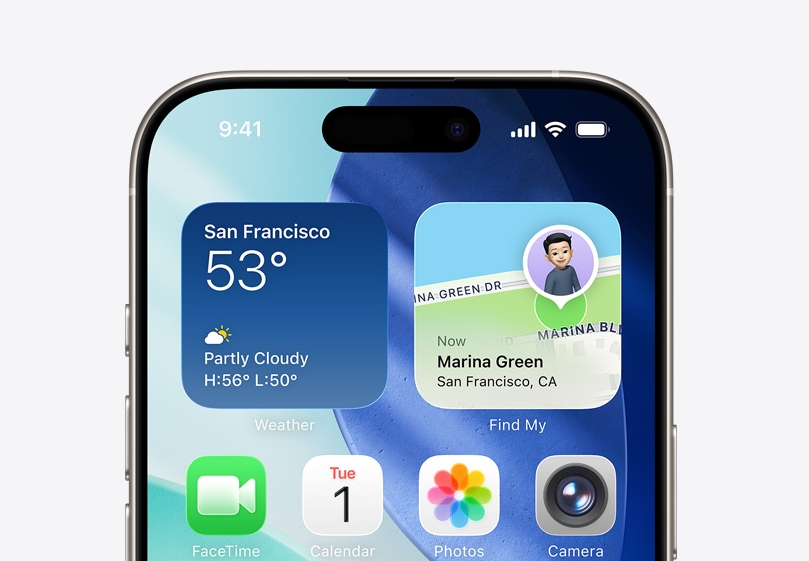
In an industry obsessed with disruption, Perplexity CEO Aravind Srinivas offers a counterintuitive take: artificial intelligence won't make your smartphone obsolete—it'll make it indispensable. Speaking recently, Srinivas described the iPhone as evolving into a "digital passport" that authenticates and personalizes our AI interactions.
The Context Revolution
Today's AI systems are increasingly hungry for context. "Think about how you interact with ChatGPT now versus a year ago," Srinivas suggests. "The difference isn't just in the answers—it's in how much the system needs to know about you to deliver real value."
This shift turns devices packed with personal data—payment histories, health metrics, communication patterns—into goldmines. Your iPhone isn't just a phone anymore; it's becoming the foundation for personalized AI experiences.
Apple's Hidden Advantage
While critics often focus on Apple's perceived lag in cloud-based AI, Srinivas highlights their underrated strength: Apple Silicon. "Everyone talks about data centers," he notes, "but the real battle is moving to edge computing." Apple's custom chips give iPhones serious local processing power—exactly what next-gen AI needs.
This approach aligns perfectly with Apple's privacy philosophy. By keeping sensitive data on-device rather than shipping it to distant servers, they minimize security risks while enabling faster responses. It's a win-win that could redefine how we think about AI infrastructure.
Siri's Second Act?
Yes, Siri has become tech's favorite punching bag. But Srinivas sees potential in Apple's integrated ecosystem: "When your hardware, software, and data all speak the same language, you can create experiences others simply can't replicate."
The rumored 2026 Siri overhaul could leverage this advantage fully. Imagine an assistant that doesn't just answer questions but anticipates needs based on your entire digital footprint—all while keeping that information securely on your device.
The New Rules of Competition
The AI race isn't just about who has the biggest models anymore. As Srinivas puts it: "Parameters matter less than pipelines." Controlling the hardware where AI runs—and the personal data that fuels it—may prove more valuable than pure computing power.
For consumers, this could mean better privacy protections and more responsive AI tools. For Apple? It's a chance to turn their billion-plus device ecosystem into the most powerful AI platform overnight.
Key Points:
- AI needs context: Personalized results require deep knowledge of users' lives
- Hardware matters: Local processing power enables new types of private, responsive AI
- Privacy pays: Apple's on-device approach aligns with growing data security concerns
- Ecosystem advantage: Tight integration gives Apple unique opportunities in personalized AI