AI Patent Assistant Cuts Paperwork From Hours to Minutes
AI Levels the Patent Playing Field
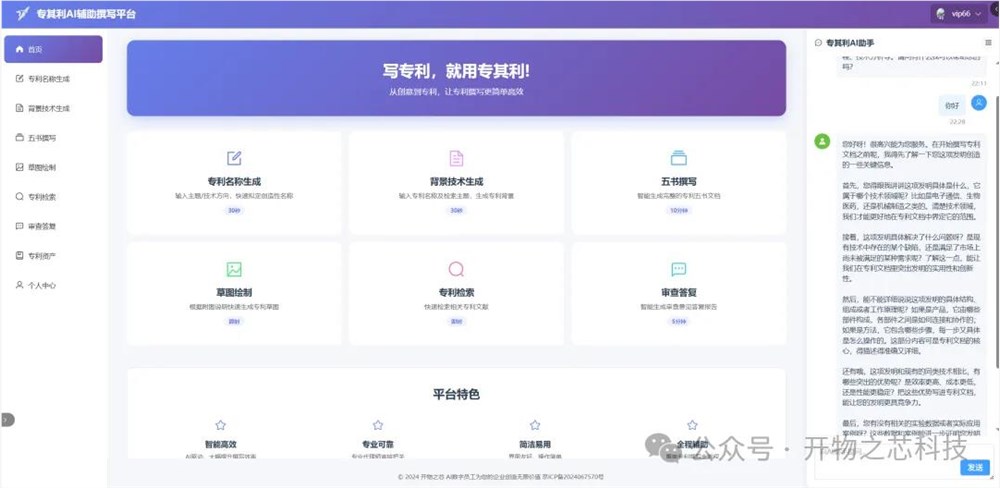
Picture a researcher finally solving a technical puzzle at 2 AM. Instead of waiting weeks to file paperwork, they secure patent protection before breakfast. That's the promise of Zhuanqili, a new AI platform transforming how innovations become protected intellectual property.
The Patent Problem
For years, securing patents meant navigating a maze of legal jargon, technical specifications, and bureaucratic hurdles. "We've seen brilliant ideas languish because inventors couldn't afford lawyers or didn't have months to spare," explains the KAIWU team behind Zhuanqili.
The traditional process presents four major roadblocks:
- Expertise Gap: Writing claims requires both technical and legal fluency
- Time Drain: Manual drafting consumes weeks of productive research time
- Cost Barrier: Professional services often price out individual inventors
- Quality Roulette: Results vary wildly depending on which agent you get
Smarter Than Your Average AI
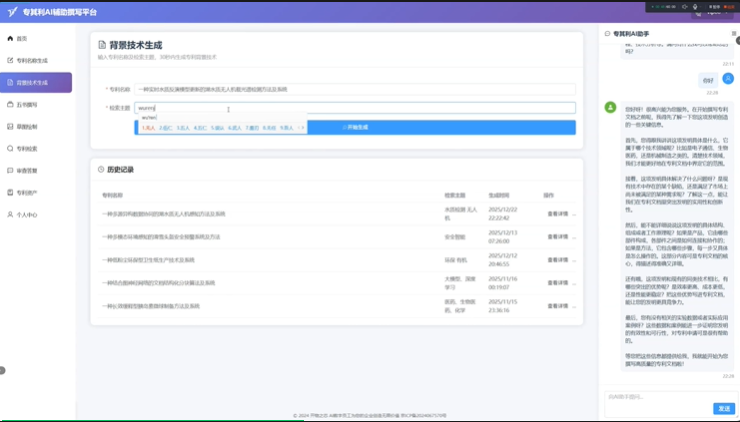
Unlike generic writing assistants, Zhuanqili was built specifically for patents from the ground up. "Most AI tools produce passable blog posts but fail spectacularly with patent claims," notes the development team. Their solution? A system that understands both the language of innovation and the law.
The platform combines:
- A specialized knowledge base trained on thousands of successful patents
- Real-time collaboration features letting users refine outputs naturally
- End-to-end support from initial concept through final submission
From Months to Minutes
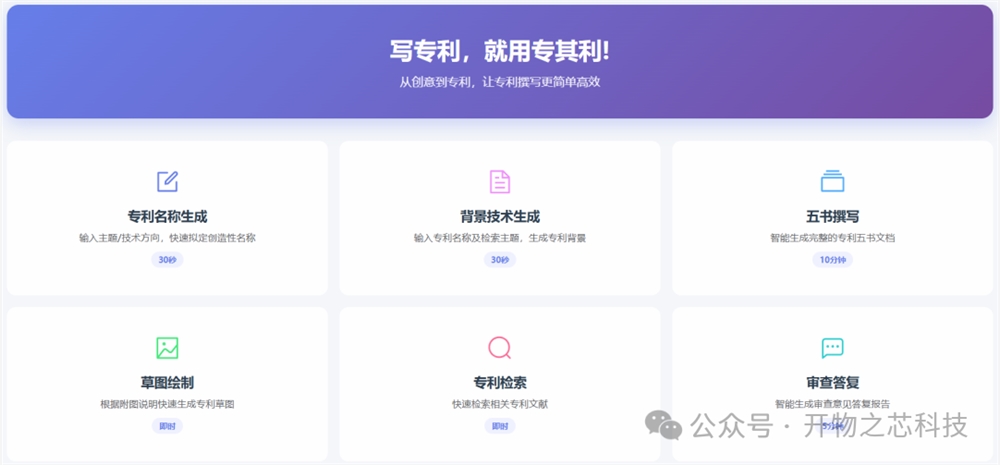
The numbers tell a compelling story:
| Task | Traditional Time | With Zhuanqili |
|---|
The system doesn't just speed up paperwork—it democratizes access. University labs can protect discoveries faster. Bootstrapped startups avoid crippling legal fees. Even seasoned patent attorneys report using it to handle routine filings while focusing their expertise on complex cases.
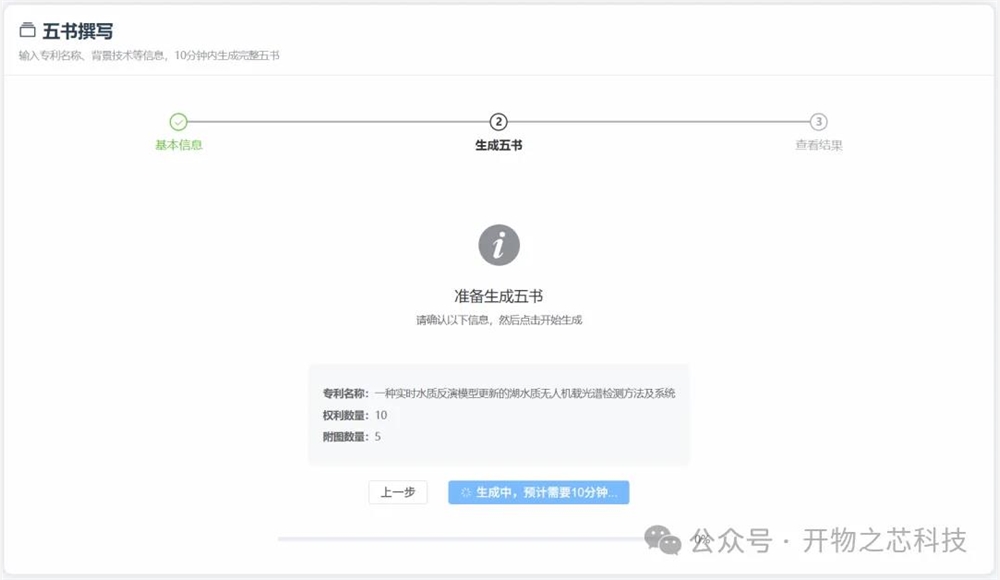
How It Works In Practice
The magic happens through conversational AI:
- Users describe their invention in plain language
- The system suggests optimized terminology and structure
- Real-time edits refine claims before generation
- Final documents meet all legal formatting requirements "It feels less like using software and more like brainstorming with a very fast, very precise patent attorney," remarks an early adopter from Tsinghua University.
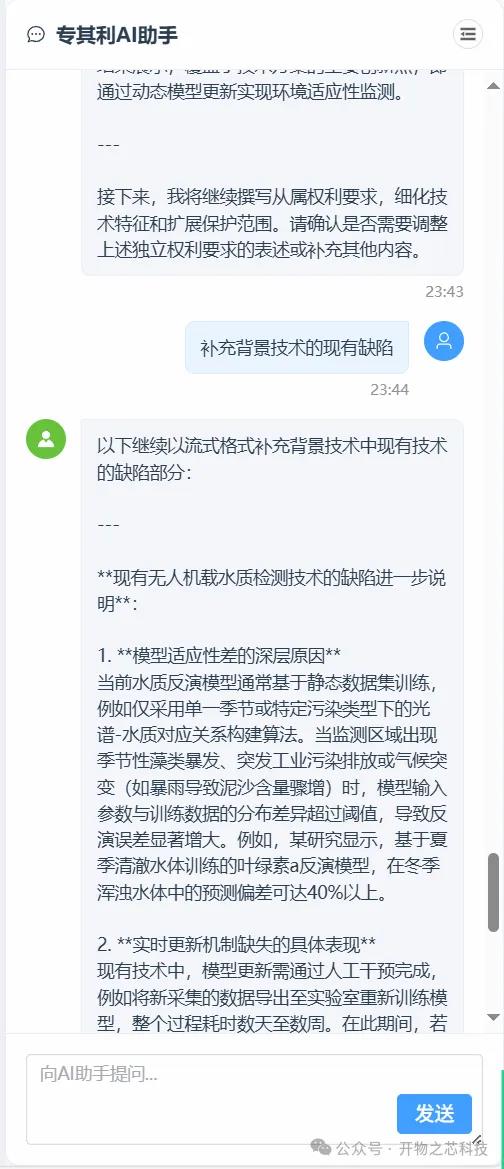
The platform currently serves academic institutions and tech incubators across China, with plans for international expansion underway."
Key Points
- Specialized AI reduces patent paperwork from months to minutes
- System understands both technical concepts and legal requirements
- Real-time collaboration features allow natural refinement
- Currently deployed across Chinese universities and startups