Zara's AI Models Spark Fashion Industry Debate
Zara Embraces AI Models Amid Industry Concerns
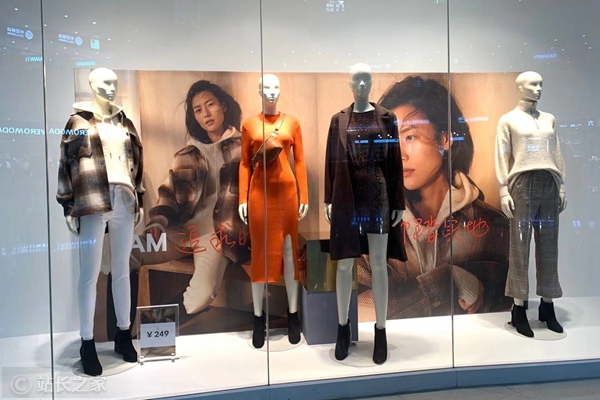
Spanish fashion powerhouse Zara has quietly begun transforming its photography process through artificial intelligence, creating waves across the fashion industry. Instead of traditional photoshoots with full crews, the retailer now digitally dresses models in new collections using existing photos.
How It Works
The innovative approach works like this: With model consent, Zara takes their existing photographs and uses AI technology to "try on" new garments virtually. The system can place these digitally enhanced images in completely fabricated backgrounds - no physical sets required.
"It's incredibly efficient," notes one industry insider who spoke anonymously. "What used to take days of shooting now happens overnight with algorithms."
The Human Cost
While models reportedly receive their standard photoshoot fees, other creative professionals aren't so fortunate. Photographers, makeup artists, stylists and lighting technicians find themselves excluded from this streamlined process entirely.
Two London-based models confirmed to City AM that their compensation remains unchanged. However, they expressed mixed feelings about the technology potentially displacing longtime collaborators.
"It feels strange knowing my face is being used without all the people who normally help create those images," shared one model who requested anonymity.
Company Response
Zara maintains that AI serves as "a complement to traditional photography," not a replacement. Yet industry watchers note the timing coincides with significant sales pressure - UK revenues hit a six-month low last November.
The company isn't alone in exploring this frontier. Competitors H&M and Zalando announced similar initiatives earlier this year, suggesting digital model "twins" may become an industry standard.
Broader Implications
The move raises profound questions about creativity versus efficiency in fashion:
- Can digital artistry replace human creative collaboration?
- What protections exist for displaced professionals?
- Will consumers notice or care about fully synthetic imagery?
As retailers balance artistic integrity with financial realities, Zara's experiment may preview broader industry transformation.
Key Points:
- AI Efficiency: Digital processes eliminate physical photoshoot costs and time
- Mixed Impact: Models paid normally while supporting roles face elimination
- Industry Trend: Multiple major brands adopting similar technologies
- Creative Questions: Technology challenges traditional fashion photography norms