AI-Generated Hits Dominate Music Charts, Sparking Industry Debate
AI Music Makes Chart History
This week marked a turning point in music history as three artificial intelligence-generated songs topped major streaming charts. Breaking Rust's tracks "Walk My Walk" and "Livin' on Borrowed Time" claimed the top spots on Spotify's US Viral 50 chart, while a controversial Dutch anti-immigration song briefly dominated global rankings before mysteriously disappearing.

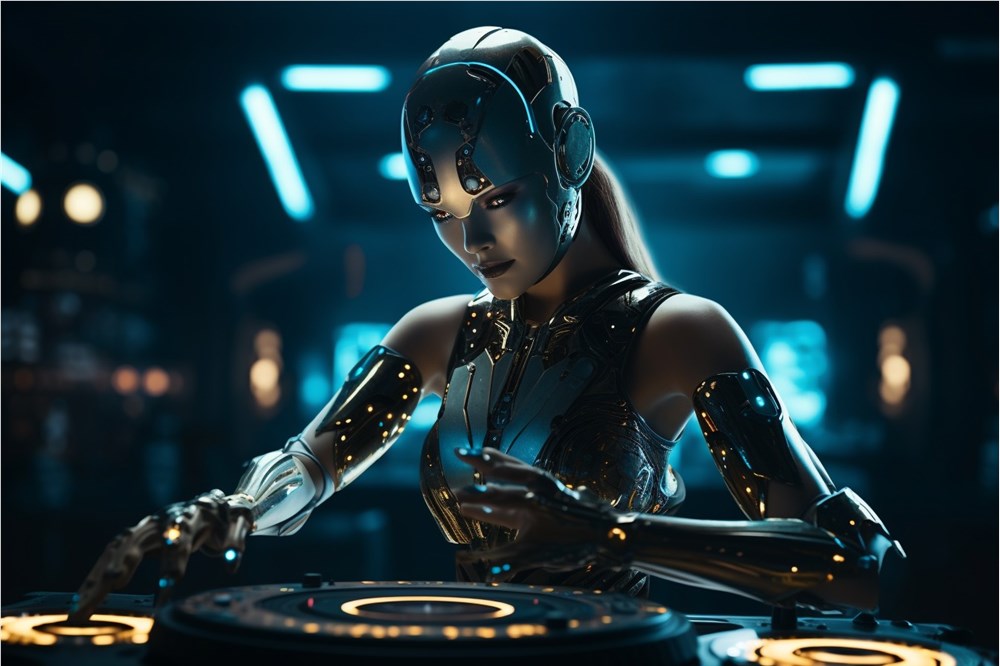
Image source note: The image was generated by AI, and the image licensing service provider is Midjourney
The Rise of Machine-Made Music
The lyrics "If you don't like the way I speak, you can go your own way" from "Walk My Walk" take on new meaning as AI music challenges traditional notions of artistry. Meanwhile, the sudden removal of the Dutch track sparked confusion, with creator Broken Veteran expressing hope for its quick return.
New data from Deezer reveals staggering growth in AI music production - an estimated 50,000 machine-generated tracks flood the platform daily, making up over a third of all submissions. This isn't entirely new territory; earlier this summer, Velvet Sundown proved AI could attract audiences when their creations surpassed one million streams.
Why AI Music Spreads So Fast
The secret to AI music's rapid success lies partly in distribution services like DistroKid that make uploading effortless. With major platforms maintaining relatively open policies toward computer-generated content, bedroom producers can now compete with professional studios overnight.
Perhaps most striking? In blind tests with 9,000 participants, 97% couldn't reliably tell AI compositions apart from human creations. As one industry insider noted: "The gap between human and machine creativity is narrowing faster than anyone predicted."
Key Points:
- Chart domination: Three AI songs recently topped Spotify and Billboard rankings
- Production boom: Deezer sees 50,000 daily AI uploads (34% of total submissions)
- Listener confusion: Nearly all test subjects couldn't distinguish AI from human music