AI Boom Strains Hardware Supply Chain: Prices Soar as Tech Evolves
AI Computing Power Sparks Hardware Revolution
The artificial intelligence revolution isn't just transforming software - it's reshaping the entire technology supply chain beneath it. Recent industry reports reveal how surging demand for AI processing power has created ripple effects across multiple hardware sectors.
Packaging and Memory Markets Feel the Heat
Advanced chip packaging services have become ground zero for pricing pressures. Major packaging factories have raised prices significantly, squeezed between booming demand for AI processors and rising material costs.
The memory market appears poised for explosive growth too. Analysts project global memory industry revenues could more than double by 2026, potentially exceeding $550 billion as AI systems consume ever-larger amounts of high-speed storage.
China's Domestic Tech Gains Ground
While global markets adjust, Chinese semiconductor companies are making notable progress:
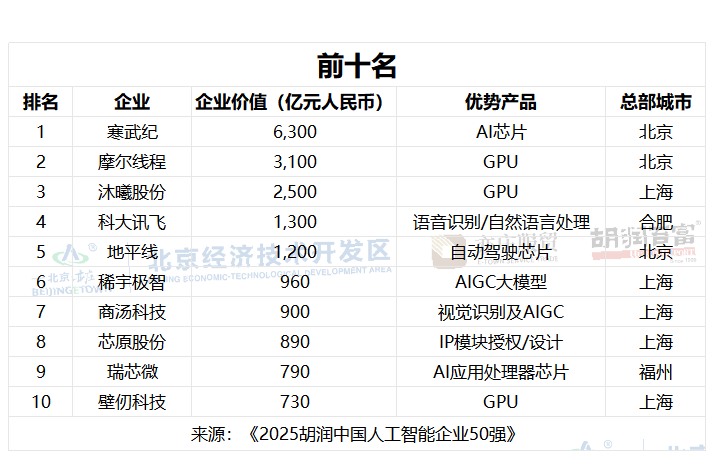
- Computing Chips: Firms like Cambricon and Moer Thread are closing the performance gap with international leaders in high-performance processors.
- Memory Breakthroughs: Yangtze Memory Technologies has achieved significant advances in both packaging techniques and storage architectures.
- Policy Shifts: Recent easing of some U.S. chip export restrictions could provide additional momentum to China's server market.
"We're seeing Chinese companies innovate faster than many expected," notes tech analyst Li Wei. "Their solutions may not lead globally yet, but they're becoming credible alternatives."
The Next Frontier: AI in Your Pocket (and Ears)
The battleground for AI dominance is shifting from cloud data centers to consumer devices. Industry watchers highlight two emerging trends:
- Edge Computing Takes Off: Smart glasses, AI earbuds and other wearable tech represent new interfaces - and new markets - for artificial intelligence.
- Supply Chain Effects: This shift creates fresh demand for supporting components like specialized CPUs and connectivity chips.
"Think about how smartphones changed everything," suggests product designer Maria Chen. "We're at a similar inflection point with AI hardware - the devices we'll be using five years from now might not even exist today."
Key Points:
- Chip packaging prices rising due to AI demand squeeze
- Global memory market could grow 134% by 2026
- Chinese semiconductor firms making technical strides
- Consumer devices becoming new AI battleground
- Experts caution about potential supply chain volatility