AI Adoption Divide: China's Embrace vs. America's Caution
The Great AI Divide: How China and America Approach Artificial Intelligence
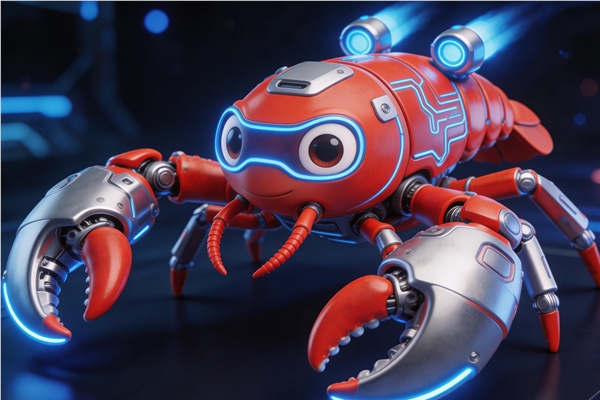
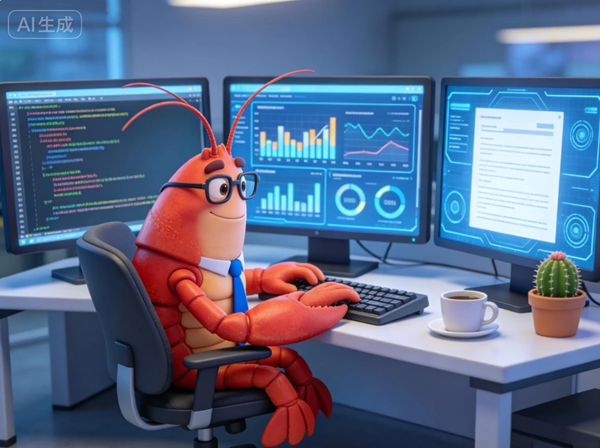
In a revealing interview with Bloomberg, OpenClaw founder Peter Steinberger (affectionately known as "Lobster" in tech circles) painted a striking picture of how differently China and America are embracing AI technology. What emerges is a tale of two approaches - one racing ahead, the other hitting the brakes.
Workplace Revolution or Job Threat?
The contrast couldn't be more dramatic. In China, Steinberger observed something remarkable - from college students to senior citizens, people are enthusiastically testing OpenClaw's capabilities. Many companies have made AI proficiency mandatory, going so far as to consider non-users as candidates for layoffs. "It's become a survival skill," Steinberger noted.
Meanwhile across the Pacific, some U.S. companies are moving in the opposite direction. Concerns about data security and loss of control have led to outright bans on certain AI tools. The irony? You might get fired in America for using OpenClaw, while in China you could lose your job for not using it.
Learning from China's AI Laboratory
Steinberger sees China's widespread adoption as an unexpected advantage. "The country has essentially become a massive testing ground," he explained. This real-world experimentation is providing invaluable data about how people actually use AI systems - warts and all.
The OpenClaw founder offered some advice to cautious American firms: "You can't understand AI's potential or its pitfalls just by reading reports. People need to interact with these systems regularly to grasp what they can really do - and where they might fail."
The Future of Personal AI Assistants
Now leading OpenAI's Codex team, Steinberger shared his vision for the next phase of artificial intelligence. He predicts we're moving beyond specialized tools toward truly versatile personal agents that will:
- Work seamlessly across devices and applications
- Maintain strict privacy protections
- Evolve from simple chatbots into sophisticated "digital twins"
The lines between programming-specific tools and general-purpose assistants will blur as these systems gain self-improvement capabilities. Imagine an AI that doesn't just help you write code or schedule meetings, but can genuinely understand and assist with complex real-world tasks.
Key Points:
- Chinese companies are embracing AI as an essential workplace skill
- Some U.S. firms restrict AI use due to security concerns
- Real-world testing is crucial for understanding AI capabilities
- Future personal agents will function more like digital counterparts than simple tools