1Password Introduces Secure Autofill for AI Browsers

1Password Rolls Out Security Solution for AI Browser Tools

As AI-driven browsers and tools gain popularity, password management company 1Password has unveiled a groundbreaking feature to address emerging security vulnerabilities. The new Secure Agentic Autofill system prevents AI agents from directly accessing or storing user credentials during automated browsing sessions.

How It Works

The innovative solution creates an end-to-end encrypted channel between browser extensions and approved devices. When an AI agent requires login credentials:

  1. It sends a request to 1Password
  2. The system identifies matching credentials
  3. Initiates a human verification process (using Touch ID or similar authentication)
  4. Only after approval are credentials injected directly into the browser

Image

Addressing Automation Risks

Traditional password managers weren't designed with AI proxies in mind. Current systems potentially expose credentials when:

  • AI agents automatically browse websites
  • Book services autonomously
  • Generate content requiring logins

The Secure Agentic Autofill feature specifically counters these risks by ensuring:

  • No credential visibility to AI systems
  • Human oversight for every login attempt
  • Encrypted transmission of sensitive data

Partnership with Browserbase

The feature will debut through collaboration with Browserbase, a company specializing in browser infrastructure for AI applications. This strategic partnership ensures early access for developers building automated browsing solutions.

The integration targets security gaps in popular AI tools including:

  • Claude
  • Gemini
  • ChatGPT browsing capabilities

Key Points:

  • 🔒 Requires human approval for credential injection
  • 🛡️ Creates encrypted channel bypassing AI systems
  • 🤖 Specifically designed for agentic/AI browser environments
  • 🚀 Available first through Browserbase integration
  • ⏳ Addresses growing security concerns in automated browsing
Enjoyed this article?

Subscribe to our newsletter for the latest AI news, product reviews, and project recommendations delivered to your inbox weekly.

Weekly digestFree foreverUnsubscribe anytime

Related Articles

News

Hackers Exploit Claude Code Leak in Sophisticated GitHub Phishing Scheme

A major security breach has put developers at risk after Anthropic's Claude Code tool accidentally exposed over half a million lines of source code. Cybercriminals have seized the opportunity, creating fake GitHub repositories that distribute malware disguised as 'unlocked' versions of the leaked code. Security experts warn these traps install Vidar trojan malware capable of stealing sensitive data including cryptocurrency wallets. The attackers are using search engine optimization to make their malicious repositories appear legitimate, prompting urgent warnings for developers to stick to official channels.

April 3, 2026
CybersecurityAI DevelopmentPhishing Attacks
Ant Group and Tsinghua Unveil Open-Source Security Shield for AI Agents
News

Ant Group and Tsinghua Unveil Open-Source Security Shield for AI Agents

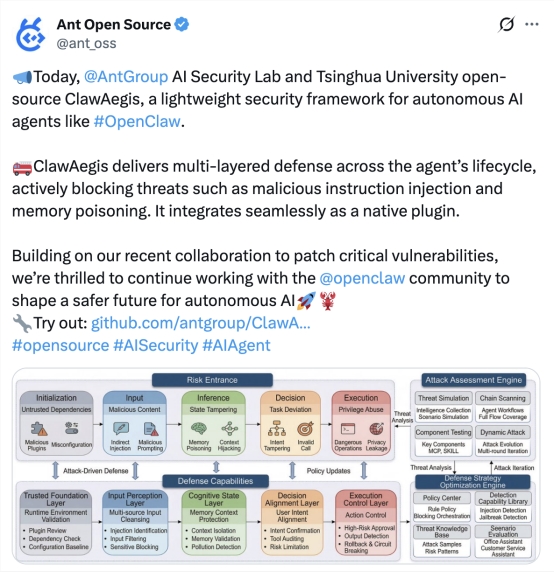
Ant Group's AI Security Lab and Tsinghua University have released ClawAegis, a groundbreaking security plugin for OpenClaw-type AI agents. This lightweight solution tackles risks like skill poisoning and data contamination across an agent's entire lifecycle. The tool offers real-time threat detection while maintaining transparency for end users - a significant step toward safer autonomous systems.

April 2, 2026
AI SecurityOpen SourceAutonomous Agents
News

Maxkb4j v2.6.0 Launches with Enhanced AI Development Tools

The open-source LLMOps platform Maxkb4j has rolled out its latest version, bringing significant upgrades for Java developers working with large language models. Version 2.6.0 introduces new skill tools, improved security features, and architectural refinements that make AI application development more robust and flexible. These enhancements position Maxkb4j as a compelling choice for building private knowledge bases and complex workflows in the Java ecosystem.

April 2, 2026
LLMOpsJava DevelopmentAI Tools
News

Mercor's Open-Source Project Hit by Hackers, Exposing AI Security Risks

AI unicorn Mercor has confirmed a security breach affecting its widely-used LiteLLM open-source project. Hackers injected malicious code into the system, impacting thousands of businesses that rely on the tool. The attack, linked to TeamPCP, comes as ransom group Lapsus$ claims to have stolen internal company data. While Mercor has taken swift action to contain the damage, the incident highlights growing concerns about vulnerabilities in AI infrastructure.

April 1, 2026
AI SecurityCybersecurityOpen-Source Risks
News

Alibaba AI Lab Uncovers Critical Flaws in OpenClaw Framework

Alibaba's AI Security Lab recently conducted an in-depth audit of the open-source autonomous agent framework OpenClaw, uncovering 33 security vulnerabilities. Within days of their report, developers patched eight critical flaws including one severity level 1 vulnerability. This swift response highlights growing industry concerns about AI security as autonomous systems become more prevalent.

March 30, 2026
AI SecurityOpenClawCybersecurity
The Internet's New Normal: AI Now Generates Most Web Traffic
News

The Internet's New Normal: AI Now Generates Most Web Traffic

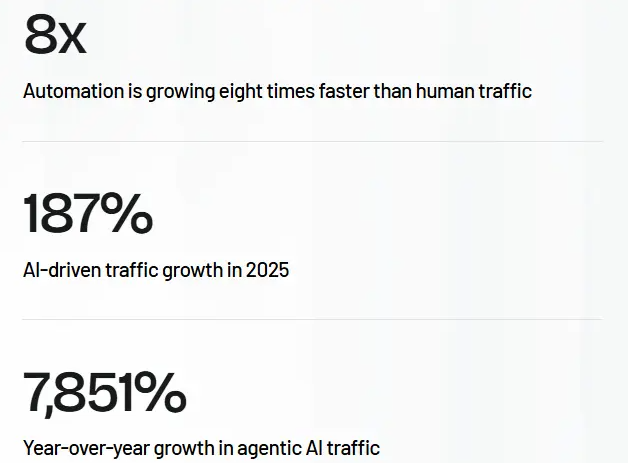
A startling new report reveals AI-generated traffic is growing eight times faster than human activity online. Automated systems now dominate interactions in retail, media, and tourism sectors, while cyber threats surge alongside this robotic takeover. Experts warn we're witnessing the end of the internet's founding assumption - that there's always a human on the other side of the screen.

March 30, 2026
AI trendsCybersecurityDigital transformation