ZTE's Co-Claw AI System Boosts Computing Power Revenue by 150%

ZTE Makes Strategic Leap into AI with Co-Claw System

Chinese tech giant ZTE has taken a significant step in the AI race with its new Co-Claw AI Appliance. The product addresses critical security concerns for businesses adopting open-source AI solutions, offering a fortified local deployment option that's gaining traction in the enterprise market.

Building an AI Fortress for Businesses

The Co-Claw system isn't just another AI product—it's what ZTE calls an "AI Safe House" for enterprises. Many companies hesitate to adopt open-source AI solutions due to privacy concerns. ZTE's answer? A system that maintains the flexibility of open-source platforms while adding enterprise-grade security layers.

Key features include:

  • Enhanced privacy protections that keep sensitive data on-premises
  • Improved permission controls for better management of AI agents
  • Comprehensive auditing tools to track AI system activities

"We're seeing tremendous demand for AI solutions that don't compromise on security," notes a ZTE spokesperson. "Co-Claw gives enterprises the best of both worlds."

Computing Power Drives Financial Growth

ZTE's bet on AI infrastructure is paying off—literally. The company's computing power division reported staggering 150% revenue growth last year. What started as a side business now generates nearly 25% of ZTE's total revenue, establishing itself as the company's second major growth engine after telecommunications.

Financial analysts point to several factors behind this success:

  • Rising demand for AI computing infrastructure
  • ZTE's ability to leverage its telecom expertise
  • Strategic timing in a market hungry for secure AI solutions

The Network-AI Connection

ZTE's strategy reveals an interesting perspective on the relationship between networking and AI. The company views robust network infrastructure as the foundation for effective AI deployment, while AI capabilities drive the evolution of smarter networks.

"You can't have one without the other," explains a ZTE technology executive. "Our strength in telecommunications gives us unique insights into building AI systems that perform reliably at scale."

Key Points

  • ZTE's Co-Claw AI Appliance addresses security concerns in enterprise AI adoption
  • Computing power business revenue grew 150% in 2025
  • AI infrastructure now represents 24.6% of ZTE's total revenue
  • Company sees networking and AI as complementary technologies driving each other's advancement
Enjoyed this article?

Subscribe to our newsletter for the latest AI news, product reviews, and project recommendations delivered to your inbox weekly.

Weekly digestFree foreverUnsubscribe anytime

Related Articles

News

Claude's New AI Agent Platform Cuts Development Time to Days

Anthropic has opened public beta testing for its Claude Managed Agents platform, offering developers a streamlined way to build and deploy AI agents. The integrated solution combines optimized frameworks with production-ready infrastructure, potentially reducing development cycles from months to days. This move comes as the AI industry shifts focus from individual model capabilities to complete agent workflows. Developers worldwide can now access the platform, which aims to solve stability challenges in complex business environments.

April 9, 2026
AI developmentAnthropicenterprise technology
Microsoft's Superconductor Breakthrough Could Revolutionize Data Centers
News

Microsoft's Superconductor Breakthrough Could Revolutionize Data Centers

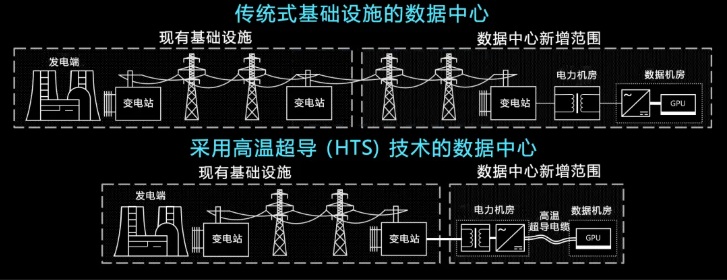
Microsoft is making waves with its high-temperature superconductivity technology that promises to transform how data centers handle power. By eliminating energy loss during transmission, these ultra-efficient cables could solve the growing power demands of AI infrastructure while reducing environmental impact. The tech giant has already begun real-world testing with partners, signaling a potential shift in how we power our digital future.

April 7, 2026
superconductorsMicrosoftdata centers
News

Google's Texas Gas Plant Fuels AI Boom, Sparks Climate Concerns

Google is building a 933-megawatt natural gas plant in Texas to power its AI data centers, raising questions about tech giants' climate commitments. The project, developed with Crusoe Energy, could emit 45 million tons of CO2 annually - a sharp contrast to Google's net-zero pledges. As AI's energy demands skyrocket, even Silicon Valley's green champions are turning to fossil fuels to keep servers running.

April 3, 2026
AI infrastructureTech sustainabilityEnergy policy
IBM's Granite 4.0 3B Vision: A Smarter Way to Tackle Document Chaos
News

IBM's Granite 4.0 3B Vision: A Smarter Way to Tackle Document Chaos

IBM has unveiled Granite 4.0 3B Vision, a nimble yet powerful AI tool designed to extract valuable data from complex business documents. With its 3 billion-parameter architecture, this model excels at handling tricky formats like financial reports and medical records while keeping costs low. What makes it stand out? The ability to run efficiently on edge devices and its open-source nature, letting companies tailor solutions to their specific needs.

April 2, 2026
document AIenterprise technologydata extraction
News

Moonshot AI's K2.5 Model Hits $100M Revenue as Clients Rush for Computing Power

Moonshot AI's Kimi K2.5 model has achieved a remarkable $100 million in annual recurring revenue just one month after launch, signaling strong market demand for advanced AI solutions. Enterprise clients are making million-dollar commitments to secure computing power access, while investors push the company's valuation toward $18 billion. The success stems from K2.5's innovative multi-agent capabilities that enable complex collaborative tasks beyond single-model limitations.

March 30, 2026
AI commercializationMoonshot AIenterprise technology
Alibaba Cloud hikes AI service prices amid computing crunch
News

Alibaba Cloud hikes AI service prices amid computing crunch

Alibaba Cloud is raising prices for its AI computing and storage services by up to 34%, signaling tightening supply in the cloud infrastructure market. The increases affect core products including the Pingtouge Zhenwu series and specialized storage solutions, driven by surging global demand for AI capabilities. This move reflects the growing strain on computing resources as generative AI applications scale up worldwide.

March 18, 2026
cloud computingAI infrastructureAlibaba Cloud