Zhipu AI Shakes Up Market with Major Price Hikes for Overseas Users

Zhipu AI Triggers Pricing Shift in China's Competitive AI Market

China's artificial intelligence landscape is undergoing a dramatic transformation as Zhipu AI becomes the first major player to implement substantial price increases for its services. The company's February 12 announcement sent ripples through the tech community, particularly affecting overseas developers who rely on its powerful GLM-5 model.

A Tale of Two Markets

The pricing changes reveal a clear divide between domestic and international customers:

  • For Chinese users: Subscription plans saw a moderate 30% increase, with initial purchase discounts disappearing
  • For global customers: The impact is far more severe, with API call costs potentially doubling in some cases

"We're seeing this as a wake-up call for the industry," remarked Li Wei, a Shanghai-based AI analyst. "The days of loss-leading pricing strategies might finally be coming to an end."

Behind the Price Adjustments

Zhipu cites surging demand and infrastructure costs as primary drivers for the change:

Growing Pains

  • Developer adoption of GLM Coding Plan has exceeded projections
  • Platform consistently operates at near-maximum capacity

Cost Pressures

  • Significant investments required in computing power and infrastructure
  • Model iteration and maintenance costs continue rising

The company maintains that existing users will enjoy a grace period before the new rates take effect.

Industry Implications: From Price Wars to Value Wars

The move represents more than just a pricing adjustment—it signals a fundamental shift in how Chinese AI firms approach commercialization. Market observers note growing divergence among domestic players:

Strategy Companies

"This isn't just about covering costs," explains tech journalist Wang Ying. "We're seeing the maturation of China's AI sector—companies are moving beyond user acquisition and focusing on sustainable business models."

Key Points:

  • Zhipu implements first major 2026 price hike among Chinese AI firms
  • Overseas users face steeper increases than domestic customers
  • Industry shifting from price competition to value-based offerings
  • Existing users granted temporary reprieve from new rates
  • Other major players watching market reaction closely
Enjoyed this article?

Subscribe to our newsletter for the latest AI news, product reviews, and project recommendations delivered to your inbox weekly.

Weekly digestFree foreverUnsubscribe anytime

Related Articles

News

DeepMind CEO Predicts AGI Within Five Years: A Revolution Unlike Any Before

DeepMind CEO Demis Hassabis has made bold predictions about artificial intelligence's future, suggesting AGI could arrive within five years. He describes this shift as a "tenfold industrial revolution happening ten times faster" than historical changes. Hassabis also warns about widening gaps between top AI companies and the patchy nature of current AI systems. The interview reveals how the rules of AI development are changing, with innovation becoming more crucial than raw computing power.

April 14, 2026
AGIDeepMindAI Future
News

OpenAI's 'Spud' Model: A Direct Challenge to Anthropic's AI Dominance

A leaked internal memo from OpenAI reveals their ambitious strategy to counter rival Anthropic with a new AI model codenamed 'Spud'. This next-generation reasoning model reportedly outperforms Anthropic's Claude Mythos in complex tasks and reliability. OpenAI is also developing the 'Frontier' platform to set enterprise AI standards while subtly distancing itself from Microsoft dependence. The memo includes sharp criticisms of Anthropic's computing power management and revenue reporting practices, signaling a shift in AI competition from raw power to practical implementation.

April 14, 2026
OpenAIArtificial IntelligenceTech Competition
Google's Vantage Uses AI to Measure Teamwork and Creativity in Education
News

Google's Vantage Uses AI to Measure Teamwork and Creativity in Education

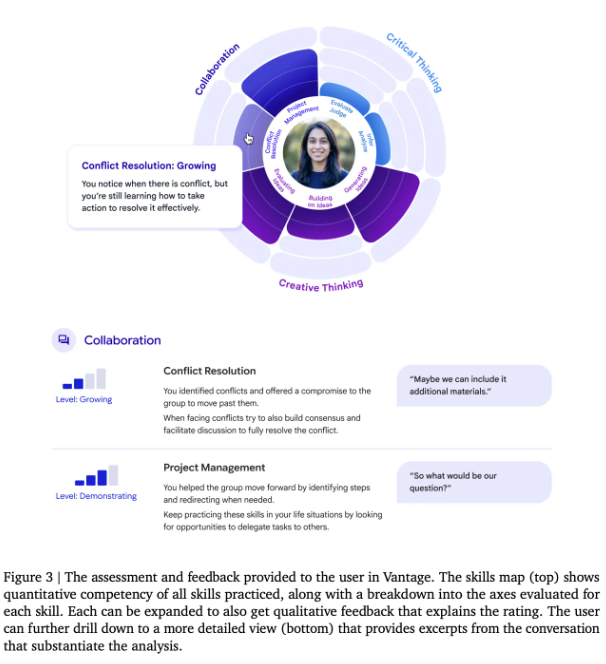
Google researchers have developed Vantage, an innovative method using large language models to assess traditionally hard-to-measure skills like teamwork, creativity, and critical thinking. Unlike standardized tests that evaluate individual knowledge, Vantage simulates real group interactions where AI participants challenge human test-takers. Early results show AI scoring aligns well with expert human evaluations, potentially revolutionizing how we measure essential life skills in education.

April 14, 2026
AI in educationSkills assessmentGoogle Research
HarmonyGNN: A Breakthrough in AI's Understanding of Complex Relationships
News

HarmonyGNN: A Breakthrough in AI's Understanding of Complex Relationships

A new AI training method called HarmonyGNN is revolutionizing how computers understand complex relationships in data. Developed by researchers at North Carolina State University, this technique helps neural networks better distinguish between different types of connections in graph data, achieving accuracy improvements up to 9.6%. The innovation could have significant implications for fields like drug discovery and weather forecasting.

April 14, 2026
Artificial IntelligenceMachine LearningGraph Neural Networks
News

Zuckerberg's Digital Doppelgänger: Inside Meta's AI Clone Project

Meta is developing an eerily realistic AI version of Mark Zuckerberg that company employees will be able to converse with in real time. The digital CEO clone, currently in early testing phases, learns from Zuckerberg's speeches, mannerisms, and strategic views. This ambitious project comes as Meta pours billions into AI development, recently launching tools like MuseSpark while facing concerns about digital ethics.

April 13, 2026
Artificial IntelligenceMetaDigital Humans
News

Apple's AI Visionary John Giannandrea Exits as Tech Giant Restructures

Apple's former AI chief John Giannandrea is making his final exit this week, closing a chapter that began with his responsibilities being gradually stripped away since early 2025. The departure comes after Apple's AI initiatives - including Siri upgrades and generative AI development - failed to meet expectations. His duties have now been distributed among three senior executives, marking a significant shift in how Apple manages its artificial intelligence strategy.

April 13, 2026
Apple AITech LeadershipCorporate Restructuring