Xiaomi's New Bionic Hand Feels Almost Human with Sweat-Gland Cooling
Xiaomi's Breakthrough in Robotic Touch
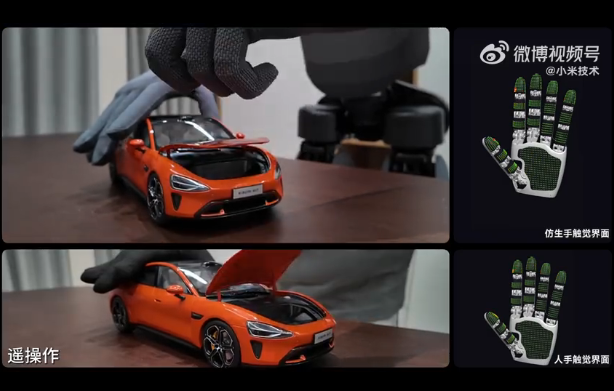
Imagine a robotic hand that not only looks human but cools itself like one too. That's exactly what Xiaomi Robotics has achieved with its latest bionic hand prototype, shrinking the device by 60% while dramatically improving its capabilities.
Industrial-Grade Precision
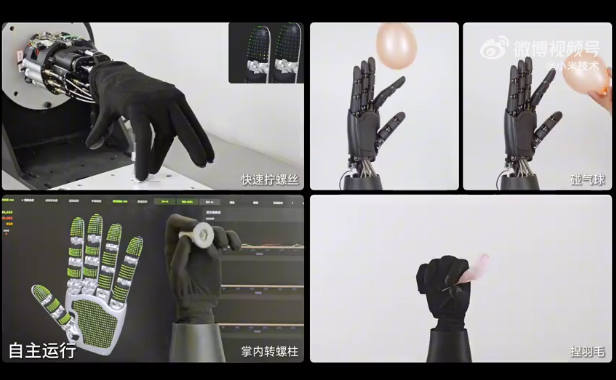
The new model builds on Xiaomi's previous success in automotive factories, where earlier versions demonstrated a 90.2% success rate in installing self-tapping nuts during three-hour continuous operations. The upgraded version aims for perfection - literally. Engineers have pushed for 100% operational reliability through complete hardware and software integration.
"We're not just building a robotic hand," explains the development team. "We're recreating the human touch at industrial scale."
Sweating Like Humans Do
The most surprising innovation? The bionic hand actually "sweats" to stay cool. High-density motor integration created serious overheating risks until engineers took inspiration from human biology. They developed:
- 3D-printed liquid cooling channels mimicking sweat glands
- Micro-pump systems circulating coolant
- Evaporation-based cooling dissipating about 10 watts of heat
Built to Last
Rigorous testing proves this isn't just lab technology:
- Survived 150,000 gripping cycles without failure
- 64% more degrees of freedom than previous models
- 8,200 sq mm tactile sensor coverage (that's larger than a credit card)
The team also solved persistent problems with tendons and springs failing under heavy loads - crucial for industrial applications where downtime costs thousands per minute.
Open-Sourcing the Future
In an unusual move for a commercial company, Xiaomi has open-sourced its tactile perception model TacRefineNet. This allows researchers worldwide to build on their work mapping high-dimensional touch data from gloves to bionic hands.
The implications are profound: this sharing could accelerate progress in prosthetics, remote surgery, and hazardous environment robotics.
Key Points:
- 60% smaller than previous bionic hands while adding capabilities
- Biological cooling system prevents overheating during heavy use
- Industrial-grade reliability with 150,000 test cycles completed
- Open-source AI model could democratize advanced prosthetics
- Potential applications from manufacturing to medicine