Xiaomi's New Bionic Hand Feels Almost Human, Now 60% Smaller
Xiaomi's Leap Forward in Robotic Hands
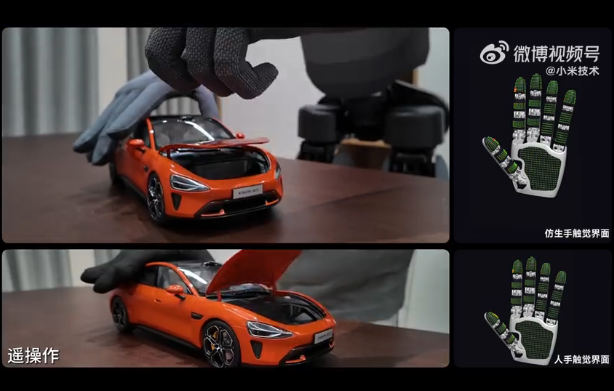
Xiaomi Robotics just changed the game for industrial automation with its latest bionic hand. This isn't just another robotic gripper - it's a sophisticated system that brings us closer than ever to human-like dexterity in machines.
Smaller, Smarter, Stronger
The most noticeable improvement? Size. Engineers managed to shrink the device by a whopping 60% compared to previous models, now matching an average adult male hand. But don't let the compact size fool you - inside this streamlined package lies serious engineering muscle.
Technical specs reveal:
- 64% more degrees of freedom for fluid, natural movements
- 8,200 sq mm of tactile sensors covering the entire hand surface
- Bionic sweat gland cooling that prevents overheating during heavy use
That last feature might sound strange until you understand how it works. Inspired by human biology, Xiaomi created 3D-printed liquid channels that circulate coolant like our bodies circulate sweat. The system can dissipate about 10 watts of heat through evaporation - crucial for maintaining performance during extended operation.
Built for the Factory Floor
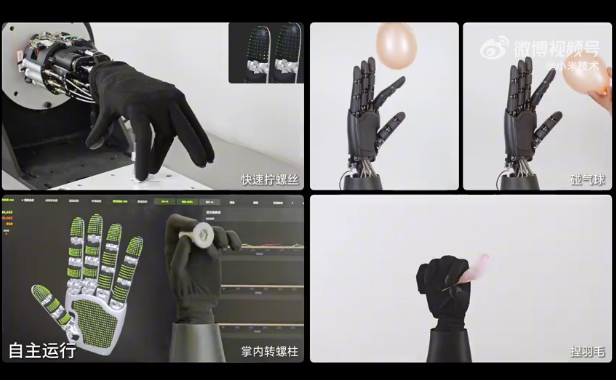
Xiaomi didn't design this technology for showrooms. Their bionic hand has already proven itself in real-world automotive assembly lines, where it achieved a 90.2% success rate installing self-tapping nuts during three-hour continuous tests. Now they're pushing toward that elusive 100% reliability mark through combined hardware and software improvements.
The durability testing sounds almost brutal - 150,000 grip cycles under heavy loads to ensure components like tendons and springs won't fail when it matters most. That's the equivalent of gripping something every minute of every workday for nearly three years straight.
Sharing the Knowledge
In a move that could accelerate robotics development industry-wide, Xiaomi is open-sourcing its TacRefineNet tactile perception model. This AI system helps translate high-resolution touch data from special gloves directly to bionic hands, making them more intuitive to control and program.
The implications are exciting: as these models improve, we might see robotic hands that can handle delicate tasks like threading needles or sensing ripe fruit - capabilities currently limited to human workers.
Key Points:
- Compact design: 60% smaller than previous models while adding functionality
- Human-like cooling: Innovative "sweat gland" system prevents overheating
- Industrial toughness: Survived 150,000 grip tests without failure
- Open-source AI: TacRefineNet model shared to advance robotics field