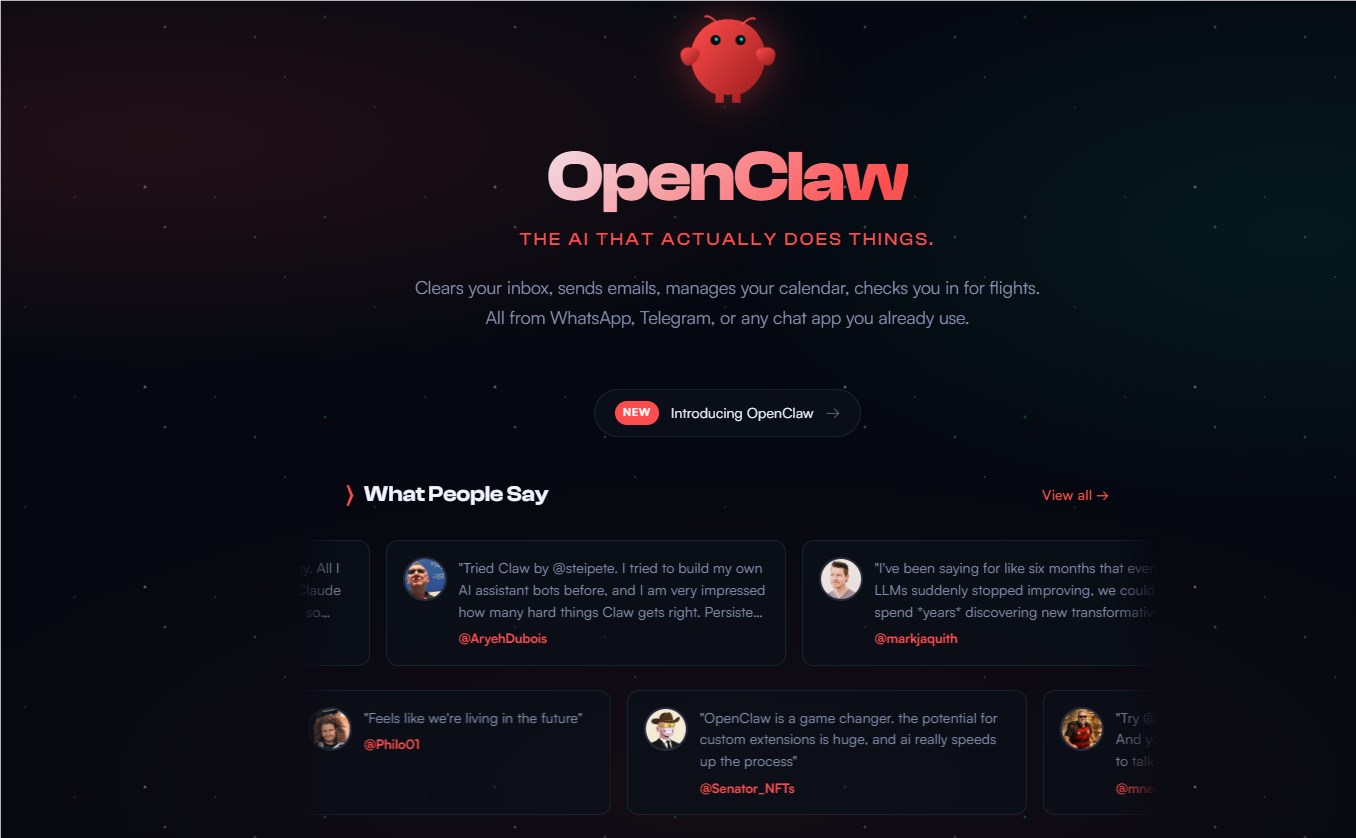
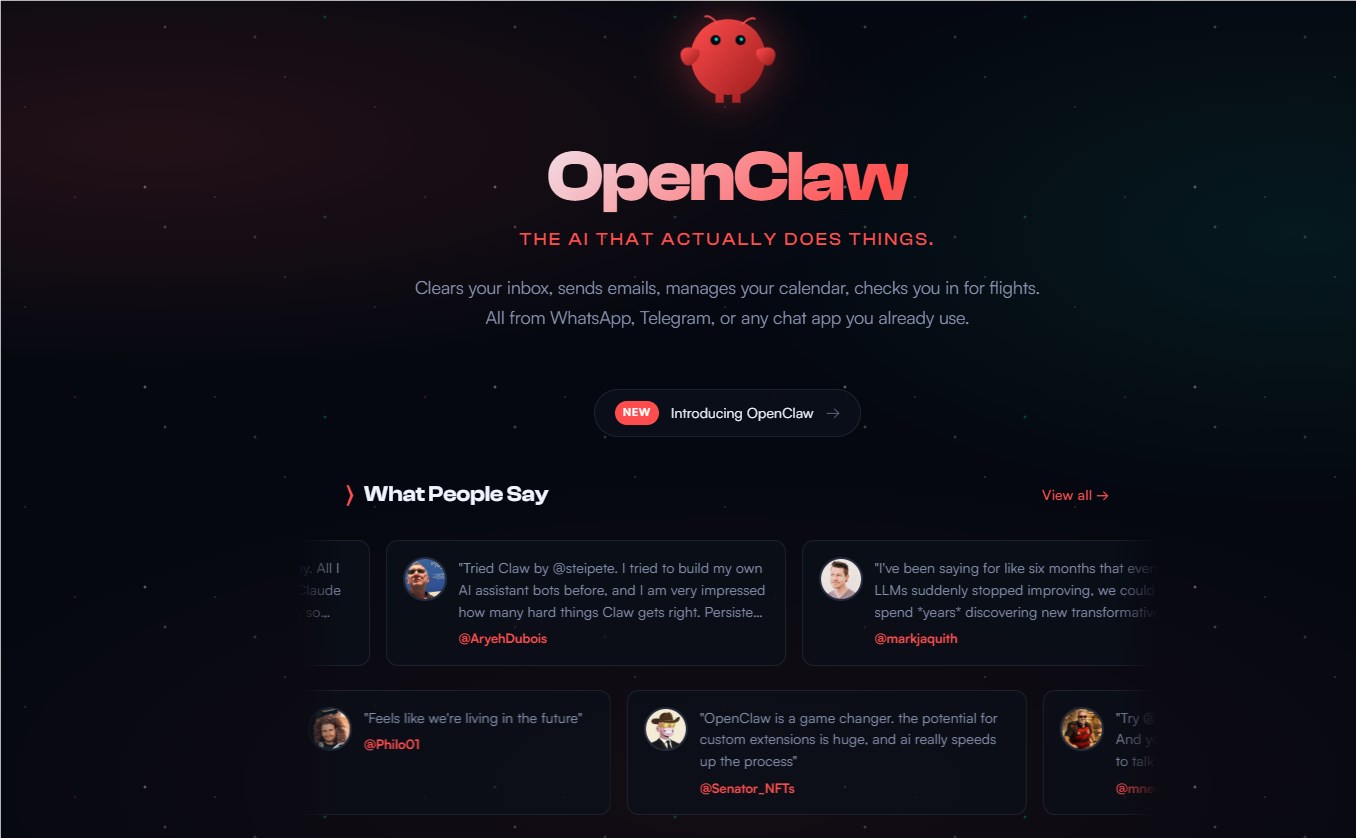
Xiaomi's Lobster AI Agent Sneaks In With Privacy Promise
Xiaomi Tests Waters With Lobster AI Assistant

Xiaomi took the wraps off its experimental Lobster AI agent (codenamed 'Crab') this week, launching an exclusive closed beta that's already generating buzz among tech enthusiasts. This isn't your typical virtual assistant - Xiaomi envisions Lobster as a system-level companion that could fundamentally change how we interact with our phones.
A Different Kind of Digital Helper
The company describes Lobster as a mobile-first AI Agent designed to operate across four key dimensions:
- System-level access for deeper functionality
- Personalized understanding of user context
- Seamless ecosystem integration
- Continuous self-improvement capabilities
Currently available only to select Xiaomi 17 series owners through invitation, Lobster represents Xiaomi's ambitious push into what industry watchers are calling "native AI assistants" - intelligent agents baked directly into device operating systems rather than added as afterthought features.
Privacy At Its Core
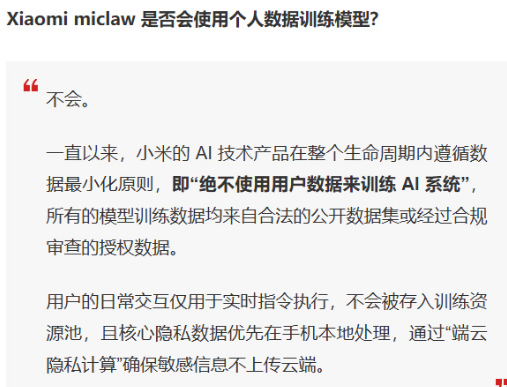
The announcement comes amid growing consumer concerns about how tech companies handle personal data. Xiaomi appears acutely aware of these worries, making privacy protections central to Lobster's pitch.
The company states unequivocally: No user data will train its AI models. Instead, development relies exclusively on legally obtained public datasets and properly licensed materials. Even during actual use, your commands vanish after execution rather than feeding some shadowy training database.
For particularly sensitive operations, Xiaomi employs what it calls "end-cloud privacy computing" - keeping critical processing local while using cloud resources judiciously. The approach creates algorithmic and physical barriers preventing personal data from wandering where it shouldn't.
Work In Progress
Make no mistake - Lobster remains very much an experiment. Early testers report the expected rough edges:
- Battery drain needs optimization
- Complex scenarios sometimes confuse the system
- Stability isn't quite ready for prime time
The limited rollout allows Xiaomi to refine these aspects before considering wider release. Still, even in its current state, Lobster hints at where smartphone assistants might be heading.
The project also serves as a testing ground for Xiaomi's MiMo large language model technology outside traditional chatbot applications. Success here could validate new approaches to mobile AI that prioritize both capability and privacy.
As manufacturers race to redefine what smartphones can do with artificial intelligence, Xiaomi appears determined not just to participate but help set the rules of engagement - especially regarding user data protection.
Key Points:
- Limited beta: Currently invite-only for Xiaomi 17 users
- Privacy focus: Claims zero user data used for training
- Local processing: Sensitive operations stay on-device
- Early days: Performance and stability need refinement