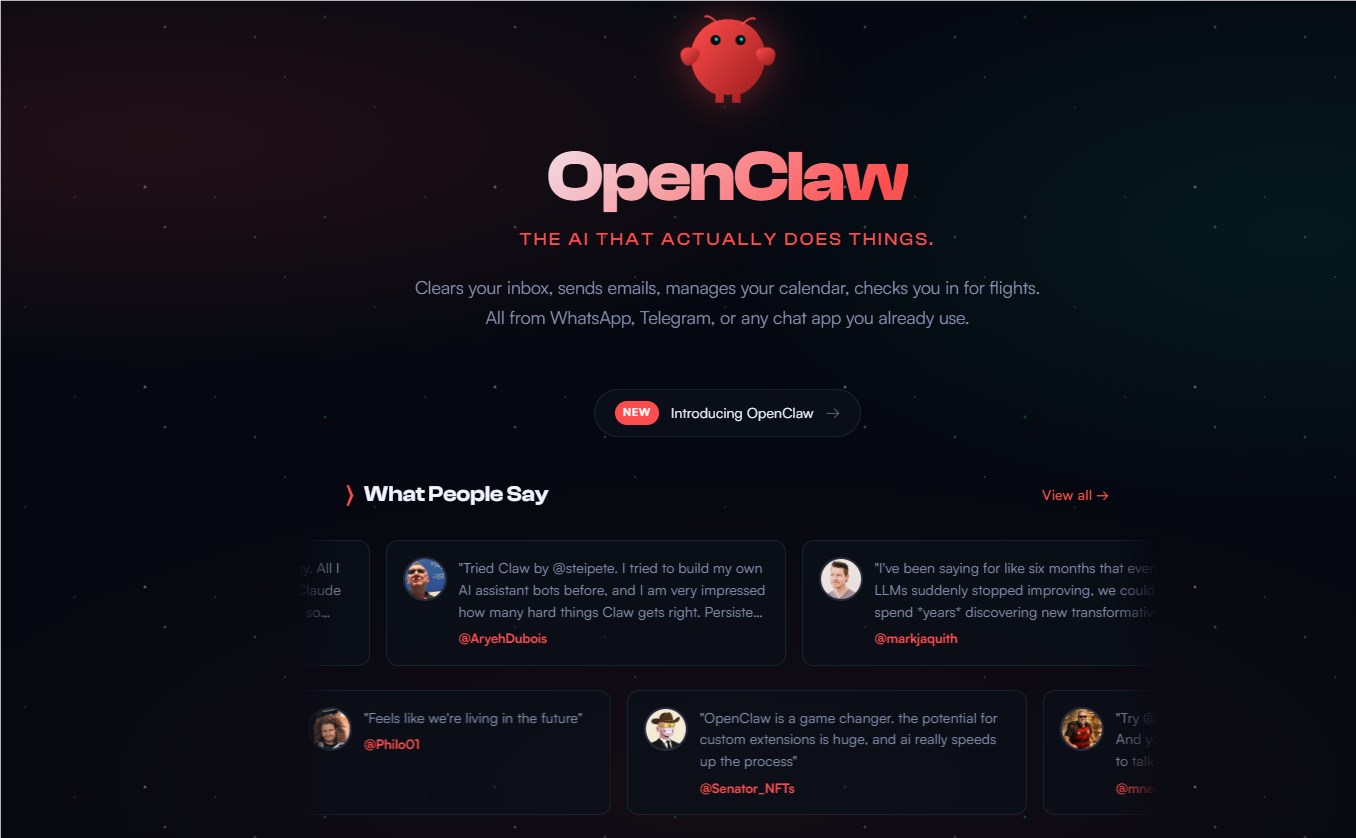
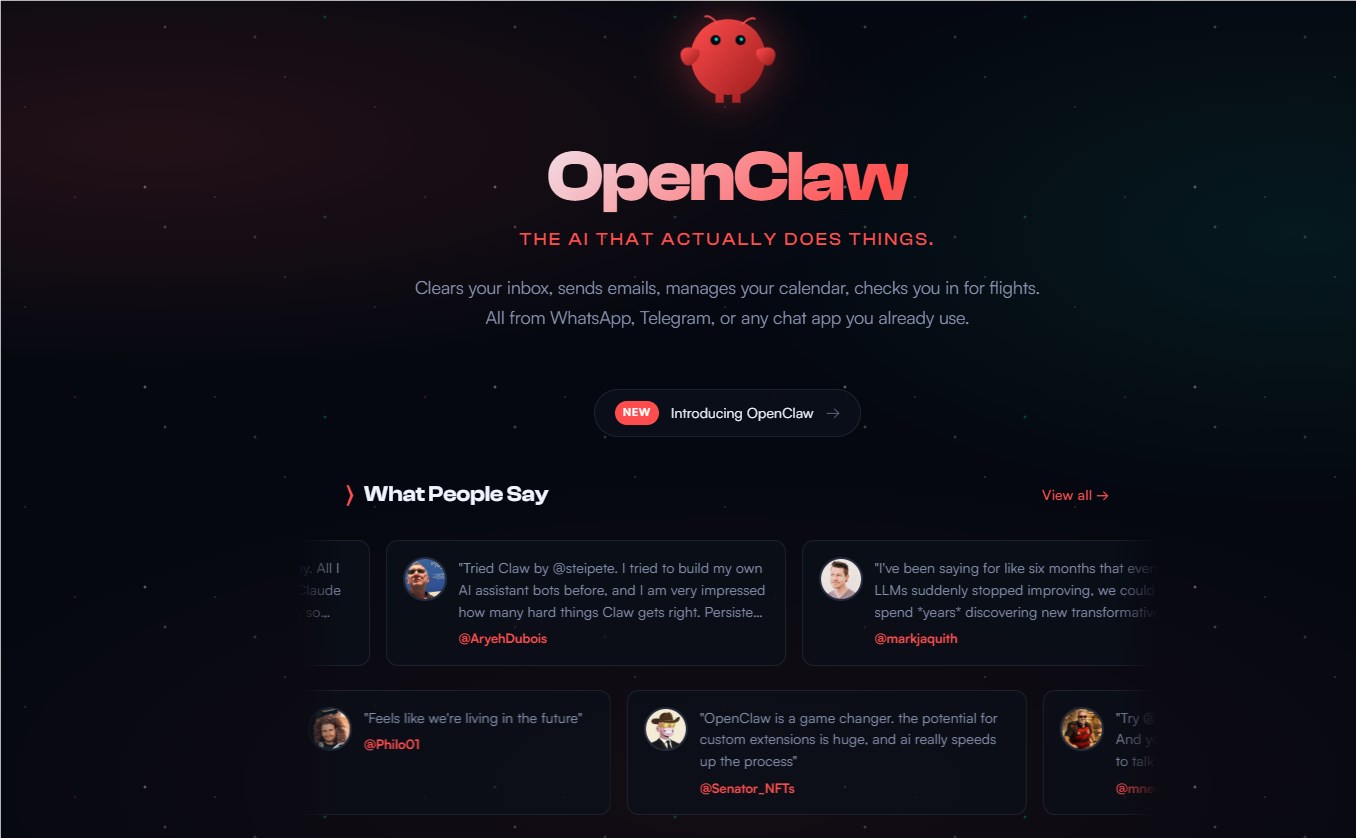
Xiaomi's 'Lobster' AI Agent Debuts With Strong Privacy Promise
Xiaomi Takes Cautious Steps Into AI Assistant Arena
Chinese tech giant Xiaomi has begun limited testing of its experimental AI assistant, internally known as "Lobster," marking the company's latest push into artificial intelligence-powered mobile experiences.
A Selective Rollout With Privacy Front and Center
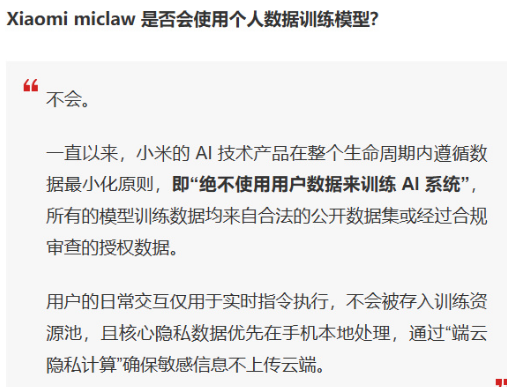
The invitation-only trial currently targets tech enthusiasts with Xiaomi 17 series devices, reflecting the company's cautious approach. What makes Lobster stand out isn't just its capabilities but Xiaomi's firm commitment: "We will never use user data to train our AI system."
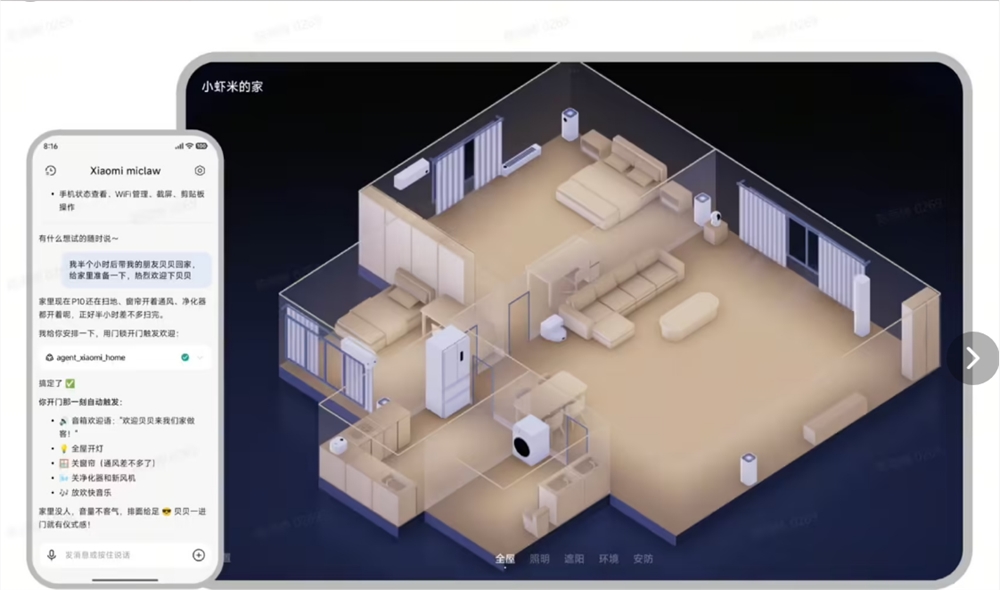
How Xiaomi Plans to Keep Your Data Safe
Unlike some competitors that rely heavily on cloud processing, Lobster employs "end-cloud privacy computing" technology. This means sensitive information stays primarily on your device rather than being shipped off to distant servers.
"All model training uses legally published datasets or properly authorized information," a Xiaomi spokesperson explained. Even when you interact with Lobster in real time, those commands vanish after completing their task—they don't get added to any training database.
The Challenges Ahead
The company openly acknowledges room for improvement in power efficiency and performance during complex tasks—common hurdles for cutting-edge mobile AI. But this cautious rollout suggests Xiaomi prefers getting it right over rushing to market.
What This Means for Smartphone AI
Lobster represents more than just another voice assistant. It signals a shift toward smartphones with native AI capabilities rather than bolted-on features. By combining local processing with strict data policies, Xiaomi hopes to set new standards in an industry where privacy concerns continue growing.
The limited test may be small today, but its implications could ripple across how we interact with our devices tomorrow.
Key Points:
- Selective testing underway for Xiaomi's "Lobster" AI assistant
- Strong privacy focus: No user data used for training models
- Local processing minimizes cloud data transfers
- Current limitations acknowledged around power use and complex tasks
- Potential game-changer for smartphone interaction models