Xiaomi's AI Toolbox Ends Internal Testing, Service Pause Looms

Xiaomi Wraps Up AI Toolbox Testing Ahead of Service Pause

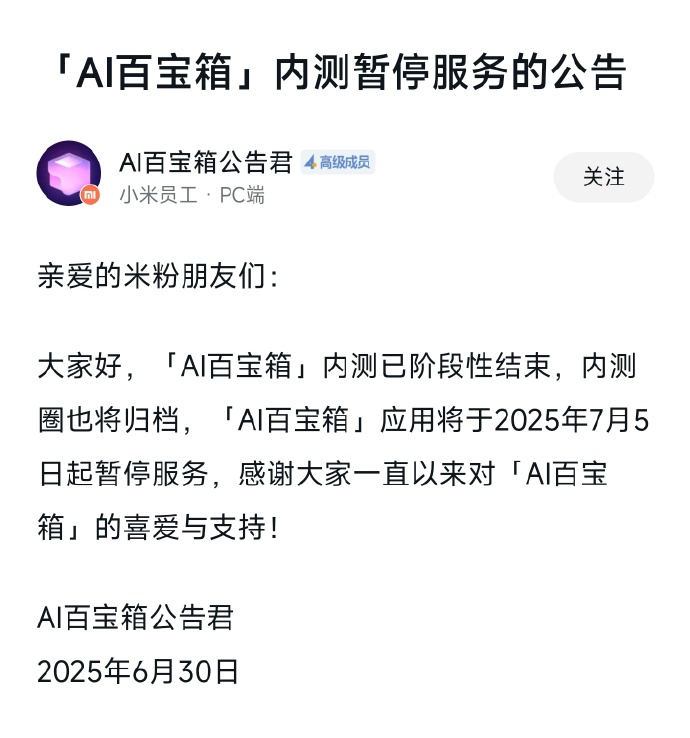
Beijing, June 30, 2025 - Xiaomi has officially announced the conclusion of internal testing for its "AI Toolbox" project, with services scheduled for suspension beginning July 5, 2025. The development marks a strategic pause rather than termination of this ambitious artificial intelligence initiative.
Image

About the AI Toolbox Project

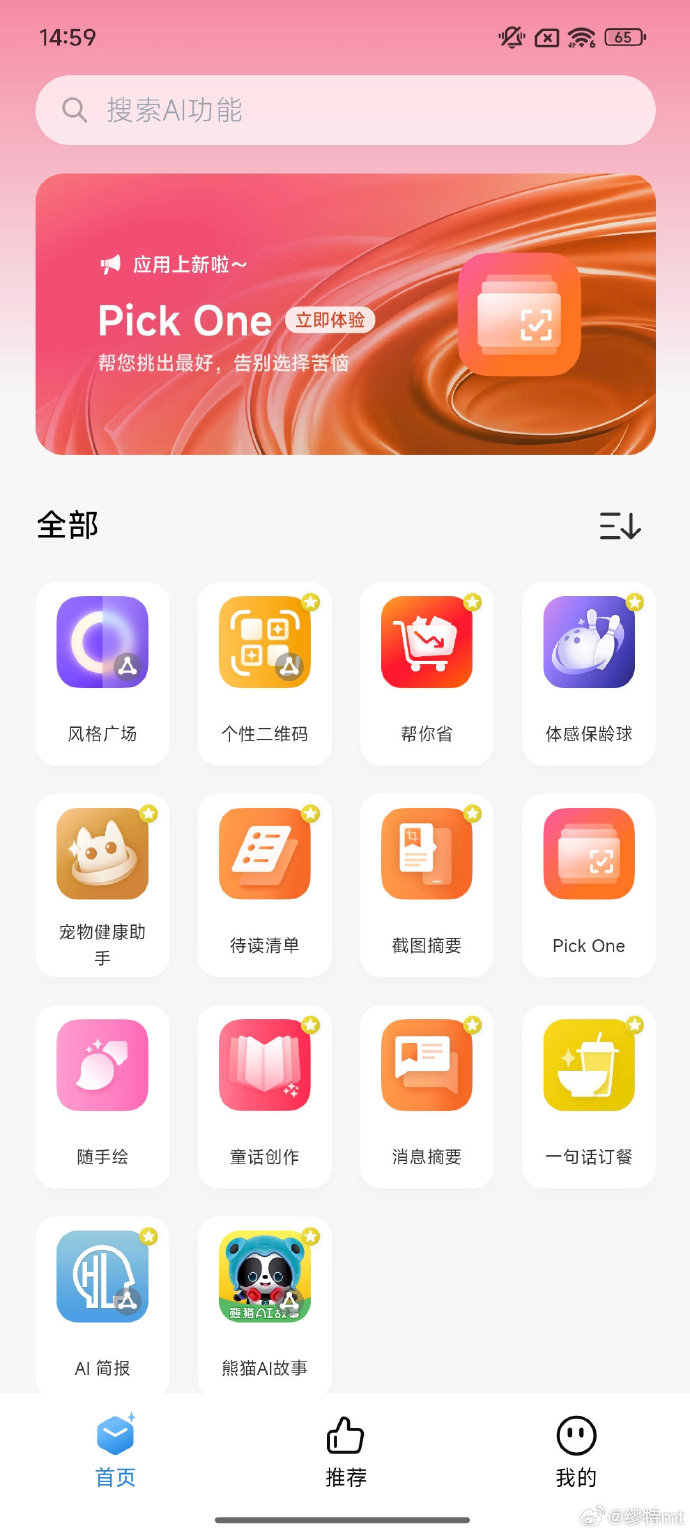
The AI Toolbox represented one of Xiaomi's most significant internal AI incubations, designed to explore and integrate emerging artificial intelligence technologies. While the company maintained discretion about specific features during testing, industry analysts speculate the platform likely offered:

  • Multi-modal AI capabilities
  • Developer-focused tools
  • Hardware-AI integration frameworks

"This wasn't just another app - it was clearly positioned as a comprehensive suite," noted TechInsight analyst Li Wei. "The 'toolbox' nomenclature suggests modular functionality that could eventually power multiple Xiaomi products."

Testing Phase Achievements

During its active testing window, the program engaged:

  • Selected Xiaomi employees across R&D divisions
  • Core user groups from Xiaomi's community programs
  • Strategic partners in China's AI ecosystem

Participants provided feedback that drove 14 documented iterations of the platform, though exact performance metrics remain confidential.
Image

What Comes Next?

The company's statement emphasized this as a "phased conclusion," with the internal testing circle now being archived. Standard next steps typically involve:

  1. Comprehensive data analysis from test cycles
  2. Technical audits of system performance
  3. Roadmap alignment with broader corporate AI strategy
  4. Potential rebranding for public launch

Xiaomi's Expanding AI Ecosystem

The pause comes amid aggressive AI investments by Xiaomi, including:

  • HyperOS integration: Deeper AI capabilities in their operating system
  • XiaoAI evolution: Enhancements to their virtual assistant platform
  • Smart device optimization: AI-powered improvements across IoT products

"We're seeing a clear pattern," said Shanghai-based tech journalist Ming Zhao. "Xiaomi is methodically building an AI architecture that connects their hardware portfolio through intelligent services."

Key Points:

  • Service suspension begins July 5, 2025 after successful testing phase
  • Project focused on cutting-edge AI integration and tool development
  • Next steps likely involve data analysis and strategic planning
  • Part of Xiaomi's broader push into multi-layered AI ecosystems
  • No official timeline given for potential public release

Enjoyed this article?

Subscribe to our newsletter for the latest AI news, product reviews, and project recommendations delivered to your inbox weekly.

Weekly digestFree foreverUnsubscribe anytime

Related Articles

Xiaomi's MiMo AI Model Goes Subscription: Affordable Plans Start at 39 Yuan
News

Xiaomi's MiMo AI Model Goes Subscription: Affordable Plans Start at 39 Yuan

Xiaomi has rolled out a subscription service for its MiMo large language model, offering four tiers from 39 to 659 yuan monthly. The move simplifies AI access for developers while showcasing Xiaomi's growing capabilities in the competitive AI space. With MiMo-V2-Pro ranking fifth globally, this could mark a shift from tech demos to practical applications in China's AI landscape.

April 3, 2026
XiaomiAI ModelsSubscription Services
News

Xiaomi's MiMo AI Model Goes Paid: Token Plans Start at 39 Yuan

Xiaomi has rolled out its first paid subscription plans for the MiMo large language model, marking a shift from free beta testing to commercial service. With four pricing tiers starting at just 39 yuan per month, developers and AI enthusiasts can now access Xiaomi's professional-grade AI tools. The plans include full access to three core models covering text, voice, and multimodal capabilities - a strategic move as Chinese tech firms seek sustainable AI business models.

April 3, 2026
XiaomiAI ModelsTech Business
News

Hackers Exploit Claude Code Leak in Sophisticated GitHub Phishing Scheme

A major security breach has put developers at risk after Anthropic's Claude Code tool accidentally exposed over half a million lines of source code. Cybercriminals have seized the opportunity, creating fake GitHub repositories that distribute malware disguised as 'unlocked' versions of the leaked code. Security experts warn these traps install Vidar trojan malware capable of stealing sensitive data including cryptocurrency wallets. The attackers are using search engine optimization to make their malicious repositories appear legitimate, prompting urgent warnings for developers to stick to official channels.

April 3, 2026
CybersecurityAI DevelopmentPhishing Attacks
Google's Gemma4 Goes Truly Open: What It Means for Developers
News

Google's Gemma4 Goes Truly Open: What It Means for Developers

Google has taken a bold step with its latest AI model Gemma4, adopting the Apache 2.0 license to give developers unprecedented freedom. This marks a significant shift from previous restrictive policies, allowing commercial use and modification without legal hurdles. The new model boasts improved performance and seamless integration with existing developer tools, potentially leveling the playing field for smaller companies in the AI race.

April 3, 2026
Gemma4Open Source AIGoogle
News

Microsoft Bets Big on Homegrown AI to Challenge Industry Leaders

Microsoft is making an aggressive push into developing its own AI models, aiming to compete head-to-head with OpenAI and Anthropic by 2027. The tech giant is investing heavily in computing power with NVIDIA's latest chips and has already seen promising results with a new speech transcription model. This strategic shift comes after Microsoft gained more independence from its partnership with OpenAI, signaling its ambition to become a leader rather than just an integrator of AI technology.

April 3, 2026
MicrosoftAI DevelopmentTech Competition
News

ORCA Lab 1.0 Brings Physical AI Development to Your Laptop

Shanghai Songying Technology has unveiled ORCA Lab 1.0, China's first physical AI platform designed for individual developers. This groundbreaking tool eliminates the need for expensive hardware and complex coding, allowing anyone to create and train robots using just a standard laptop. The platform's no-code approach and full life cycle support could democratize embodied intelligence development, potentially accelerating innovation in this cutting-edge field.

April 3, 2026
Artificial IntelligenceRoboticsTech Innovation