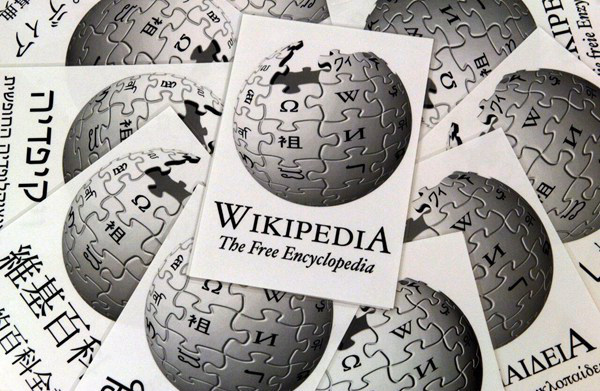
Wikipedia Draws the Line: No More AI-Generated Content Allowed

Wikipedia Takes a Stand Against AI-Generated Content

After months of deliberation, Wikipedia has made its position crystal clear: no more AI-generated articles. The online encyclopedia's volunteer community voted overwhelmingly (40-2) to implement strict new rules against using large language models (LLMs) like ChatGPT to create or substantially rewrite content.

From Gray Area to Black-and-White Rules

The policy change represents a major shift for Wikimedia Foundation, which previously maintained a more ambiguous stance on AI assistance. Now, the guidelines leave no room for interpretation:

  • Complete ban on using LLMs to generate new articles from scratch
  • Prohibition against large-scale AI rewriting of existing content
  • Strict limitations even on approved uses like translation assistance

"This wasn't just about setting rules," explained one longtime editor who participated in the vote. "It was about protecting what makes Wikipedia special - real people verifying real information."

Why Wikipedia Says No to AI Writers

The decision stems from fundamental conflicts between AI capabilities and Wikipedia's core principles:

Accuracy Concerns: LLMs frequently "hallucinate" facts or present unverified information as truth - a direct violation of Wikipedia's commitment to verifiable sources.

Sourcing Issues: Even when correct, AI-generated text often lacks proper attribution, making it impossible for editors to verify claims.

Style vs Substance: The policy specifically notes that punishment won't be based solely on writing style that "sounds like AI," recognizing that some human editors might naturally write similarly.

The Narrow Exceptions Where AI Can Help

Not all uses of artificial intelligence are off-limits. Editors can still employ LLMs in very limited ways:

  • Editing suggestions: Basic grammar corrections or structural improvements (with human review)
  • Translation assistance: Following strict guidelines that require human verification of every change
  • Research tool: Helping identify potential sources (but not summarizing or interpreting them)

The key distinction? AI can polish presentation but must never introduce new factual content.

Enforcement: How Wikipedia Will Catch Violators

The new policy includes safeguards against overzealous enforcement:

  • Multi-factor evaluation: Editors won't be penalized based solely on writing style
  • Review process: Suspicious edits will be examined in context of the contributor's history
  • Community oversight: The volunteer editing community will help monitor compliance

"We're not trying to play gotcha," one policy drafter noted. "We just want to maintain the standards that have made Wikipedia trusted by millions."

What This Means for Wikipedia's Future

The move reflects growing concerns among knowledge platforms about balancing AI tools with editorial integrity. While some experts predicted Wikipedia would eventually embrace generative AI, this decisive rejection suggests otherwise - at least for now.

The overwhelming community support (95% approval) sends a clear message: When it comes to reliable information, human judgment still reigns supreme.

Key Points:

  • Wikipedia now prohibits all LLM-generated article creation and major rewrites
  • Limited exceptions exist for editing suggestions and translations under strict rules
  • Enforcement will consider edit history and content accuracy, not just writing style
  • Policy passed with near-unanimous support from volunteer editors (40-2 vote)
  • Decision aims to prevent AI hallucinations from compromising factual accuracy
Enjoyed this article?

Subscribe to our newsletter for the latest AI news, product reviews, and project recommendations delivered to your inbox weekly.

Weekly digestFree foreverUnsubscribe anytime

Related Articles

Wikipedia Bans AI-Generated Content in Major Policy Shift
News

Wikipedia Bans AI-Generated Content in Major Policy Shift

Wikipedia has taken a firm stance against AI-generated content, voting overwhelmingly to prohibit its use in articles. The new policy strengthens existing guidelines, banning not just AI-written articles but also AI-rewritten content. While editors can still use AI for suggestions, all final content must be human-verified. This move aims to protect Wikipedia's accuracy and human editorial control as AI tools become more prevalent in content creation.

March 27, 2026
WikipediaAI PolicyContent Moderation
China's Qwen3.5-Max Outperforms Global Rivals in AI Benchmark Test
News

China's Qwen3.5-Max Outperforms Global Rivals in AI Benchmark Test

Alibaba's latest AI model, Qwen3.5-Max-Preview, has topped the LMArena benchmark with a record-breaking score of 1464 points, surpassing international competitors like GPT5.4 and Claude4.5. The achievement signals China's growing dominance in AI development, with five Chinese companies now ranking in the global top ten for large language models.

March 20, 2026
Artificial IntelligenceAlibabaLarge Language Models
News

Xiaomi Bets Big on AI with Trillion-Parameter Models and $2.3 Billion Investment

Xiaomi has unveiled three powerful new AI models, including a trillion-parameter flagship, as part of its aggressive push into artificial intelligence. Founder Lei Jun announced an additional $2.3 billion investment in AI development, signaling the company's serious ambitions in this space. The new models promise to revolutionize how devices interact with users through advanced reasoning, multimodal understanding, and emotionally-aware speech capabilities - all offered at surprisingly competitive prices.

March 19, 2026
XiaomiArtificial IntelligenceLarge Language Models
News

Xiaomi's AI Surprise: Quietly Climbing to Top 5 in Global Large Model Race

While often overlooked in the AI arms race, Xiaomi has quietly developed a trillion-parameter large model that now ranks among the world's best. The company's Mimo-V2-Pro model sits at eighth globally, with Xiaomi as a brand breaking into the top five - even surpassing Elon Musk's xAI Grok. With 16 billion yuan invested this year and new API services opening up, Xiaomi is proving its serious about becoming an AI powerhouse.

March 19, 2026
XiaomiArtificial IntelligenceLarge Language Models
News

OpenAI Considers Adult Content Mode Amid Internal Debate

OpenAI CEO Sam Altman is pushing forward with plans for an 'adult mode' in ChatGPT, sparking intense internal debate. While promising to treat adult users 'as adults,' concerns persist about safety risks and ethical implications. The proposed feature would allow verified users access to romantic content, though disagreements within the company and regulatory hurdles may delay implementation.

March 17, 2026
OpenAIChatGPTAI Ethics
News

China's AI Models Take Global Lead as Query Volumes Soar

Chinese AI models have outpaced their U.S. counterparts in global usage, with weekly queries hitting 4.19 trillion tokens - a 35% weekly surge. MiniMax leads the pack while two other Chinese firms join the top five, signaling a potential shift in AI dominance. The growth reflects both technological advances and robust domestic applications.

March 10, 2026
Artificial IntelligenceLarge Language ModelsTech Competition