When AI Art Gets Labeled: A Filmmaker's Surprising Discovery
The AI Art Paradox: Labeling Changes Everything
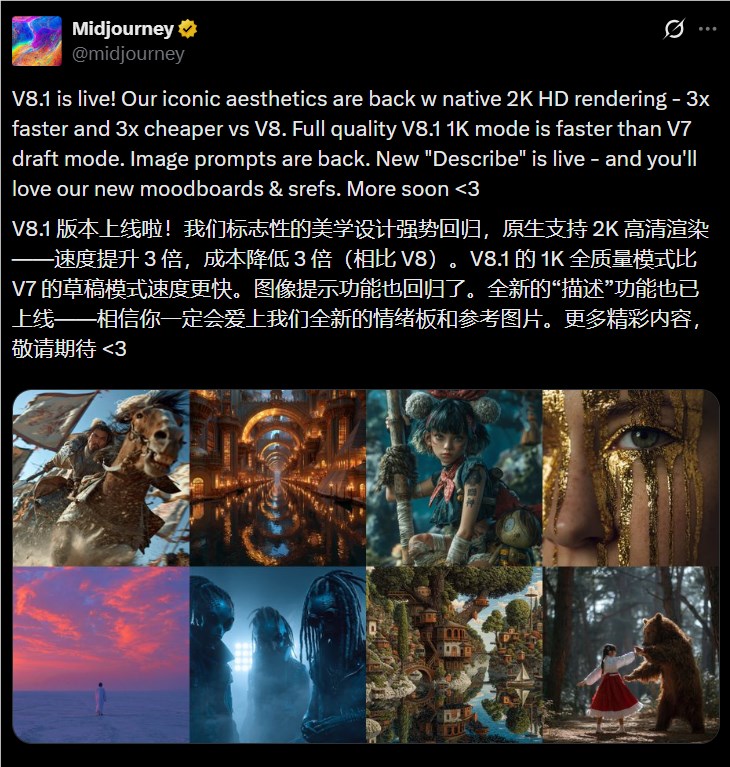
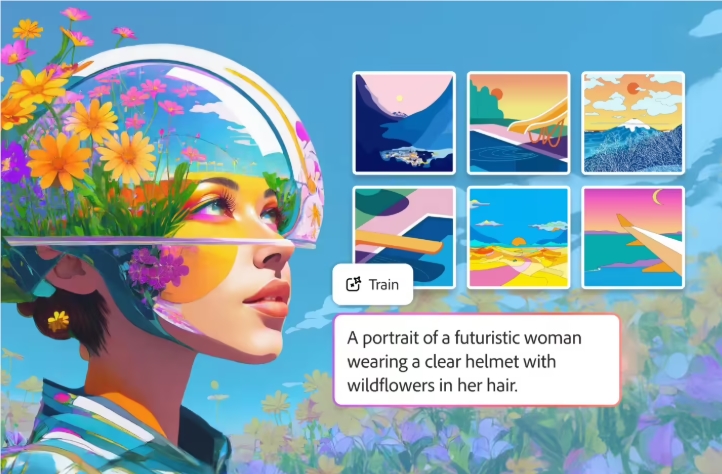
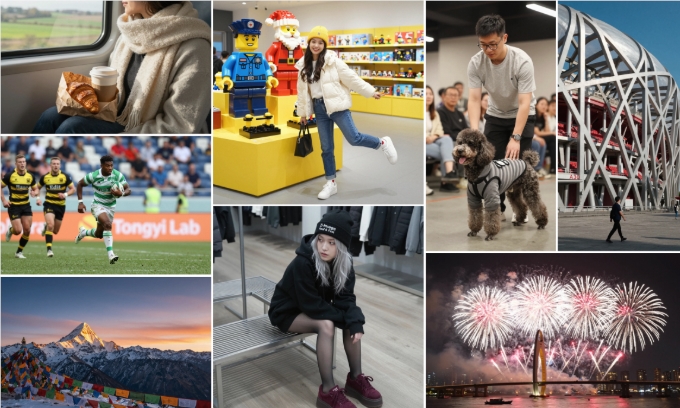
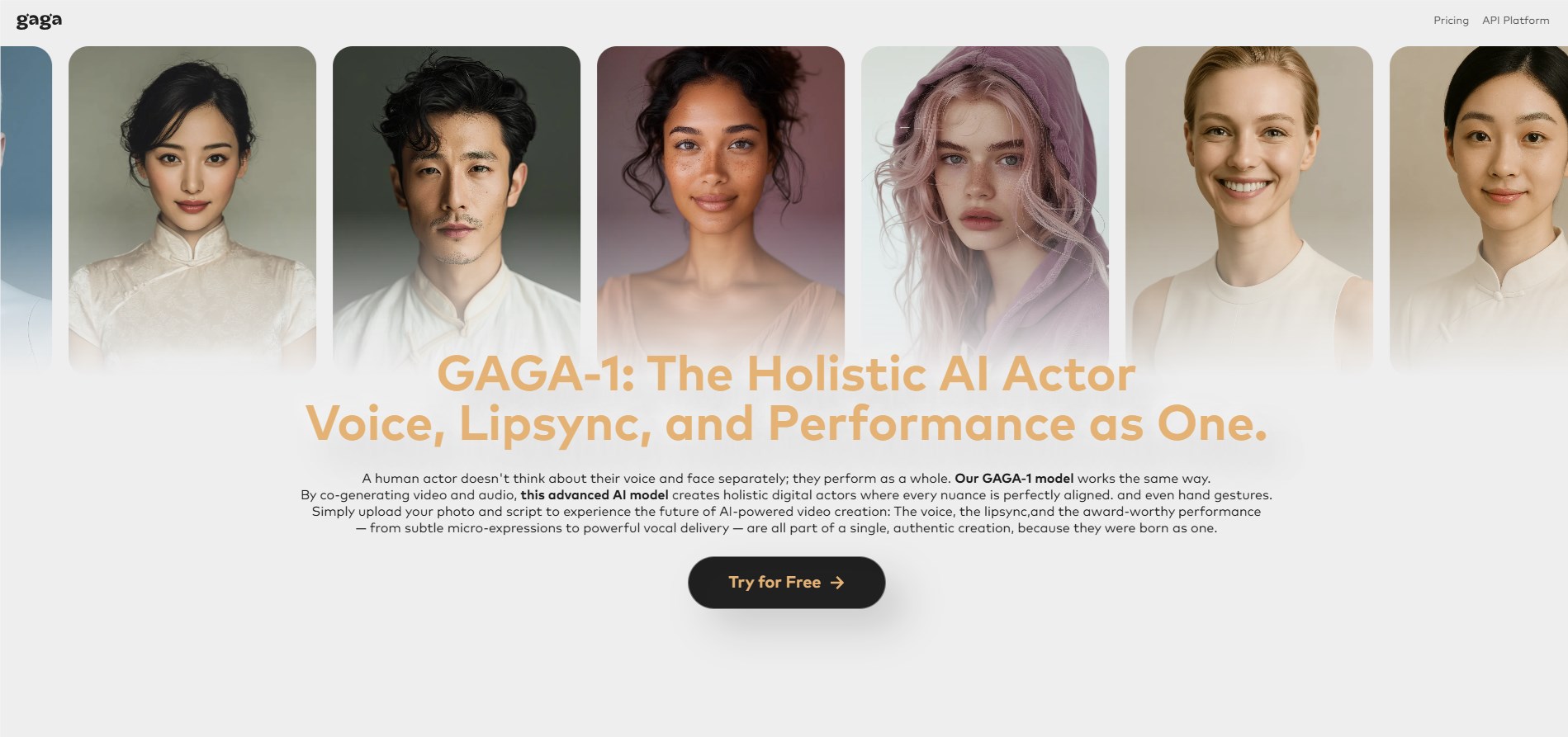
Beijing - When MediaStorm founder Tim took the stage at this year's Beijing International Film Festival, he shared an unexpected lesson about human psychology and artificial intelligence. His team had burned the midnight oil for days, using AI to create over 500 stunning images for a drone review video. The results looked professional - until they told viewers how they were made.
"We were transparent from the start," Tim explained, describing how they clearly labeled all AI-generated content as required by China's new regulations. "But the moment people saw that label, the compliments dried up."
The Backlash Nobody Expected
The comments section turned brutal. "This feels empty," wrote one viewer. Another complained: "Where's the human touch?" The criticism centered on emotional resonance - or rather, its apparent absence in machine-made visuals.
Here's what fascinates psychologists: When shown identical unlabeled images earlier, these same audiences had praised their composition and technical quality. Only the disclosure triggered negative reactions.
Regulatory Reality Meets Creative Experimentation
Since last year, China's "Regulations on Identification of AI-Generated Content" have mandated clear labeling for all synthetic media. Tim's team followed these rules scrupulously in their panoramic drone feature - highlighting both the technology used and its capabilities.
"Maybe we're too honest," Tim mused during his lecture. "If we'd stayed quiet about using AI, would anyone have noticed? Should that even be an option?"
Searching for Middle Ground
The film festival audience buzzed with debate after Tim's presentation. Some argued labels protect consumers from deception. Others countered that prejudice against AI art might stifle innovation.
For now, MediaStorm continues exploring AI's creative potential while complying fully with disclosure rules. "We need to bridge this gap," Tim said. "Great tools deserve great storytelling - maybe we just need better ways to combine them."
Key Points:
- Audience bias revealed: Viewers rated identical images lower when labeled as AI-generated
- Regulations in play: China requires clear identification of all synthetic content
- Creative dilemma: Disclosure policies may inadvertently limit acceptance of new media forms