Adobe Firefly Now Lets You Train Your Own AI Art Style
Adobe Firefly Gets Personal: Train AI in Your Own Art Style
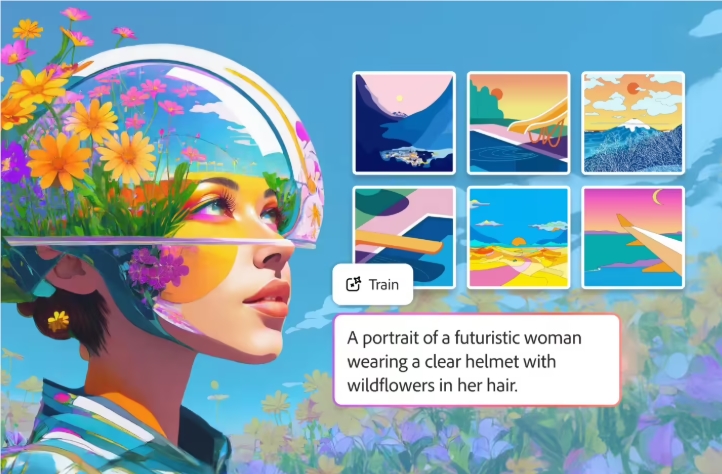
The days of random AI art generation may be numbered. Adobe just rolled out a game-changing feature for Firefly that lets creators train the system to mimic their personal artistic style. Imagine feeding your portfolio into an AI that then produces new works indistinguishable from your hand - that's the promise of Custom Models.
From Guesswork to Precision
For professional designers, maintaining visual consistency across projects has always been painstaking work. "We'd spend hours tweaking prompts, hoping the AI would approximate our brand's look," says Marta Chen, a digital artist at creative agency PixelForge. "Now we can essentially clone our style into the machine."
The process is surprisingly simple: upload 20-30 samples of your work, let Firefly analyze your signature techniques - whether it's that distinctive watercolor texture or your cinematic lighting approach - and within hours, you'll have a personalized AI assistant.
The Business Impact
Corporate creative teams are particularly excited. "Our social media needs 50+ branded graphics weekly," explains Jamal Wright from footwear startup KicksCo. "Before, each took 2-3 hours. Now our custom model generates first drafts in minutes that already match our visual guidelines."
But it's not just about speed. The technology could democratize high-end design. Small studios can now produce work with the polish of major agencies, while independent artists might license their trained models as digital style "fonts."
The Copyright Tightrope
Adobe emphasizes its commitment to ethical AI: "User training data remains private and isn't added to public models," confirms Chief Product Officer Scott Belsky. However, the system currently relies on honor-code declarations about upload ownership - a potential loophole when employees might unknowingly submit protected materials.
Legal experts warn this could spark new copyright battles. "We're entering uncharted territory where an artist's entire oeuvre could be replicated without compensation," notes IP attorney Diane Monroe. Adobe says they're developing better content verification tools.
What This Means for Creators
The implications go beyond convenience:
- Style Preservation: Emerging artists can now digitally immortalize their evolving techniques
- Collaboration: Teams can blend multiple contributors' styles into hybrid models
- Education: Students might study by training models on master artworks (with proper licensing)
As Firefly transforms from creative toy to professional tool, one thing's clear: the AI art revolution just got personal.
Key Points:
- Custom Models allow training AI on personal artwork or brand assets
- Visual consistency improves dramatically while reducing production time
- Copyright concerns emerge around style replication and training data sources
- New business models may arise around licensed artistic styles