
WhatsApp's New AI Bot Fees: What It Means for Users

WhatsApp Implements Pay-Per-Message Model for AI Bots

Meta has rolled out significant changes to how third-party AI chatbots operate on WhatsApp, marking a pivotal moment in the platform's evolution. The new policy introduces message-based fees that could dramatically alter the chatbot ecosystem.

Regulatory Pressure Sparks Policy Shift

The decision comes after intense scrutiny from Italy's antitrust watchdog (AGCM). Last October, Meta had blocked popular AI services including ChatGPT from accessing WhatsApp's Business API - a move regulators saw as potentially anti-competitive. After investigation, authorities pushed Meta to reverse course while implementing safeguards.

"This represents a compromise," explains tech policy analyst Marco Ricci. "Users regain access to their preferred AI tools, but Meta gets compensation and oversight capabilities."

The New Pricing Structure

Beginning February 16, 2026, developers in regulated markets like Italy will pay:

  • $0.0691 per message (non-template responses)
  • Equivalent to €0.0572 or £0.0498

The fees apply specifically through WhatsApp Business API channels where companies integrate AI assistants for customer service or information delivery.

Implications for Developers and Users

The per-message cost might seem negligible until you consider scale:

  • A chatbot handling 10,000 daily conversations could face $700+ in daily fees
  • Smaller developers may struggle with unpredictable costs
  • Established players could pass expenses to end users

"We're evaluating whether this makes business sense," shared one European fintech CEO anonymously. "The math changes completely when every 'hello' costs money."

Meanwhile, consumer advocates welcome restored access but worry about potential service degradation as providers cut corners to offset costs.

Looking Ahead

The policy currently affects only select European markets under regulatory pressure, but industry watchers speculate it could preview Meta's broader monetization strategy for business-facing AI services.

Key Points:

  • Policy change driven by antitrust concerns
  • $0.0691 fee per non-template message
  • Implementation begins February 2026
  • Primarily impacts European markets initially
  • Could reshape WhatsApp's business AI ecosystem
Enjoyed this article?

Subscribe to our newsletter for the latest AI news, product reviews, and project recommendations delivered to your inbox weekly.

Weekly digestFree foreverUnsubscribe anytime

Related Articles

News

OpenAI Wins Appeal: Italian Court Overturns €15 Million Privacy Fine

In a significant legal victory, OpenAI has successfully appealed a €15 million fine imposed by Italian regulators over ChatGPT's data practices. The Rome court's decision lifts financial pressure from the AI developer while raising fresh questions about balancing innovation with privacy protections across Europe. While the full reasoning remains undisclosed, this reversal could influence ongoing AI regulation debates worldwide.

March 20, 2026
OpenAIAI RegulationPrivacy Laws
News

OpenAI Considers Adult Content Mode Amid Internal Debate

OpenAI CEO Sam Altman is pushing forward with plans for an 'adult mode' in ChatGPT, sparking intense internal debate. While promising to treat adult users 'as adults,' concerns persist about safety risks and ethical implications. The proposed feature would allow verified users access to romantic content, though disagreements within the company and regulatory hurdles may delay implementation.

March 17, 2026
OpenAIChatGPTAI Ethics
Shanghai Registers 150 AI Models Amid Growing Tech Oversight
News

Shanghai Registers 150 AI Models Amid Growing Tech Oversight

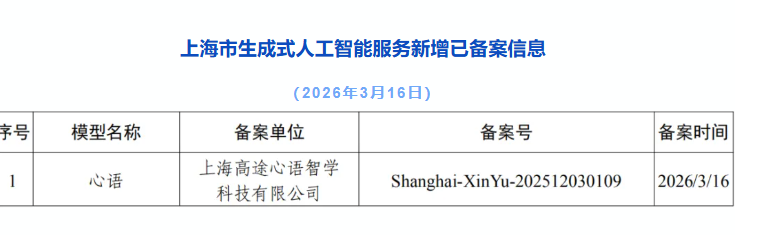
Shanghai's cyberspace authority has added another generative AI service to its registry this month, bringing the city's total to 150 approved models. The filings come as part of China's broader effort to regulate artificial intelligence while fostering innovation. Services must now clearly display their registration details and label AI-generated content.

March 16, 2026
AI RegulationGenerative AIChina Tech Policy
News

ChatGPT's Adult Mode Hits Another Snag as OpenAI Shifts Focus

OpenAI has delayed its controversial 'Adult Mode' feature for ChatGPT yet again, prioritizing core AI improvements instead. While code hints suggest the feature hasn't been abandoned, the company is focusing first on enhancing intelligence and personalization. The postponement highlights the ongoing tension between user demands and ethical considerations in AI development.

March 9, 2026
OpenAIChatGPTAI Ethics
News

Anthropic Sues Pentagon Over Controversial AI Restrictions

AI company Anthropic is taking legal action against the U.S. Department of Defense after being labeled a 'supply chain risk entity.' CEO Dario Amodei calls the designation legally shaky, saying it unfairly targets their principled stance against weaponizing AI. While promising continued support during transition, Anthropic prepares for a courtroom showdown over what they see as government overreach.

March 6, 2026
Artificial IntelligenceDefense ContractsTech Policy
News

Silicon Valley's $125M Fight Against NY Lawmaker Pushing AI Transparency

As midterm elections near, New York congressional candidate Alex Bores finds himself in Silicon Valley's crosshairs for championing AI safety regulations. A tech-backed Super PAC has poured $125 million into attack ads targeting Bores, who successfully pushed through New York's RAISE Act requiring major AI firms to disclose safety plans. The battle highlights growing tensions between tech leaders advocating unfettered AI development and policymakers demanding accountability.

March 4, 2026
AI RegulationTech LobbyingCampaign Finance