Warner Bros. Discovery Cuts Costs Dramatically With AWS Tech Upgrade

Warner Bros. Discovery Achieves Major Tech Wins With AWS Partnership
Image

In an era where streaming services battle fiercely for viewer attention, Warner Bros. Discovery (WBD) has scored a significant technological victory. By migrating its AI-powered recommendation systems to Amazon Web Services' Graviton processors, the media conglomerate achieved what many tech teams dream about - doing more while spending less.

The Challenge: Serving Millions Without Breaking the Bank

With over 125 million subscribers globally across platforms like HBO Max and Discovery+, WBD's recommendation engines face enormous pressure. These systems must analyze mountains of viewing data in real-time to suggest the perfect show or movie for each user.

"Personalization isn't just nice-to-have anymore - it's what keeps viewers engaged," explains WBD's Chief Technology Officer Sarah Kimble (hypothetical name). "But scaling these AI models was becoming prohibitively expensive."

The Solution: Graviton Power Meets SageMaker Smarts

The breakthrough came when WBD's engineers partnered with AWS to implement Graviton3 processors alongside Amazon SageMaker AI instances. This powerful combination delivered results that surprised even the most optimistic projections:

  • Cost Savings That Turn Heads: Average infrastructure costs dropped by 60%, with some catalog ranking models seeing reductions as steep as 88%
  • Speed Boosts Users Notice: Recommendation response times improved dramatically, with latency reductions ranging from 7% to a whopping 60% depending on the model
  • Seamless Transition: The entire migration process - from initial testing to full deployment - wrapped up in just one month

Why These Numbers Matter For Viewers

The technical achievements translate directly to better experiences for subscribers:

  1. Faster recommendations mean less waiting and more watching
  2. Improved accuracy leads to discovering content you'll actually love
  3. Cost savings allow WBD to reinvest in creating better shows rather than just serving them

The speed improvements proved particularly impactful for XGBoost models, which power many core recommendation algorithms.

What's Next For WBD's Tech Stack?

Encouraged by these results, Warner Bros. Discovery plans broader adoption of Graviton processors across its machine learning infrastructure.

The success story offers valuable lessons for any company relying on AI at scale:

  • Cloud-based solutions can deliver dramatic cost efficiencies
  • Processor architecture makes a measurable difference in ML performance
  • Major migrations don't have to be painful multi-year projects

Key Points:

Major Cost Reductions: Slashed infrastructure expenses by up to 88% ⚡ Performance Gains: Cut recommendation latency by as much as 60% 🚀 Rapid Deployment: Completed full migration in just one month
Enjoyed this article?

Subscribe to our newsletter for the latest AI news, product reviews, and project recommendations delivered to your inbox weekly.

Weekly digestFree foreverUnsubscribe anytime

Related Articles

News

Google's AI Turns News Reports into Flood Warnings for Vulnerable Regions

Google has developed an innovative flood prediction system by analyzing millions of news articles with its Gemini AI. The technology transforms qualitative reports into quantitative data, creating early warnings for areas lacking traditional weather monitoring. Already implemented in 150 countries, this approach marks a breakthrough in using language models for disaster prevention while addressing global inequality in weather forecasting capabilities.

March 13, 2026
AI innovationdisaster preventionclimate technology
xAI's Grok4.20 raises the bar for AI honesty with record-low hallucination rate
News

xAI's Grok4.20 raises the bar for AI honesty with record-low hallucination rate

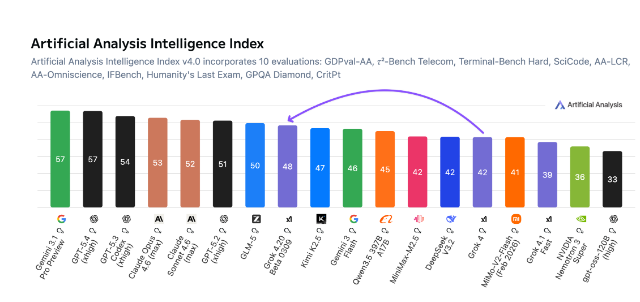
xAI has unveiled Grok4.20, its latest language model that boasts groundbreaking improvements in factual reliability. With a 78% non-hallucination rate - currently the best in the industry - this release marks a significant step toward more trustworthy AI systems. While still trailing competitors in some benchmarks, Grok4.20 shines when it comes to admitting what it doesn't know, potentially reducing those frustrating moments when AI confidently states falsehoods.

March 13, 2026
AI developmentlanguage modelsmachine learning
Tencent's WorldCompass Helps AI Models Navigate Complex Commands
News

Tencent's WorldCompass Helps AI Models Navigate Complex Commands

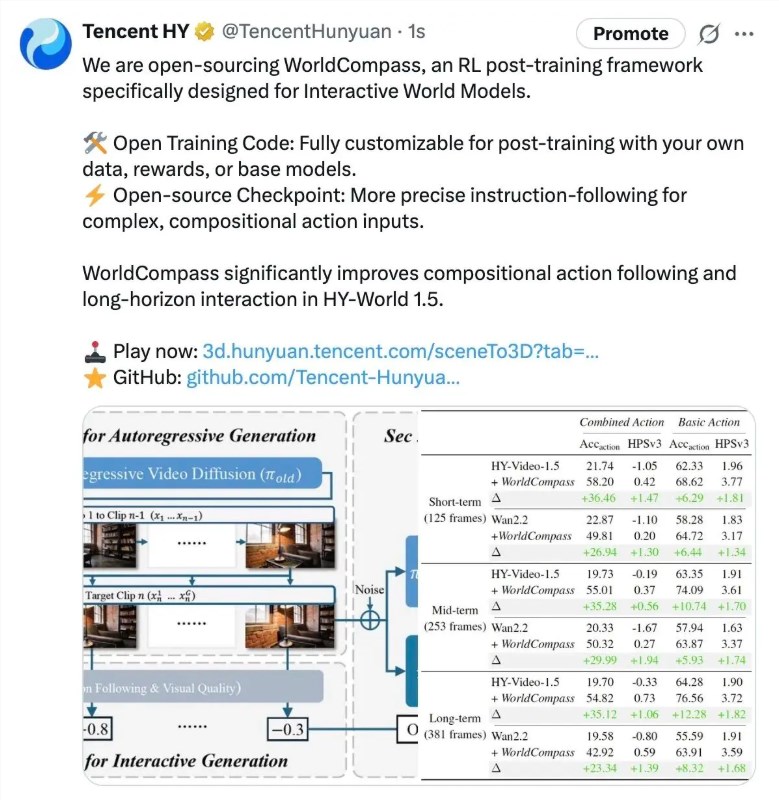
Tencent has open-sourced WorldCompass, a reinforcement learning framework that dramatically improves how AI world models understand and execute complex instructions. This breakthrough solves persistent accuracy issues, boosting performance by over 35% in challenging scenarios. The technology marks a shift from pure pre-training to sophisticated fine-tuning approaches.

March 11, 2026
AI developmentTencentmachine learning
Anthropic Bolsters AI Ambitions with Vercept Acquisition
News

Anthropic Bolsters AI Ambitions with Vercept Acquisition

AI powerhouse Anthropic has snapped up Seattle-based startup Vercept in a strategic move to strengthen its Claude Code ecosystem. While some founders transition to Anthropic, others voice disappointment over the product shutdown. The deal highlights the fierce competition for top AI talent as major players race to dominate emerging technologies.

February 26, 2026
AnthropicAI acquisitionsdeveloper tools
News

Wayve Drives Off with $1 Billion for AI-Powered Autonomous Cars

London-based AI startup Wayve just secured a massive $1.05 billion investment, led by SoftBank with backing from NVIDIA and Microsoft. The company's unique approach to self-driving technology - which mimics human learning rather than relying on expensive sensors - could revolutionize how cars navigate city streets. This funding marks a major vote of confidence in European AI innovation and signals growing excitement about 'embodied AI' applications.

February 25, 2026
autonomous vehiclesAI startupsSoftBank
China's GLM-5 AI Model Breaks New Ground with Domestic Chip Support
News

China's GLM-5 AI Model Breaks New Ground with Domestic Chip Support

Zhipu Technology's GLM-5 AI model has made waves with its latest upgrades, now fully supporting seven major Chinese chip platforms. The model boasts a staggering 744 billion parameters and leads globally in programming agent capabilities. While user demand temporarily overwhelmed servers, the company has responded with compensation measures. Key innovations include a dynamic attention mechanism and new reinforcement learning algorithms that significantly boost performance.

February 23, 2026
AI innovationChinese techmachine learning