Volkswagen Shifts Gears: AI Takes the Wheel in New Vehicle Strategy
Volkswagen Bets Big on AI-Driven Future
As the automotive world turns its attention to Beijing for the 2026 Auto Show, Volkswagen made an early splash with a bold announcement: the era of feature-packed cars is ending, replaced by vehicles defined by artificial intelligence.
The Roadmap Revealed
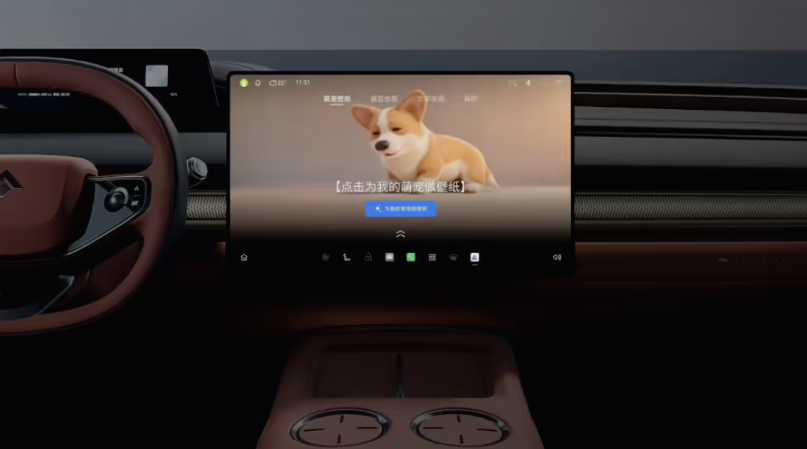
The German automaker shared details of its comprehensive AI strategy during a high-profile "Media Night" event. Beginning next year, Volkswagen will equip new vehicles based on its CEA architecture with intelligent agent systems. These AI companions promise to transform how drivers interact with their cars.
"We're not just adding another layer of technology," explained a senior Volkswagen executive. "We're reimagining what a vehicle can be when artificial intelligence sits at the core of the experience."
Powering the Transformation
Key to this ambitious plan is Volkswagen's partnership with Chinese tech firm Horizon Robotics. Together, they demonstrated how combining Volkswagen's CEA architecture with Horizon's Journey 6 chips creates what engineers call "a quantum leap" in intelligent driving capabilities.
The collaboration extends beyond hardware. Volkswagen's Gaia 2.0 development platform - set for release alongside the new vehicles - aims to slash software development times while enabling continuous over-the-air improvements.
Why China Matters
Volkswagen's decision to deepen ties with Chinese tech firms reflects more than just supply chain strategy. "China isn't just our largest market," noted the company's Asia-Pacific head. "It's become the global proving ground for smart mobility innovation."
The localization push comes as international automakers race to adapt their vehicles for tech-savvy Chinese consumers while meeting increasingly stringent data regulations.
What Drivers Can Expect
While full details remain under wraps, insiders suggest the AI systems will learn driver preferences over time, anticipate needs before they're voiced, and create truly personalized cabin environments. Early prototypes reportedly adjust everything from climate controls to entertainment options based on biometric signals and past behavior patterns.
Key Points:
- 2026 Launch: First AI-equipped models debut next year on CEA platform
- Tech Partnership: Horizon Robotics providing core chip technology
- Software Boost: Gaia 2.0 platform promises faster development cycles
- China Focus: Local R&D investments signal long-term market commitment
- Experience Shift: Vehicles will transition from feature sets to adaptive systems