Tongyi Lab's Qwen3.6-Plus Brings Stability to AI Programming
Tongyi Lab Levels Up AI Programming with Qwen3.6-Plus
Just two months after launching the Qwen3.5 series, Tongyi Lab is back with another game-changer. Their new Qwen3.6-Plus model addresses what developers have been complaining about most - the unpredictable nature of AI programming assistants.
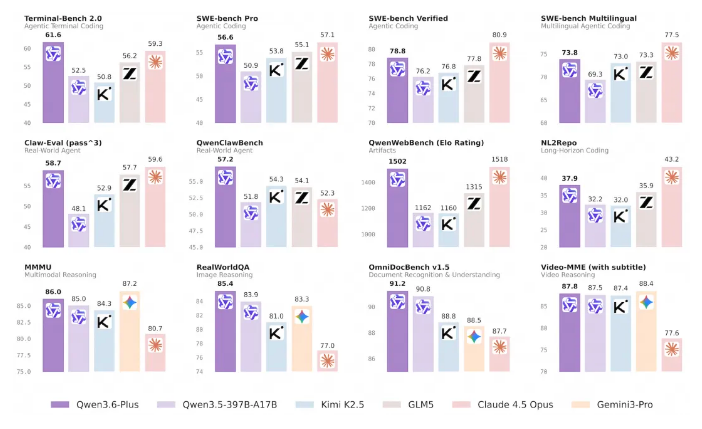
What Makes This Release Special?
The team focused on three critical areas where programmers need the most help:
1. Coding That Actually Works Front-end generation, bug fixes, terminal automation - these are where Qwen3.6-Plus really shines. Developers will notice immediately how much more stable their AI assistant behaves compared to previous versions.
2. Memory Like an Elephant With support for up to 1 million characters of context, this model doesn't just remember - it understands. Complex documentation? Multi-layered conversations? No problem.
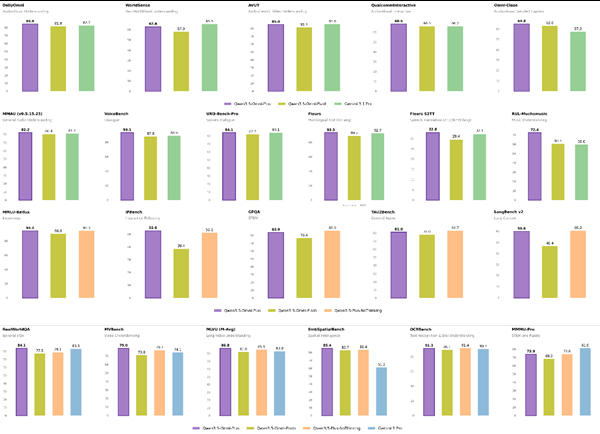
3. Big Power, Small Package Here's the kicker: despite being less than half the size of competing models like K2.5 or GLM5, it keeps pace with industry benchmarks for engineering implementation.
Plays Well With Others
The real test of any developer tool is how easily it fits into existing workflows. Tongyi nailed this by ensuring Qwen3.6-Plus works seamlessly with:
- OpenClaw (the rebranded Moltbot) for self-hosted coding assistance
- Qwen Code, their terminal-optimized agent for complex codebases
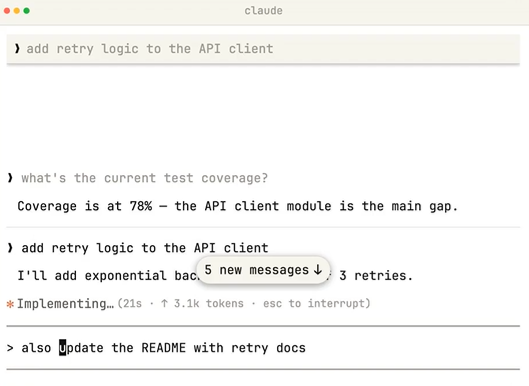
- Claude Code workflows through Anthropic protocol support
Seeing Is Believing - And Now Executing
The multimodal capabilities might be the most exciting part. Imagine feeding it a screenshot of lottery scratch cards and having it calculate potential winnings automatically. Or better yet - turning design mockups directly into front-end code. This "visual agent" technology represents a huge leap toward AI systems that can both see and act in real environments.
Developers working on complex projects will appreciate the new preserve_thinking API feature that maintains context across multiple steps - no more starting from scratch with each iteration.
Key Points
- More reliable execution for coding tasks
- Massive 1M character context window
- Surprisingly efficient resource usage
- Deep integration with popular dev tools
- Breakthrough visual-to-code capabilities