Tesla's Optimus Robots Could Build Colonies on Other Planets, Musk Claims
Tesla's Bold Vision: Humanoid Robots Colonizing Space
Tesla's official AI account dropped a bombshell announcement today that's sending ripples through the tech world. According to the company, their Optimus humanoid robots will eventually possess the capability to independently establish civilizations on habitable planets - a claim that perfectly aligns with Elon Musk's interplanetary ambitions.
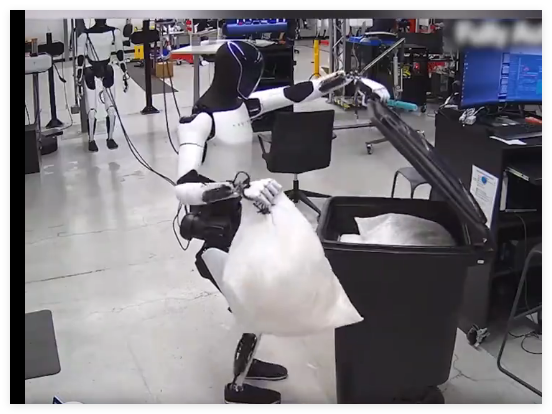
The Next Generation of Optimus
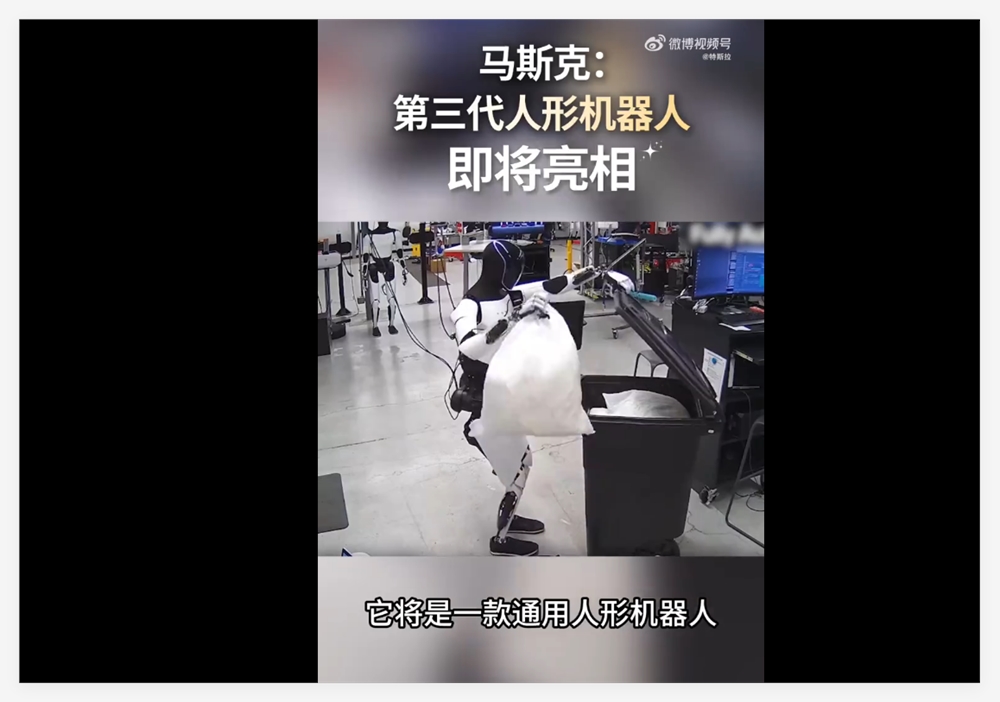
The robotics team at Tesla isn't just dreaming big - they're moving fast. The third iteration of their humanoid robot is reportedly ready for unveiling, boasting groundbreaking self-learning capabilities. Imagine a robot that can master new tasks simply by watching humans perform them once. That's the kind of technological leap Tesla promises with this update.
To make these robots truly ubiquitous, Tesla plans to scale production dramatically. We're talking millions of units annually - a move that would slash costs and accelerate real-world implementation across industries.

From Popcorn to Planets: Optimus in Action
While colonizing Mars might still be years away, Optimus robots are already clocking in here on Earth. Last summer marked their debut as servers at Tesla's experimental "super charging restaurant," where they handled tasks like popcorn sales with mechanical precision.
The bigger picture? Tesla envisions an ecosystem where Optimus robots work alongside autonomous vehicles like the Cybercab, reshaping how we live and work through AI-powered automation.
Skepticism and Potential
The internet predictably erupted with reactions ranging from awe to skepticism when news broke about planetary colonization capabilities. But here's what gets roboticists excited: As AI models grow more sophisticated and integrate seamlessly with advanced hardware, we're seeing machines evolve beyond factory floors into potential partners for humanity's greatest adventures.
The road ahead remains long and uncertain, but one thing's clear - Tesla continues pushing boundaries where others hesitate to dream.
Key Points:
- Third-gen Optimus features revolutionary observational learning abilities
- Mass production plans aim for millions of units annually
- Current real-world applications include food service roles
- Part of broader vision integrating robotics and autonomous vehicles
- Planetary colonization claims spark both excitement and skepticism