Tencent Overhauls AI Strategy with New Departments Focused on Large Models
Tencent Restructures AI Teams for Large Model Development
In a strategic move to bolster its artificial intelligence capabilities, Tencent announced sweeping changes to its research and development framework this week. The Chinese tech titan is establishing three new specialized units: the AI Infra Department, AI Data Department, and Data Computing Platform Department.
Leadership Shakeup Signals Serious Intent
The reorganization comes with significant leadership changes. Vincesyao has been named Chief AI Scientist in Tencent's CEO/President's Office, reporting directly to President Liu Zhiping. Simultaneously, he'll head both the new AI Infra Department and existing Large Language Model team under Lu Shan, President of the Technology Engineering Business Group.
"This restructuring reflects how seriously Tencent takes the AI race," observed industry analyst Zhang Wei. "By separating infrastructure from data processing, they're creating focused teams that can move faster."
Specialized Teams Target Key Challenges
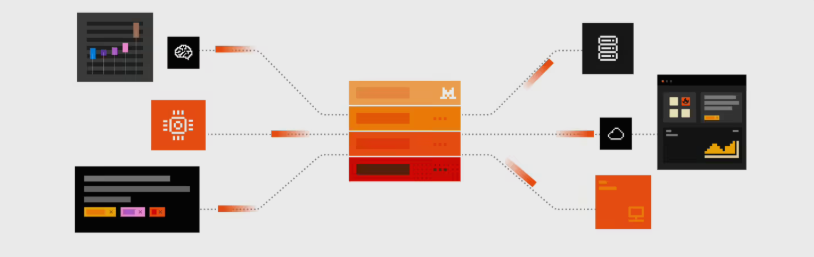
The newly formed AI Infra Department will concentrate on solving technical hurdles in large model training and deployment. Their mandate includes developing cutting-edge solutions for distributed training systems and optimizing inference services - crucial components that determine how quickly and efficiently AI models can learn and respond.
Meanwhile, the AI Data Department partners with the Data Computing Platform Department to tackle what many consider the 'dirty work' of AI: sourcing, cleaning, and preparing massive datasets that feed these hungry algorithms. High-quality training data has become increasingly valuable as companies compete to build more capable models.
Full-Cycle Approach Could Give Competitive Edge
Industry watchers see this reorganization as Tencent's attempt to control every link in the AI development chain - from raw computing power through final implementation. While competitors might specialize in particular areas, Tencent appears betting that vertical integration will yield better results.
The timing suggests urgency. With rivals like Baidu and Alibaba making strides in generative AI, Tencent needs its own breakthroughs to remain competitive in China's crowded tech landscape.
Key Points:
- Three new departments created specifically for large model development
- Vincesyao appointed as dual leader bridging research and engineering
- Infrastructure team focuses on training efficiency and deployment performance
- Separate data units aim to solve quality challenges plaguing many AI projects
- Restructuring reflects Tencent's full-stack approach to AI competitiveness