Taobao's AI 'Baize' Model Watches Over Restaurant Kitchens Around the Clock

Taobao's New AI Guardian for Food Safety

In a move that could transform restaurant hygiene standards, Taobao Flash Sale has unveiled Baize, China's pioneering AI system designed specifically for monitoring food safety in commercial kitchens and retail environments. This groundbreaking technology promises round-the-clock surveillance of food handling practices, bringing unprecedented transparency to an industry where cleanliness often happens behind closed doors.

Image

How Baize Works Its Magic

Built on the Qwen3-VL-8B architecture, Baize represents a significant technological leap forward. What sets it apart is its specialized training - the model has been fine-tuned to understand the complex visual landscape of commercial kitchens. From spotting employees skipping handwashing to identifying improper food storage, Baize's watchful digital eyes never blink.

The system tackles two major pain points simultaneously:

  • Cost efficiency: Traditional manual inspections require significant staffing resources
  • Accuracy: Human inspectors might miss subtle violations that AI can consistently catch

"Imagine having a food safety expert watching every countertop and cutting board in your kitchen," explains Dr. Liang Wei, lead developer on the project. "That's essentially what Baize offers - but without vacations or coffee breaks."

Raising the Bar Industry-Wide

Taobao's decision to open-source Baize comes at a pivotal moment. With new online catering regulations taking effect in 2026, restaurants nationwide face increased scrutiny over their hygiene practices. This technology could prove invaluable for businesses striving to meet higher standards while controlling operational costs.

The development team didn't stop at creating the model itself. They've also introduced ShopBench, the first standardized evaluation tool for assessing retail-focused AI systems. This benchmark helps businesses compare performance across different solutions - think of it as a report card for food safety algorithms.

The Future of Dining Transparency

Early adopters report dramatic improvements in compliance rates after implementing Baize-like systems. One Shanghai restaurant chain saw hygiene violations drop by 68% within three months of installation - not because staff were trying harder, but because they knew someone (or something) was always watching.

As AI continues reshaping industries from healthcare to finance, Baize demonstrates how specialized models can solve very specific real-world problems. For diners concerned about what happens behind kitchen doors, this technology offers something priceless: peace of mind with every meal.

Key Points:

  • 24/7 Monitoring: Continuous oversight replaces sporadic human inspections
  • Cost Effective: Reduces need for large quality control teams
  • Standardized Metrics: ShopBench provides clear performance benchmarks
  • Industry-Wide Impact: Open-source approach accelerates adoption across China
Enjoyed this article?

Subscribe to our newsletter for the latest AI news, product reviews, and project recommendations delivered to your inbox weekly.

Weekly digestFree foreverUnsubscribe anytime

Related Articles

Shanghai Expands AI Ecosystem with 11 New Generative Models
News

Shanghai Expands AI Ecosystem with 11 New Generative Models

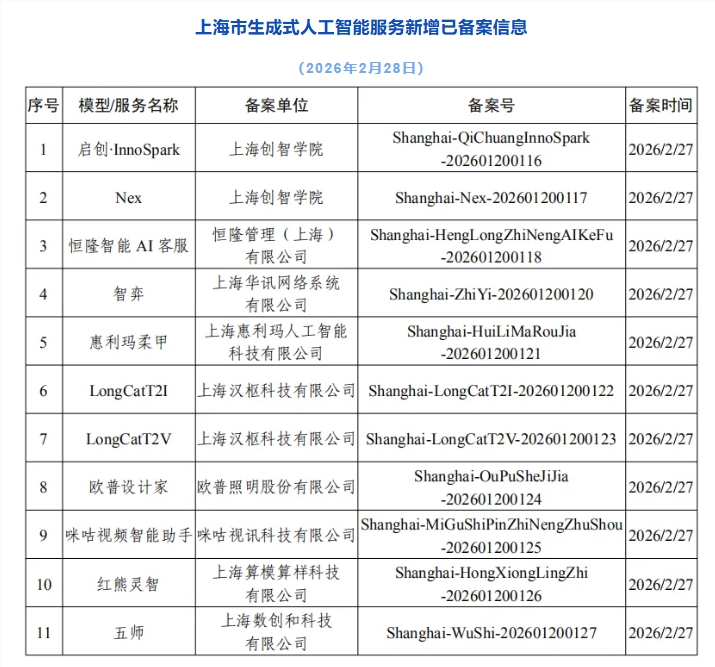
Shanghai continues to solidify its position as China's AI hub, adding 11 new generative AI services to its official registry this month. The city's total now stands at 149 approved models, with the Shanghai Innovation Institute emerging as a standout contributor. These developments come as local authorities refine regulatory frameworks to cover both independent models and API-based services, ensuring responsible innovation in this fast-evolving field.

February 28, 2026
GenerativeAITechRegulationShanghaiTech
News

Altman's Vision: Why Artists May Hold the Key to AGI Breakthroughs

OpenAI's Sam Altman suggests that developing true artificial general intelligence requires more than just coding skills. He argues that people with strong aesthetic judgment - entrepreneurs, artists, and those with unconventional backgrounds - can spot the most promising directions in AI research. This echoes Steve Jobs' philosophy that technology needs humanities to create truly great products. OpenAI is already adjusting its hiring practices accordingly.

February 27, 2026
AGIOpenAITechPhilosophy
Facebook Bets Big on AI to Woo Younger Crowd with Dynamic Avatars
News

Facebook Bets Big on AI to Woo Younger Crowd with Dynamic Avatars

Facebook is rolling out flashy new AI features aimed at winning back younger users. The platform now lets photos come alive with animated gestures, transforms mundane text posts with cinematic backgrounds, and offers Reddit-style anonymity options. These moves come as Facebook fights perceptions of being 'your parents' social network' while competing with TikTok's popularity among Gen Z.

February 11, 2026
SocialMediaGenZAIInnovation
News

TikTok Doubles Down on Shenzhen with New AI and Video Tech Hub

ByteDance's TikTok is expanding its footprint in China's tech hub Shenzhen with a second headquarters focused on AI and video technology. The Nanshan District facility will house research labs and business incubators, complementing TikTok's existing Greater Bay Area operations. This move signals the company's growing investment in southern China's innovation ecosystem.

January 8, 2026
ByteDanceShenzhenTechAIInnovation
Zara's AI Models Spark Fashion Industry Debate
News

Zara's AI Models Spark Fashion Industry Debate

Zara is revolutionizing fashion photography by using AI to digitally dress models in new collections, eliminating traditional photoshoots. While models receive standard payments, photographers and makeup artists face being cut from the process entirely. This cost-saving move comes as Zara battles declining sales, raising questions about technology's role in creative industries.

December 30, 2025
FashionTechAIInnovationRetailTrends
Meta's Lightning Deal: How a Chinese AI Startup Caught Zuckerberg's Eye
News

Meta's Lightning Deal: How a Chinese AI Startup Caught Zuckerberg's Eye

In a move that stunned Silicon Valley, Meta acquired AI startup Manus in just ten days for billions. The deal highlights China's rising tech talent and Meta's urgent push into profitable AI applications. Founder Xiao Hong, a Huazhong University grad, will now lead as Meta VP while keeping Butterfly Effect independent.

December 30, 2025
TechAcquisitionsAIInnovationChinaTech