Taobao Cracks Down: New AI Tool Spots Fake Product Photos

Taobao Takes On AI-Powered Refund Scams

Online shoppers aren't the only ones frustrated by fake product photos - merchants lose billions yearly to sophisticated scams. Now Taobao and Tmall are fighting back with artificial intelligence.
Image

How the Scams Work

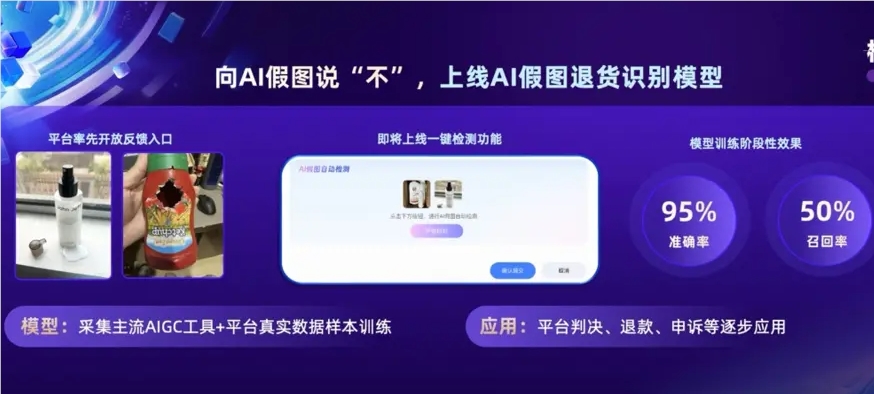
Scammers increasingly use AI tools to manipulate product images, adding nonexistent stains, holes or defects to claim refunds while keeping merchandise. These fraudulent claims hurt sellers and drive up costs for everyone.

The New Defense System

The platforms' just-launched detection model integrates directly into merchant chat windows. With one click, sellers can check whether customer-submitted images show signs of digital tampering:

  • Identifies Photoshop edits
  • Flags artificially added "damage"
  • Provides platform-admissible evidence

"This changes everything," explains a Taobao merchant who asked not to be named. "Before we'd often just refund questionable claims to avoid hassle. Now we have proof."

Beyond Technology: Policy Shifts

The crackdown includes:

  • Account monitoring: Blocked suspicious refund patterns worth ¥4 billion
  • Logistics reforms: Expected to save sellers ¥1 billion annually
  • Algorithm updates: Will prioritize stores with strong service records

"We're leveling the playing field," says a Tmall spokesperson. "Honest businesses shouldn't suffer because others game the system."

The move comes as e-commerce platforms globally grapple with increasingly sophisticated digital fraud. While no system catches every scam, industry analysts say Taobao's approach could set new standards.

Key Points:

  • New AI tool detects manipulated product images instantly
  • Integrated directly into merchant dispute process
  • Part of broader effort saving sellers billions
  • Platform algorithms will reward honest businesses
Enjoyed this article?

Subscribe to our newsletter for the latest AI news, product reviews, and project recommendations delivered to your inbox weekly.

Weekly digestFree foreverUnsubscribe anytime

Related Articles

Taobao and Tmall Crack Down on Fake Returns with AI Image Detection
News

Taobao and Tmall Crack Down on Fake Returns with AI Image Detection

China's e-commerce giants Taobao and Tmall are rolling out new measures to combat fraudulent returns, including an AI-powered image verification tool. The platforms aim to save merchants billions by tackling fake damage claims and improving dispute resolution. Stores with higher service ratings will also get preferential traffic under updated rules.

January 22, 2026
e-commercefraud preventionAI detection
Google's Gemini App Now Spots AI-Generated Videos with Ease
News

Google's Gemini App Now Spots AI-Generated Videos with Ease

Google has rolled out a game-changing update to its Gemini app, giving users the power to detect AI-generated videos with a simple upload. Leveraging SynthID watermarking tech, the tool scans both visual and audio tracks, offering detailed reports on potential AI manipulation. Available globally without extra cost, this feature marks a big step in fighting deepfakes and boosting digital trust.

December 19, 2025
AI detectionGoogle Geminideepfake prevention
News

Spotting AI Writing: Wikipedia Editors Share Their Tricks

Wikipedia editors have created a handy guide to help identify AI-generated content online. The guide highlights telltale signs like overused phrases, exaggerated importance claims, and vague marketing language that often appear in machine-written texts. As AI writing becomes more sophisticated, these clues help readers distinguish human from artificial authorship.

November 21, 2025
AI detectionWikipediacontent moderation
Google Gemini Now Spots AI-Generated Images Instantly
News

Google Gemini Now Spots AI-Generated Images Instantly

Google's Gemini introduces a game-changing feature letting users detect AI-made images with a simple question. Beyond just photos, verification for videos and audio is coming soon—possibly even to Google Search. The tech leverages SynthID watermarks and will adopt the C2PA standard, making it easier to track content origins across platforms like TikTok and OpenAI's Sora.

November 21, 2025
AI detectionGoogle Geminidigital authenticity
News

Wikipedia's New Guide Spots AI Writing Like a Pro

Wikipedia editors have cracked the code on detecting AI-generated content. Their newly released guide reveals telltale signs like vague importance claims, excessive media name-dropping, and marketing-speak adjectives. These patterns stem from AI's training on internet content filled with self-promotion and SEO tactics. As public awareness grows, this knowledge could reshape how we consume online information.

November 21, 2025
AI detectionWikipediacontent authenticity
Pangram Outperforms Rivals in AI Text Detection Study
News

Pangram Outperforms Rivals in AI Text Detection Study

A University of Chicago study found Pangram significantly outperforms competitors like OriginalityAI and GPTZero in detecting AI-generated text. The commercial tool achieved near-zero error rates for medium/long texts while maintaining lower costs. Researchers warn of an ongoing 'arms race' between detection tools and evolving AI models.

November 3, 2025
AI detectionPangramtext analysis