Taobao and Tmall Crack Down on Fake Returns with AI Image Detection
E-Commerce Platforms Step Up Fight Against Fraudulent Returns
Taobao and Tmall announced sweeping changes to their business policies this week, targeting what they call "after-sales abuse" - a growing problem where buyers manipulate product images to claim false refunds.
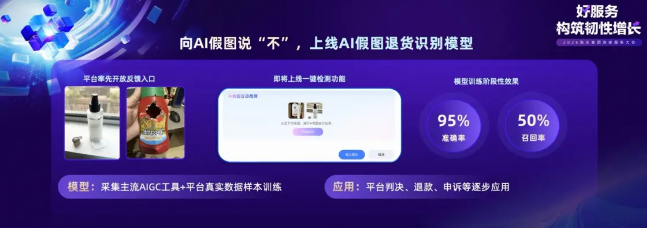
The AI Solution Spotting Fake Damage Claims
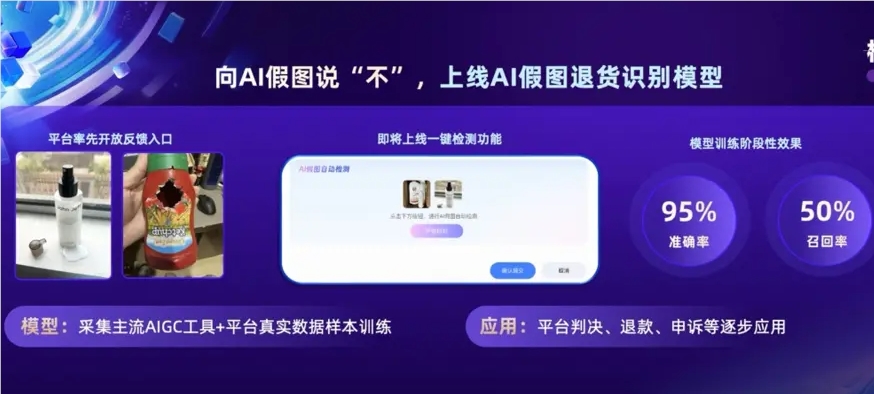
The centerpiece of the new measures is an image authentication system that lets merchants instantly check if product photos have been digitally altered. When customers submit return requests showing supposed damage, sellers can now run these images through Taobao's verification tool via the Wangwang chat platform.
"We've seen everything from Photoshopped scratches to artificially added stains," revealed a platform spokesperson. "This technology helps separate legitimate claims from creative fiction."
The detection results will directly influence refund decisions and dispute resolutions - potentially saving merchants countless hours arguing over questionable returns.
Billions in Savings for Businesses
Platform data paints a startling picture of refund fraud:
- Over ¥4 billion recovered for merchants through fraud detection systems
- 34 criminal cases solved in 2025 targeting professional "coupon hunters"
- Expected ¥1 billion savings from reduced logistics compensation costs
The crackdown extends beyond digital trickery. Taobao is working with police to dismantle organized refund scams while adjusting logistics policies to prevent false damage claims during shipping.
Rewarding Quality Sellers
In a move that benefits honest businesses, the platforms will prioritize stores with service ratings above 4.8 stars in search results and recommendations. Data shows these high-performing merchants grow twice as fast as average sellers.
"It's about creating fair competition," explains Tmall's operations lead. "When buyers know they're dealing with reputable sellers, everyone wins."
The changes also introduce preemptive measures:
- Industry-specific dispute guidelines
- Early "product rectification" warnings
- Streamlined appeal processes
Key Points:
- AI image verification targets manipulated return photos
- Platform has already prevented ¥4 billion in fraudulent refunds
- Top-rated stores get traffic boosts under new algorithm
- Logistics policies adjusted to reduce false damage claims
- Criminal crackdowns target professional fraud rings