Starbucks taps ChatGPT to be your personal barista

Starbucks' AI Barista Knows What You Need Before You Do

Your coffee order might soon come with a side of artificial intelligence. Starbucks has quietly begun testing a ChatGPT-powered feature that recommends drinks based on your emotional state and cravings. Forget scrolling endlessly through the menu - now you can just tell the app "I need an energy boost" or "I'm feeling blue" and let the algorithm work its magic.

How the Magic Works

Here's the barista trick up Starbucks' sleeve: When customers open the Starbucks app, they'll find a new chat interface where they can describe their current mood, energy level, or even specific goals like "need focus for studying." The AI then analyzes these inputs against Starbucks' extensive drink database, considering factors like:

  • Caffeine content (for those energy needs)
  • Flavor profiles (sweet, bitter, or balanced)
  • Temperature preferences
  • Seasonal specials

"We're not just suggesting drinks - we're creating connections," explains a Starbucks product manager. "When someone says they're feeling nostalgic, we might recommend that childhood favorite hot chocolate with extra whipped cream."

The Human Touch in Digital Ordering

Early testers report surprisingly accurate suggestions. "I typed 'exhausted but have a big presentation' and got this perfect iced coffee with just the right caffeine kick," marvels Sarah K., a beta tester in Seattle. Others enjoy discovering drinks they'd never normally try.

But some regulars remain skeptical. "Part of the Starbucks experience is chatting with real baristas who remember your usual order," argues longtime customer Mark T. "Can a chatbot really replace that personal touch?"

Experts Weigh In

Technology ethicists see both promise and peril in Starbucks' experiment:

The Good:

  • Makes overwhelming menus more approachable
  • Introduces customers to drinks they might overlook
  • Reduces decision fatigue during busy mornings

The Concerning:

  • Potential over-reliance on algorithmic choices
  • Data privacy questions about mood tracking
  • Possible erosion of human interaction

"We can't outsource all our decisions to machines," warns behavioral scientist Dr. Ellen Cho. "Something as simple as choosing your own coffee maintains cognitive muscles we don't want to lose."

What's Next?

Starbucks plans to:

  1. Expand testing to select U.S. cities this summer
  2. Incorporate real barista insights to refine suggestions
  3. Add nutritional customization options
  4. Develop safeguards against over-caffeination recommendations

The company emphasizes this complements rather than replaces human baristas. "Think of it like a knowledgeable friend making suggestions," says a Starbucks spokesperson, "but you always get the final say."

Key Points

  • ☕ Starbucks tests mood-based drink recommendations powered by ChatGPT
  • 🤖 AI suggests beverages based on energy needs, emotions, and goals
  • ⚖️ Experts debate benefits versus risks of algorithm-assisted choices
  • 🔄 System will evolve based on customer feedback during testing
  • 👥 Human baristas remain central to the Starbucks experience
Enjoyed this article?

Subscribe to our newsletter for the latest AI news, product reviews, and project recommendations delivered to your inbox weekly.

Weekly digestFree foreverUnsubscribe anytime

Related Articles

News

ChatGPT's Gender Tipping Point: Women Now Dominate User Base as Adoption Soars

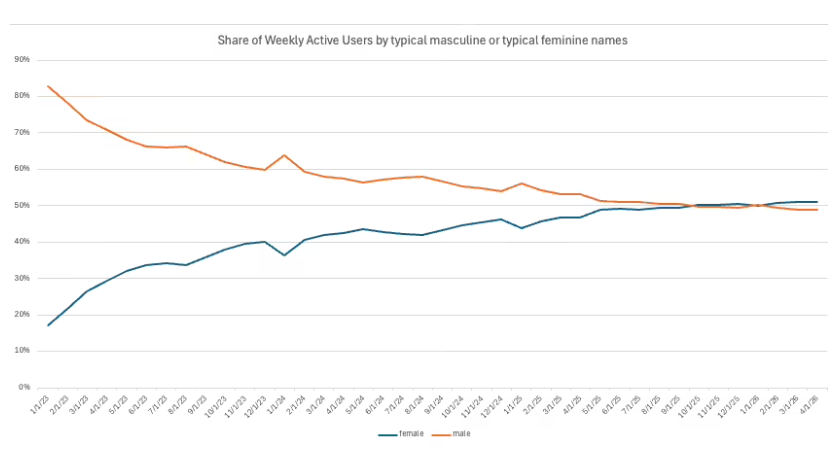
In a landmark shift for AI adoption, women now make up over half of ChatGPT's nearly 1 billion users, reversing early male dominance. OpenAI's latest data shows female users have grown from just 20% at launch to crossing the 50% threshold. The explosive growth comes alongside dramatic computing power expansions, with OpenAI securing infrastructure to power the next generation of AI services.

April 17, 2026
AI trendsChatGPTtechnology adoption
ChatGPT Hits 1 Billion Users as Women Take the Lead
News

ChatGPT Hits 1 Billion Users as Women Take the Lead

OpenAI's ChatGPT has reached a major milestone with nearly 1 billion weekly active users. In a surprising shift, female users now outnumber males, making up over 50% of the user base. This represents a dramatic change from 2022 when women accounted for just 20%. The platform's growing computing power, set to triple annually, promises even better service quality as it continues to dominate the AI chatbot space.

April 17, 2026
ChatGPTAI TrendsOpenAI
News

ChatGPT Becomes a Lifeline in US Hospital Deserts

New data reveals Americans in remote 'hospital desert' areas are turning to ChatGPT for medical advice at staggering rates. With 600,000 weekly health queries coming from regions where hospitals are 30+ minutes away, the AI tool is filling critical gaps in healthcare access. Most consultations happen after hours, highlighting urgent needs when traditional care isn't available. OpenAI continues expanding its healthcare presence, helping families navigate complex medical information.

April 7, 2026
AI healthcaretelemedicinerural health
News

ChatGPT's Ad Business Hits $100M in Just Six Weeks

OpenAI's ChatGPT advertising pilot has surpassed $100 million in annualized revenue within six weeks of launch, far exceeding expectations. The program, currently testing in the U.S., keeps ads completely separate from conversations while protecting user privacy. With plans to expand to Australia, Canada and New Zealand, this success signals a major shift in how AI platforms can monetize their growing user bases.

March 27, 2026
OpenAIChatGPTAI Advertising
OpenAI pulls plug on ChatGPT adult mode and Sora video tool in strategic pivot
News

OpenAI pulls plug on ChatGPT adult mode and Sora video tool in strategic pivot

OpenAI has abruptly halted plans for a controversial 'adult mode' in ChatGPT and shut down its Sora video generation model. The moves come as part of a broader strategic shift away from consumer-facing projects toward enterprise solutions. Industry analysts suggest the company is responding to competitive pressure from Anthropic's growing foothold in business applications.

March 27, 2026
OpenAIChatGPTAI Ethics
News

Encyclopedia Britannica Takes OpenAI to Court Over Alleged Content Theft

The venerable Encyclopedia Britannica has filed a lawsuit against OpenAI, accusing the AI giant of using its copyrighted content without permission to train ChatGPT. The legal battle highlights growing tensions between traditional knowledge providers and AI companies over copyright and attribution issues. With examples of near-identical content reproduction and alleged trademark violations, this case could set important precedents for how AI models use copyrighted materials.

March 20, 2026
AI CopyrightOpenAIEncyclopedia Britannica