
Encyclopedia Britannica Takes OpenAI to Court Over Alleged Content Theft

Encyclopedia Britannica Sues OpenAI in Landmark Copyright Case

The world of artificial intelligence faces another legal showdown as Encyclopedia Britannica and Merriam-Webster file suit against OpenAI. The publishers allege the company used their copyrighted materials without permission to train its GPT models - and the evidence appears striking.

The Heart of the Dispute

According to court documents, OpenAI allegedly copied nearly 100,000 articles, encyclopedia entries, and dictionary definitions. What makes this case particularly compelling? ChatGPT sometimes produces responses that mirror Britannica's content almost word-for-word.

"When users ask specific questions, they're getting answers lifted from our publications," a Britannica spokesperson explained. "But worse, they're often getting them without proper attribution or context."

The lawsuit makes two particularly interesting claims:

  1. Traffic Diversion: By providing complete answers in chat format, ChatGPT allegedly diverts users who might otherwise visit Britannica's website - cutting into their ad revenue.

  2. False Attribution: Sometimes ChatGPT invents facts (the infamous "hallucinations") while claiming they come from Britannica - potentially damaging the publisher's hard-earned reputation for accuracy.

"Imagine someone putting words in your mouth," said Merriam-Webster's legal counsel. "Now imagine those words are factually incorrect, but everyone thinks you said them."

This isn't OpenAI's first copyright rodeo. The company faces multiple lawsuits from authors, publishers and media organizations. Even competitor Anthropic recently settled a similar case for $1.5 billion.

Legal experts see this as part of a broader reckoning for AI companies that have been vague about their training data sources. "The 'black box' approach isn't sustainable," noted tech law professor Amanda Wu. "Courts are demanding transparency about what goes into these models."

What's at Stake?

The outcome could reshape how AI companies operate:

  • Compensation models: Will publishers get paid when their content trains AI?
  • Attribution standards: How should AI systems credit sources?
  • Content verification: What responsibility do AI companies have for factual accuracy?

As one industry insider put it: "This isn't just about the past - it's about setting rules for how knowledge gets created and shared in the AI age."

Key Points:

  • Encyclopedia Britannica alleges OpenAI used 100,000+ copyrighted entries without permission
  • ChatGPT sometimes produces near-identical copies of Britannica content
  • Lawsuit claims both copyright infringement and trademark violations under Lanham Act
  • Case could establish important precedents for AI training data practices
Enjoyed this article?

Subscribe to our newsletter for the latest AI news, product reviews, and project recommendations delivered to your inbox weekly.

Weekly digestFree foreverUnsubscribe anytime

Related Articles

News

OpenAI Wins Appeal: Italian Court Overturns €15 Million Privacy Fine

In a significant legal victory, OpenAI has successfully appealed a €15 million fine imposed by Italian regulators over ChatGPT's data practices. The Rome court's decision lifts financial pressure from the AI developer while raising fresh questions about balancing innovation with privacy protections across Europe. While the full reasoning remains undisclosed, this reversal could influence ongoing AI regulation debates worldwide.

March 20, 2026
OpenAIAI RegulationPrivacy Laws
News

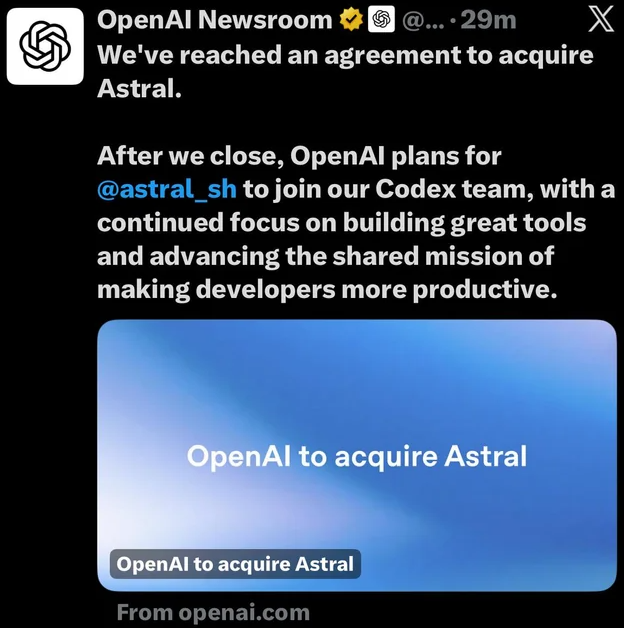
OpenAI Snaps Up Astral to Supercharge Its Coding Assistant

OpenAI has acquired developer tools startup Astral, marking its latest move in the intensifying battle for AI-powered programming dominance. The deal, announced March 19, brings Astral's team under OpenAI's wing to enhance the Codex coding assistant. While financial details remain undisclosed, the acquisition signals OpenAI's aggressive push to stay ahead of rivals like Anthropic and Cursor in the booming AI programming space. This comes amid a broader acquisition spree that's seen OpenAI expand into hardware, security, and healthcare sectors.

March 20, 2026
OpenAIAIProgrammingCodex
OpenAI Bolsters Codex with Astral Acquisition in Strategic Play
News

OpenAI Bolsters Codex with Astral Acquisition in Strategic Play

OpenAI has made another strategic move by acquiring developer tool startup Astral, known for its popular Python tools Ruff and uv. The acquisition aims to strengthen Codex, OpenAI's programming assistant that's seen user numbers triple this year. This comes as part of OpenAI's broader expansion strategy that's included several high-profile acquisitions across different tech sectors.

March 20, 2026
OpenAIAI DevelopmentTech Acquisitions
News

Samsung to Power OpenAI's AI Chips with Next-Gen HBM4 Memory

In a strategic move that could reshape the AI hardware landscape, Samsung has secured a deal to supply its cutting-edge HBM4 memory chips for OpenAI's first custom AI processor. This partnership, part of OpenAI's 'Stargate' project, signals the ChatGPT maker's ambitious push into hardware development. With production slated to begin this year, these chips could give OpenAI the computing muscle to break free from its reliance on Nvidia.

March 20, 2026
AI HardwareSemiconductorsOpenAI
News

ChatGPT's Scientific Judgment Flaws Exposed in New Study

A Washington State University study reveals ChatGPT struggles with complex scientific assessments, often contradicting itself. While the AI appears confident, its accuracy barely surpasses random guessing - especially when identifying false statements. Researchers found the model flip-flopped between 'true' and 'false' answers to identical questions, raising concerns about its reliability for serious decision-making.

March 19, 2026
ChatGPTAI limitationsscientific research
News

Microsoft-OpenAI Partnership Frays Over $50 Billion Amazon Cloud Deal

Microsoft is threatening legal action against OpenAI over its new $50 billion cloud partnership with Amazon, alleging it violates their exclusive agreement. The dispute centers on technical workarounds Amazon and OpenAI developed to bypass Microsoft's Azure requirements. This clash comes at a delicate time for OpenAI as it faces other legal challenges and prepares for a potential IPO. The outcome could reshape power dynamics in the AI industry's infrastructure wars.

March 18, 2026
MicrosoftOpenAIAmazon Web Services