Spotify's Coding Revolution: Top Engineers Now Supervise AI Instead of Writing Code

Spotify's AI-Powered Coding Transformation

In a striking revelation during Spotify's Q4 earnings call, CEO Gustav Söderström shared that the company's most experienced developers haven't manually written any code since December 2025. Instead, artificial intelligence handles all coding tasks while engineers focus on supervising and refining the output.

The 'Honk' System Changing Developer Workflows

The streaming giant has implemented an internal development platform named "Honk" that integrates cutting-edge generative AI technologies like Claude Code. This system enables:

  • Real-time remote coding: Engineers can generate, repair, and deploy code from anywhere
  • Mobile-first workflow: Developers issue commands via Slack during commutes
  • Rapid deployment: New versions push directly to platforms before workdays begin

"What used to take hours now happens during subway rides," Söderström noted. "Our team spends less time debugging syntax and more time solving creative challenges."

Productivity Gains Beyond Expectations

The transition hasn't been without growing pains, but the results speak volumes. In 2025 alone:

  • Over 50 new features launched via AI toolchains
  • iOS app updates deployed 40% faster
  • Critical bug fixes implemented within hours instead of days

The CEO emphasized this isn't just about efficiency: "When we free brilliant minds from repetitive tasks, they design better experiences for our users."

The Inevitable Shift Toward AI-Assisted Development

Söderström made Spotify's position clear to investors: "AI-powered development isn't optional anymore - it's how we stay competitive." While some engineers initially resisted the change, many now appreciate focusing on architecture and user experience rather than boilerplate code.

The company plans to expand Honk's capabilities throughout 2026, potentially licensing the technology to other firms facing similar scaling challenges.

Key Points:

  1. Spotify's senior developers transitioned fully to AI-supervised coding in late 2025
  2. The 'Honk' system allows mobile coding via Slack with rapid deployment
  3. Over 50 features deployed via AI toolchains demonstrated significant productivity gains
  4. Company leadership views AI-assisted development as an industry inevitability
Enjoyed this article?

Subscribe to our newsletter for the latest AI news, product reviews, and project recommendations delivered to your inbox weekly.

Weekly digestFree foreverUnsubscribe anytime

Related Articles

News

Apple Stands Firm: Next-Gen Siri Still on Track Despite Rumors

Apple has officially denied reports suggesting delays to its AI-powered Siri upgrade, confirming the virtual assistant's overhaul remains scheduled for 2026. The tech giant's statement comes after speculation about technical hurdles caused temporary stock dips. The new Siri promises groundbreaking features like screen awareness and personalized understanding, though analysts note Apple avoided addressing potential minor rollout adjustments.

February 13, 2026
AppleSiriAI Assistants
China's GLM-5 AI Model Breaks Into Global Top Four
News

China's GLM-5 AI Model Breaks Into Global Top Four

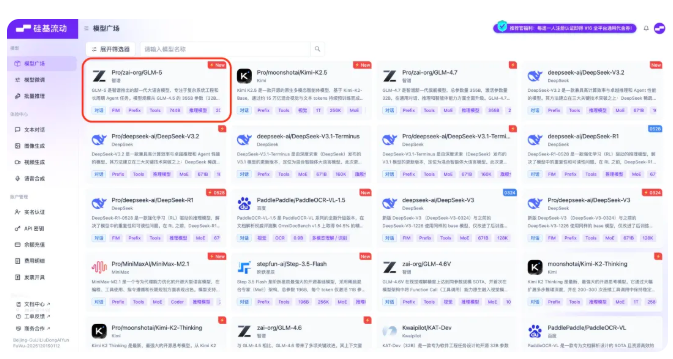
China's AI sector celebrates a major achievement as Zhipu AI's GLM-5 model climbs to fourth place in global rankings, matching Anthropic's Claude Opus4.5. The newly open-sourced model boasts impressive upgrades including doubled parameter size and cutting-edge architecture improvements. Developers can now access its high-speed version through Silicon Flow AI Cloud.

February 13, 2026
AI DevelopmentChinese TechLarge Language Models
News

MiniMax M2.5 Shakes Up AI Landscape with Claude-Rivaling Coding Skills

MiniMax has dropped a bombshell in the AI world with its new M2.5 model, boasting programming capabilities that rival Claude Opus 4.6. What makes this release special? The lean 10B-parameter architecture delivers astonishing 100 TPS throughput while maintaining top-tier performance. Investors clearly like what they see - MiniMax's market cap skyrocketed past $180 billion following the announcement.

February 12, 2026
Artificial IntelligenceProgramming ModelsTech Innovation
China's AI Race Heats Up as Zhipu and MiniMax Unveil Powerful New Models
News

China's AI Race Heats Up as Zhipu and MiniMax Unveil Powerful New Models

China's artificial intelligence landscape just got more competitive with simultaneous launches from two major players. Zhipu AI's GLM-5 boasts nearly double the parameters of its predecessor, while MiniMax surprises with its rapid-fire 2.5 update just weeks after version 2.2. Both models sharpen their focus on programming prowess and intelligent agent capabilities, signaling China's push to match global AI leaders.

February 12, 2026
AI DevelopmentChinese TechMachine Learning
ByteDance Nears Mass Production of Homegrown AI Chip to Challenge NVIDIA
News

ByteDance Nears Mass Production of Homegrown AI Chip to Challenge NVIDIA

ByteDance is reportedly finalizing its first AI processor, codenamed 'SeedChip,' with plans to manufacture at least 100,000 units this year through Samsung. While the company calls recent reports 'inaccurate,' its massive $2.3 billion AI hardware budget reveals growing ambitions to reduce reliance on NVIDIA chips. The move comes as AI video generation demands skyrocket, turning computing power into a strategic battleground.

February 11, 2026
SemiconductorsAI HardwareTech Innovation
News

Zhipu AI's GLM-5 Leak Sparks Market Frenzy

China's AI landscape got shaken up during the Spring Festival as details about Zhipu AI's powerful GLM-5 model leaked online. The revelation sent company stocks soaring 200%, with investors clearly excited about its DeepSeek-inspired architecture and impressive capabilities. What makes this model special? It handles massive amounts of data efficiently while adding video understanding - addressing a key weakness in previous models.

February 11, 2026
AI DevelopmentChinese TechMachine Learning