China's AI Race Heats Up as Zhipu and MiniMax Unveil Powerful New Models

Chinese Tech Firms Accelerate AI Arms Race

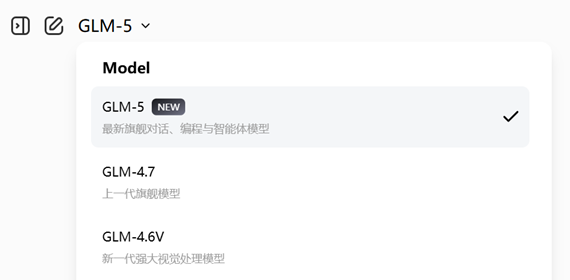
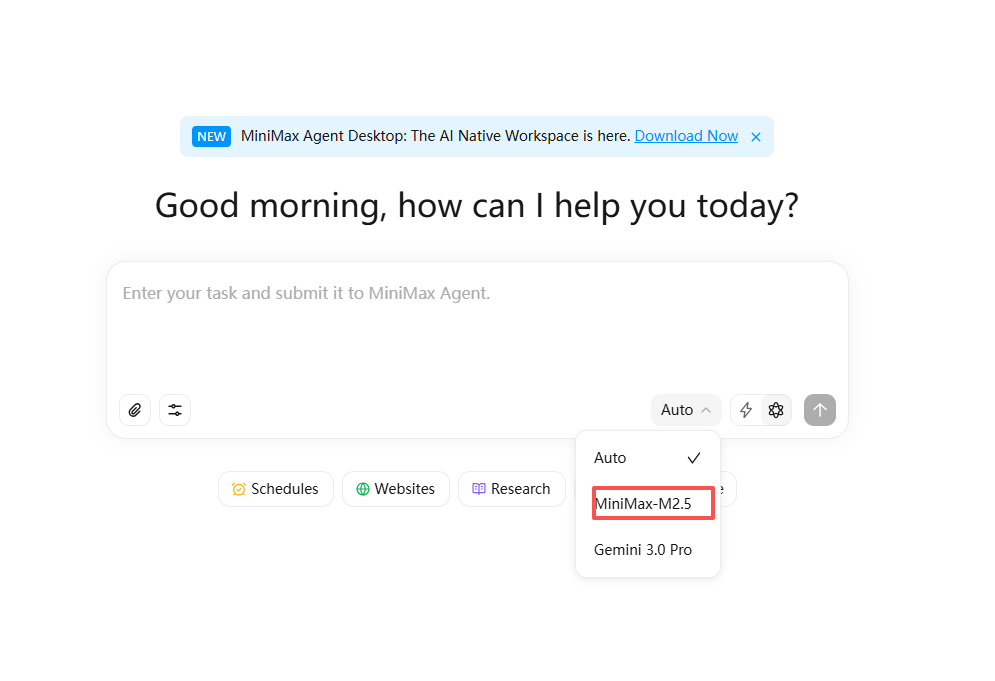
The Spring Festival holiday didn't slow China's artificial intelligence developers, with two major players dropping significant upgrades today. Zhipu AI unveiled its GLM-5 model while MiniMax introduced version 2.5 of its system - both aiming to push domestic AI capabilities forward.
Image

Zhipu Raises the Bar with GLM-5

Available now on z.ai, GLM-5 represents Zhipu's most advanced offering yet. This versatile model handles everything from casual conversations to complex programming tasks, employing cutting-edge techniques like Sparse Attention (DSA) and Multi-Token Prediction (MTP).

The numbers impress:

  • 745 billion parameters (double GLM-4.7's count)
  • 78 hidden layers working in concert
  • 256 expert modules (with 8 active simultaneously)
  • Supports context windows stretching 202K tokens

"We're seeing Chinese firms close the gap rapidly," observes tech analyst Li Wei. "These specs compete directly with Western models that dominated headlines last year."

MiniMax Surprises With Lightning Update

Just over a month since version 2.2 debuted, MiniMax returns with substantial improvements:

  • Enhanced programming assistance
  • More sophisticated intelligent agents
  • Faster response times across applications

The compressed development cycle suggests intense competition among domestic AI labs. "They're iterating at startup speed," notes Shanghai-based developer Chen Yiming, "but with enterprise-level resources."
Image

What This Means for Users

Both upgrades specifically target professional users:

  1. Developers gain smarter coding assistants
  2. Businesses access more capable automation tools
  3. Researchers obtain powerful new platforms for experimentation

The parallel launches underscore China's coordinated push toward AI independence - though challenges remain in matching OpenAI's GPT series for general conversational ability.

Key Points:

  • Zhipu GLM-5 doubles down on parameter count and technical sophistication
  • MiniMax accelerates its release cadence dramatically
  • Programming and automation capabilities take center stage
  • Domestic competition drives rapid innovation cycles
Enjoyed this article?

Subscribe to our newsletter for the latest AI news, product reviews, and project recommendations delivered to your inbox weekly.

Weekly digestFree foreverUnsubscribe anytime

Related Articles

News

Zhipu AI's GLM-5 Leak Sparks Market Frenzy

China's AI landscape got shaken up during the Spring Festival as details about Zhipu AI's powerful GLM-5 model leaked online. The revelation sent company stocks soaring 200%, with investors clearly excited about its DeepSeek-inspired architecture and impressive capabilities. What makes this model special? It handles massive amounts of data efficiently while adding video understanding - addressing a key weakness in previous models.

February 11, 2026
AI DevelopmentChinese TechMachine Learning
News

Chinese Tech Firms Achieve Breakthrough in AI Hardware-Model Integration

Moortu's MTT S5000 GPU has achieved full compatibility with Zhipu's advanced GLM-5 AI model, marking a significant step forward for China's domestic AI ecosystem. This breakthrough promises more efficient large-scale model training and deployment while reducing reliance on foreign technology. The collaboration demonstrates growing maturity in China's independent AI infrastructure.

February 12, 2026
AI HardwareChinese TechnologyMachine Learning
News

Kimi's Computing Crunch Sparks Unlikely AI Alliance

When Moonshot AI's Kimi chatbot hit computing limits during peak traffic, it did something unexpected - it recommended users try rival DeepSeek instead. This surprising move highlights both the explosive growth of China's AI sector and the industry-wide scramble for computing resources. The candid response won praise online for its transparency amid what analysts call 'growing pains' for domestic large language models.

February 10, 2026
AI IndustryComputing PowerChinese Tech
News

Baidu Quietly Rolls Out 'Project O' Ahead of Lunar New Year

Baidu has discreetly initiated 'Project O,' focusing on enhancing AI capabilities within its flagship app. With three AI platforms already boasting over 100 million users each, this move signals Baidu's commitment to strengthening its position in China's competitive AI landscape. The timing coincides with Baidu's massive Spring Festival campaign, suggesting potential AI-powered features for holiday interactions.

February 10, 2026
BaiduArtificial IntelligenceChinese Tech
Cursor's Composer1.5: A Quantum Leap in AI Coding Assistance
News

Cursor's Composer1.5: A Quantum Leap in AI Coding Assistance

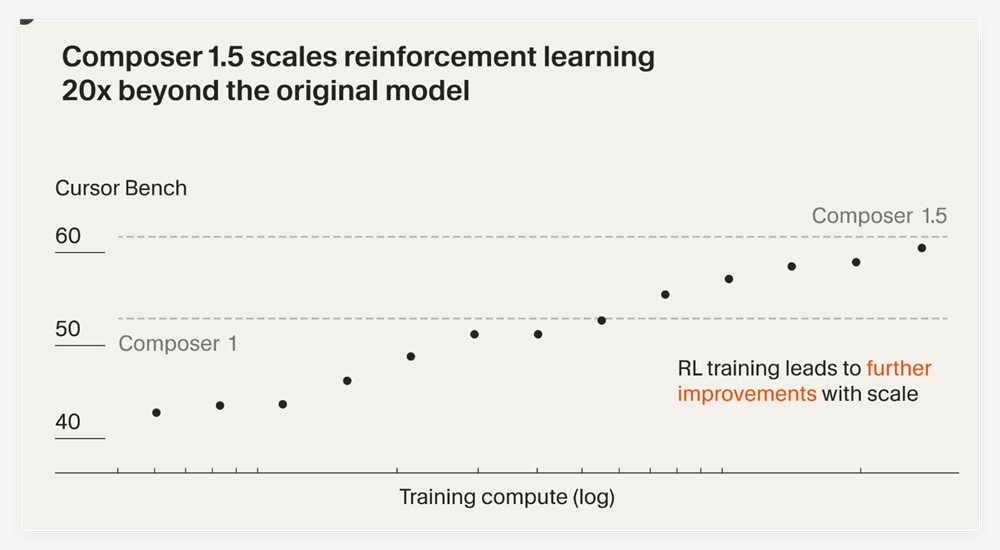
Cursor has unveiled Composer1.5, its most advanced coding assistant yet. The new model boasts a 20x boost in reinforcement learning capacity, delivering smarter responses and tackling complex tasks with unprecedented efficiency. What really sets it apart? A clever 'self-summarization' feature that keeps long coding sessions on track, plus intelligent pacing that knows when to think deep and when to respond fast.

February 10, 2026
AI ProgrammingDeveloper ToolsMachine Learning
Alibaba's Qwen3.5 AI Model Nears Release with Vision-Language Capabilities
News

Alibaba's Qwen3.5 AI Model Nears Release with Vision-Language Capabilities

Alibaba's next-generation AI model Qwen3.5 appears ready for launch, with code appearing in the HuggingFace repository. The model reportedly features a hybrid attention mechanism and may debut as a native vision-language model (VLM). Developers have spotted references to both a compact 2B dense model and a more powerful 35B-A3B MoE variant. If current rumors hold true, Chinese New Year celebrations might coincide with this significant open-source release in the AI community.

February 9, 2026
AIMachine LearningAlibaba