Senate Embraces AI Assistants: ChatGPT and Gemini Get Official Green Light

AI Comes to Capitol Hill: Senate Approves Chatbots for Official Use

The halls of power are getting a tech upgrade. This week, the U.S. Senate quietly crossed a digital Rubicon by approving five artificial intelligence assistants—including household names like ChatGPT and Google Gemini—for official government work.

Digital Assistants Get Security Clearance

According to internal documents obtained by The New York Times, Senate staffers received authorization Monday to use Microsoft Copilot (already integrated into their systems), along with Google's Gemini and OpenAI's ChatGPT platforms. These AI tools promise to transform how legislation gets crafted—helping with everything from drafting bills to summarizing complex reports.

"This isn't about replacing human judgment," explains one senior aide who spoke on condition of anonymity. "It's about giving our overworked staff better tools to handle the avalanche of information we deal with daily."

The approved AI systems come with strict guardrails. Microsoft Copilot operates within the secure Microsoft 365 Government environment, where all data receives the same protection as classified Senate materials. But interestingly, each congressional office maintains autonomy over how—or whether—to use these new digital aides.

Security Concerns Linger Behind Closed Doors

While junior staffers might celebrate having AI research assistants, security-conscious lawmakers remain cautious. The memo specifically warns against inputting classified information into any chatbot system—a prohibition that creates practical challenges for committees handling national security matters.

"We're walking a tightrope," admits a House staffer whose chamber adopted similar tools earlier this year. "These AIs can analyze thousands of pages in minutes, but we can't feed them the most sensitive material they might need to understand."

The Senate's move follows the House of Representatives' earlier adoption of AI tools including Anthropic's Claude model. Together, these approvals signal Washington's gradual acceptance that artificial intelligence will reshape governance—whether policymakers are ready or not.

Key Points:

  • Five AI chatbots approved for Senate use including ChatGPT and Gemini
  • Microsoft Copilot gets special integration with government security protocols
  • No unified guidelines exist yet—each office sets its own AI rules
  • House of Representatives previously adopted similar technologies
  • Security concerns persist regarding classified information handling
Enjoyed this article?

Subscribe to our newsletter for the latest AI news, product reviews, and project recommendations delivered to your inbox weekly.

Weekly digestFree foreverUnsubscribe anytime

Related Articles

News

ChatGPT Gets a Video Upgrade: OpenAI Merges Sora to Boost Creativity

OpenAI is shaking things up by bringing its Sora video generator directly into ChatGPT. This bold move aims to supercharge the platform's creative tools while helping OpenAI reach its ambitious goal of 1 billion weekly users. But merging these powerful AI technologies won't come cheap - the company expects astronomical computing costs exceeding $225 billion through 2030.

March 11, 2026
OpenAIChatGPTAI video
ChatGPT Leads Global AI Race While Regional Players Gain Ground
News

ChatGPT Leads Global AI Race While Regional Players Gain Ground

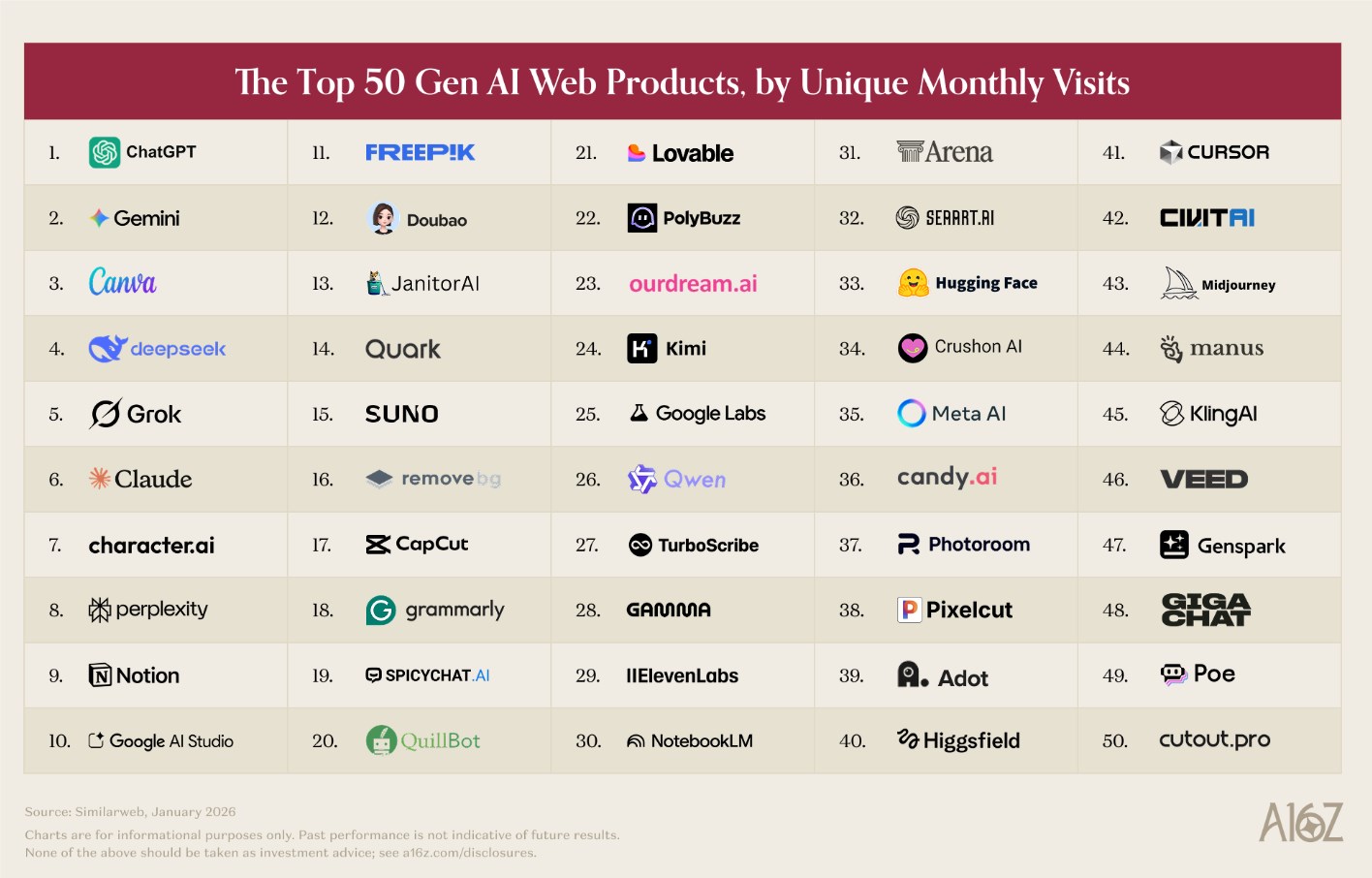
Silicon Valley VC firm a16z reveals ChatGPT remains the undisputed leader in consumer AI applications, with weekly users now topping 500 million. But the landscape is shifting - Gemini and Claude show explosive growth, while regional players like China's DeepSeek carve out local strongholds. The report highlights how cultural ecosystems are reshaping global AI competition.

March 11, 2026
AI TrendsChatGPTGenerativeAI
News

Google's Gemini AI Now Assisting Pentagon Staff

Google has rolled out its Gemini AI system to over 3 million U.S. Department of Defense personnel, marking a major step in military-tech collaboration. The AI currently handles administrative tasks on unclassified networks, with potential expansion to classified systems under review. Early adoption shows strong demand, though training lags behind usage.

March 11, 2026
AI in governmentDefense technologyGoogle Gemini
Atlas Browser Gets Smarter: Now Handles Multiple ChatGPT Accounts
News

Atlas Browser Gets Smarter: Now Handles Multiple ChatGPT Accounts

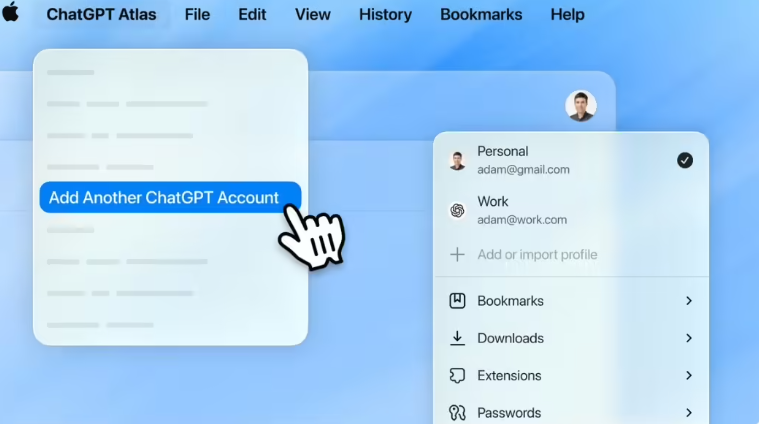
OpenAI's Atlas browser just leveled up with a much-requested feature: multi-account support. Users can now seamlessly switch between work and personal ChatGPT accounts without mixing conversations or preferences. Product manager Adam Fry calls this the 'final hurdle' for many considering Atlas as their main browser. The update continues Atlas' rapid evolution from experimental AI tool to full-fledged productivity browser.

March 11, 2026
OpenAIAtlas BrowserChatGPT
News

ChatGPT Now Recognizes Songs Like a Music-Savvy Friend

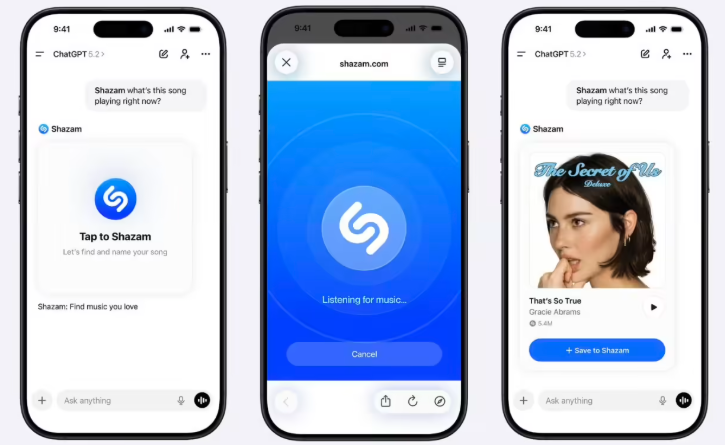
Apple and OpenAI have teamed up to bring Shazam's music recognition directly into ChatGPT. No more app switching - just ask ChatGPT what song is playing, and it'll identify it instantly. The feature works across devices, even syncing with your music library. After identifying a track, you can even ask ChatGPT to create a playlist around it. It's like having a music expert in your pocket, ready to name that tune whenever inspiration strikes.

March 10, 2026
ChatGPTShazammusic recognition
ChatGPT Now Recognizes Songs Like Shazam - Here's How It Works
News

ChatGPT Now Recognizes Songs Like Shazam - Here's How It Works

OpenAI has teamed up with Shazam to bring music recognition directly into ChatGPT. No more switching apps when you hear that catchy tune - just ask ChatGPT what's playing and get instant results. The integration lets users identify songs through simple voice or text commands, complete with artist info and preview clips. It's like having a music-savvy friend in your chat.

March 10, 2026
OpenAIChatGPTShazam