OpenAI Unveils Prism: A Game-Changer for Scientific Collaboration

OpenAI's Prism: Revolutionizing Scientific Workflows

In a move that could transform how researchers work, OpenAI has introduced Prism, a specialized platform designed to streamline scientific collaboration. Powered by the cutting-edge GPT-5.2 model, this innovative workspace promises to solve one of academia's most persistent headaches: the constant switching between disparate tools during research and writing.

Why Researchers Need Prism

The development comes as no surprise to those tracking AI adoption patterns. OpenAI's internal data reveals that scientists and mathematicians are among ChatGPT's most active users, sending messages at 3.5 times the rate of average users. This intense engagement highlighted a clear need for specialized tools.

"We kept hearing from researchers about how much time they waste moving between applications," explains an OpenAI spokesperson. "Prism brings everything together in one intelligent workspace."

Inside Prism's Feature Set

The platform combines:

  • A sophisticated text editor with LaTeX support
  • Built-in PDF reader and annotation tools
  • Smart reference management system
  • AI chat interface powered by GPT-5.2

The integration extends beyond basic functionality. Researchers can now:

  • Convert hand-drawn sketches into polished LaTeX diagrams automatically
  • Have the AI assist with complex mathematical reconstructions
  • Use voice commands for hands-free editing
  • Collaborate in real-time through shared cloud spaces

The underlying technology builds on Crixet, a cloud-based LaTeX platform OpenAI acquired last year.

The Thinking Model Advantage

At Prism's core lies GPT-5.2's "Thinking" model—a specialized version fine-tuned for scientific reasoning. Unlike general-purpose AI assistants, this system understands academic workflows intimately.

Imagine drafting a research paper while your AI collaborator:

  • Suggests improvements to your methodology section
  • Helps reconstruct equations from rough notes
  • Automatically formats citations All without leaving the document you're working on.

The implications extend beyond convenience—this could fundamentally change how quickly research moves from idea to publication.

Availability and Future Plans

Currently available free to ChatGPT users, Prism will roll out to Business and Enterprise plans in coming weeks. OpenAI sees 2026 as pivotal year for research efficiency transformation.

The timing couldn't be better—as academic workloads increase globally, tools like Prism may prove essential rather than optional.

Key Points:

  • Integrated Workspace: Combines writing, compiling, referencing and collaboration tools
  • GPT-Powered: Leverages specialized GPT-5.2 capabilities for scientific tasks
  • Real-Time Collaboration: Multiple researchers can work simultaneously via cloud sharing
  • Accessible Pricing: Free tier available with premium features coming soon
Enjoyed this article?

Subscribe to our newsletter for the latest AI news, product reviews, and project recommendations delivered to your inbox weekly.

Weekly digestFree foreverUnsubscribe anytime

Related Articles

News

Musk Demands $13.4 Billion from OpenAI in High-Stakes April Trial

Elon Musk's explosive lawsuit against OpenAI heads to trial this April, with the tech mogul demanding a staggering $13.4 billion compensation. The case centers on Musk's claim that his early $38 million donation should translate to a massive stake in OpenAI's current valuation. While Judge Rogers questioned Musk's compensation logic, she allowed key expert testimony to stand - keeping Musk's case alive against accusations of 'harassment' from OpenAI.

March 16, 2026
Elon MuskOpenAIArtificial Intelligence
OpenAI's Sora Video API Gets Major Upgrade with Character Consistency and Longer Clips
News

OpenAI's Sora Video API Gets Major Upgrade with Character Consistency and Longer Clips

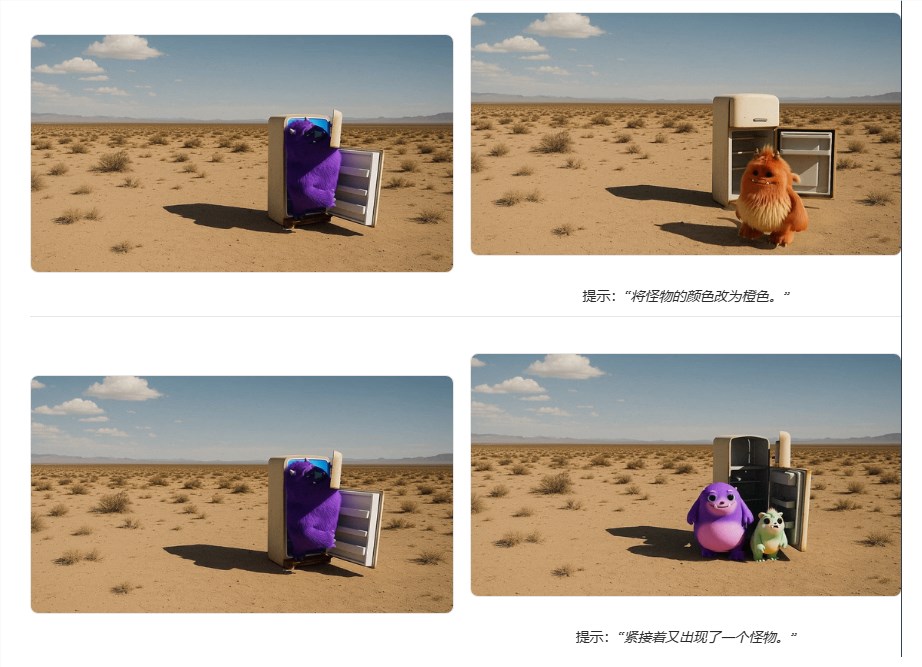
OpenAI has rolled out significant improvements to its Sora video generation API, making life easier for content creators. The update introduces character consistency - no more random facial changes between scenes - and extends maximum video length to 20 seconds. Creators can now generate both landscape and portrait versions simultaneously, eliminating tedious reformatting. These changes promise to streamline production for ads, short films, and social media content.

March 13, 2026
OpenAIvideo generationAI tools
OpenAI Bolsters AI Safety with Strategic Promptfoo Acquisition
News

OpenAI Bolsters AI Safety with Strategic Promptfoo Acquisition

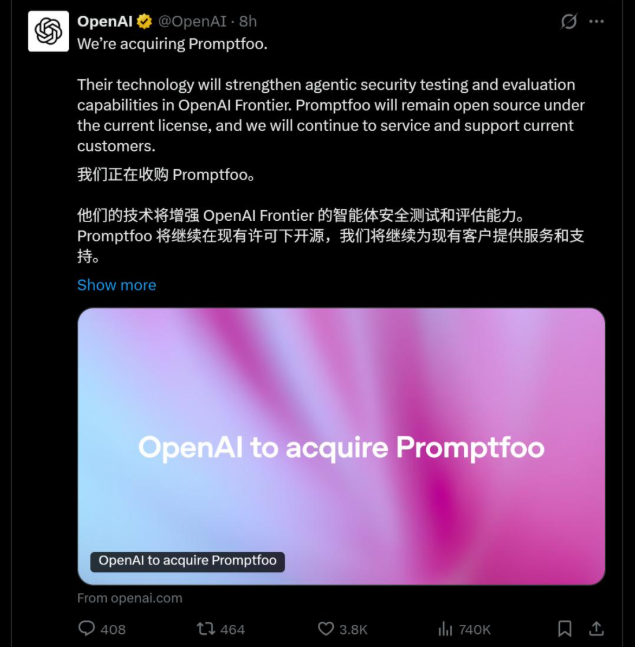
OpenAI has acquired AI safety startup Promptfoo in a move to strengthen its smart agent security framework. The small but mighty 23-person team behind Promptfoo developed an open-source evaluation tool now used by over 350,000 developers and 25% of Fortune 500 companies. This acquisition signals OpenAI's commitment to making AI systems safer as they become increasingly integrated into business workflows.

March 11, 2026
AI SafetyOpenAITech Acquisitions
News

ChatGPT Gets a Video Upgrade: OpenAI Merges Sora to Boost Creativity

OpenAI is shaking things up by bringing its Sora video generator directly into ChatGPT. This bold move aims to supercharge the platform's creative tools while helping OpenAI reach its ambitious goal of 1 billion weekly users. But merging these powerful AI technologies won't come cheap - the company expects astronomical computing costs exceeding $225 billion through 2030.

March 11, 2026
OpenAIChatGPTAI video
Atlas Browser Gets Smarter: Now Handles Multiple ChatGPT Accounts
News

Atlas Browser Gets Smarter: Now Handles Multiple ChatGPT Accounts

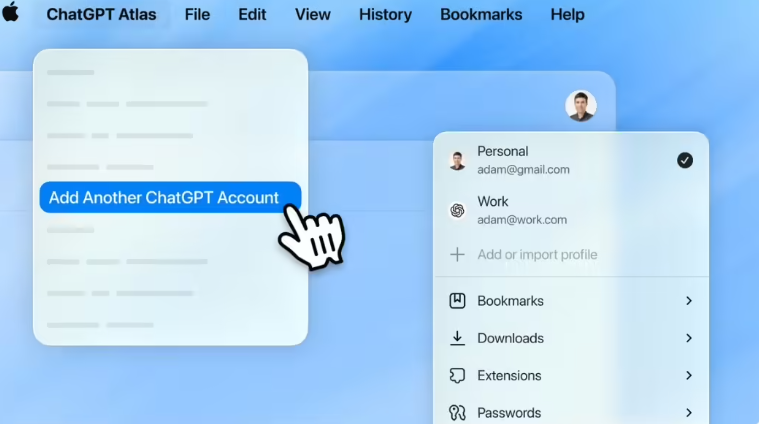
OpenAI's Atlas browser just leveled up with a much-requested feature: multi-account support. Users can now seamlessly switch between work and personal ChatGPT accounts without mixing conversations or preferences. Product manager Adam Fry calls this the 'final hurdle' for many considering Atlas as their main browser. The update continues Atlas' rapid evolution from experimental AI tool to full-fledged productivity browser.

March 11, 2026
OpenAIAtlas BrowserChatGPT
News

Gracenote takes OpenAI to court over alleged data theft for AI training

Nielsen's Gracenote has filed a lawsuit against OpenAI, accusing the AI giant of illegally scraping its proprietary media metadata to train models like ChatGPT. The company claims its carefully curated database - painstakingly assembled by human editors - was copied without permission, threatening its entire business model. While OpenAI maintains it only uses publicly available data, this case could set important precedents for how AI companies source training materials.

March 11, 2026
AI litigationcopyright lawmetadata