
OpenAI's Ilya Sutskever Predicts AI Will Master All Human Tasks

During a recent address at the University of Toronto, Ilya Sutskever, OpenAI's Chief Scientist and AI luminary, delivered a compelling vision of artificial intelligence's future trajectory. The event marked a homecoming for Sutskever, who earned his bachelor's degree at the institution two decades ago and has since become one of AI's most influential figures.
Image

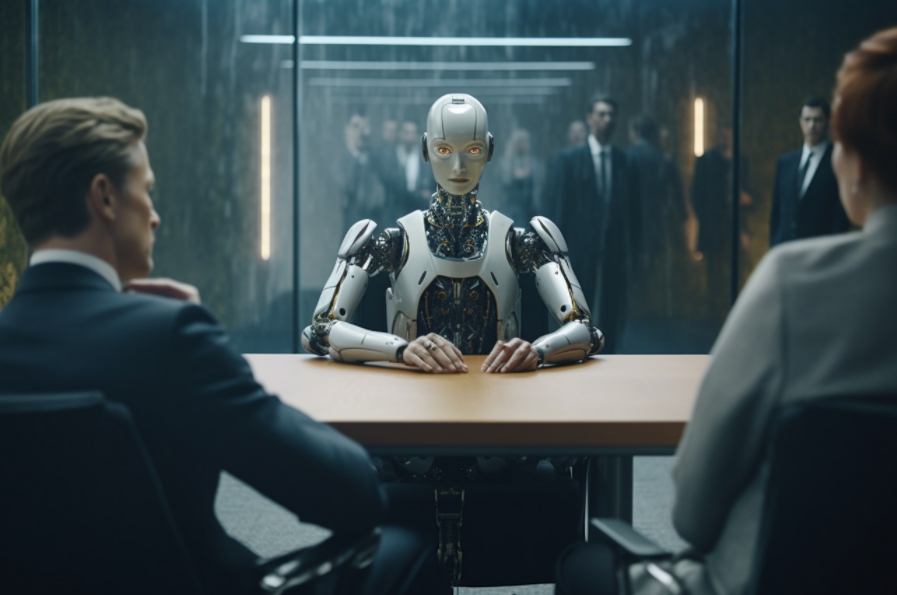
Image Source Note: Image generated by AI, licensed by MidJourney

Reflecting on his academic journey, Sutskever credited his mentor Geoffrey Hinton, the AI pioneer often called the "Godfather of Deep Learning," for inspiring his scientific career. His speech blended personal philosophy with technological forecasting, offering attendees both practical wisdom and startling predictions.

Beyond Regret: A Framework for Progress Sutskever challenged conventional thinking about personal growth, arguing that dwelling on past mistakes creates stagnation. "Accepting reality while relentlessly improving the present—that's where transformation happens," he asserted. This mindset, he suggested, applies equally to individuals and organizations navigating technological disruption.

The AI Revolution: Faster Than Expected Turning to artificial intelligence, Sutskever described our era as uniquely pivotal. "AI isn't just changing specific industries—it's rewriting the rules of learning and productivity across all sectors," he observed. While some professions already feel this seismic shift, others remain temporarily insulated from its full impact.

The OpenAI scientist made a striking prediction: "The human brain is biological hardware running sophisticated algorithms. There's no fundamental reason artificial systems can't eventually replicate all human capabilities." Current AI systems, while impressive, still exhibit limitations—but Sutskever believes these gaps will close faster than many anticipate.

The Coming Challenge: Life After Human Labor Perhaps most provocatively, Sutskever posed a question that could define this century: "When machines can perform every job better than humans, how do we structure society?" He framed this not as dystopian speculation but as an imminent policy challenge requiring urgent attention from economists, educators, and technologists alike.

The rapid pace of advancement surprised even seasoned observers in the audience. "We're not talking about distant science fiction," Sutskever emphasized. "These transformations will become visible within years, not decades."

While acknowledging uncertainties about AI's ultimate societal impact, the scientist remained optimistic about its potential to accelerate human progress—provided we navigate its challenges wisely. His message concluded with a call to action: understanding and guiding AI's development may be humanity's most consequential undertaking.

Key Points

  1. Personal growth requires focusing on present improvement rather than past regrets
  2. AI development is progressing rapidly enough to eventually replicate all human capabilities
  3. Society must prepare for structural changes when machines outperform humans in all tasks
  4. The timeline for advanced AI may be shorter than conventional predictions suggest

Enjoyed this article?

Subscribe to our newsletter for the latest AI news, product reviews, and project recommendations delivered to your inbox weekly.

Weekly digestFree foreverUnsubscribe anytime

Related Articles

News

Xiaomi's MiMo AI Model Goes Paid: Token Plans Start at 39 Yuan

Xiaomi has rolled out its first paid subscription plans for the MiMo large language model, offering four pricing tiers from 39 to 659 yuan per month. The plans give developers and AI enthusiasts access to three core models, marking Xiaomi's shift from free beta testing to monetizing its AI ecosystem. This move reflects the industry's broader transition towards sustainable AI business models.

April 3, 2026
XiaomiAI ModelsTech Subscriptions
News

OpenAI's Stealth Funding of Child Safety Group Raises Eyebrows

A new children's safety alliance pushing for AI regulations has come under scrutiny after revelations that OpenAI secretly bankrolled the effort. Several organizations joined what they thought was an independent coalition, only to discover the ChatGPT maker's involvement later. Critics question whether this covert approach undermines trust in the tech giant's commitment to child safety.

April 3, 2026
OpenAIAI regulationchild safety
News

Indian AI Startup Sarvam Lands $350M with Amazon and NVIDIA Backing

Bangalore-based AI startup Sarvam AI is closing a massive funding round worth up to $350 million, with tech giants Amazon and NVIDIA joining the investor lineup. The deal could value the young company at over $1.5 billion, marking a significant milestone for India's growing AI ecosystem. Sarvam's focus on local language models and voice-first AI solutions has attracted global attention in the competitive artificial intelligence space.

April 3, 2026
Artificial IntelligenceStartup FundingIndian Tech
OpenAI Pivots from Video to Podcasts with TBPN Acquisition
News

OpenAI Pivots from Video to Podcasts with TBPN Acquisition

In a surprising strategic shift, OpenAI has acquired popular tech podcast TBPN just weeks after shuttering its Sora video app. The move signals OpenAI's growing focus on shaping AI conversations rather than just creating tools. While promising editorial independence, this acquisition raises questions about tech giants controlling media narratives in the AI era.

April 3, 2026
OpenAITechMediaAIPolicy
News

China Backs Meta's AI Startup Deal With Clear Legal Conditions

China's commerce ministry has given cautious approval to Meta's acquisition of AI startup Manus, emphasizing that all tech deals must follow Chinese laws. The move signals Beijing's balancing act between encouraging innovation and maintaining regulatory oversight in the fast-growing AI sector. Analysts see this as Meta's strategic push to strengthen its position in general artificial intelligence.

April 3, 2026
MetaArtificial IntelligenceChina Tech Policy
News

ORCA Lab 1.0 Brings Physical AI Development to Your Laptop

Shanghai Songying Technology has unveiled ORCA Lab 1.0, China's first physical AI platform designed for individual developers. This groundbreaking tool eliminates the need for expensive hardware and complex coding, allowing anyone to create and train robots using just a standard laptop. The platform's no-code approach and full life cycle support could democratize embodied intelligence development, potentially accelerating innovation in this cutting-edge field.

April 3, 2026
Artificial IntelligenceRoboticsTech Innovation