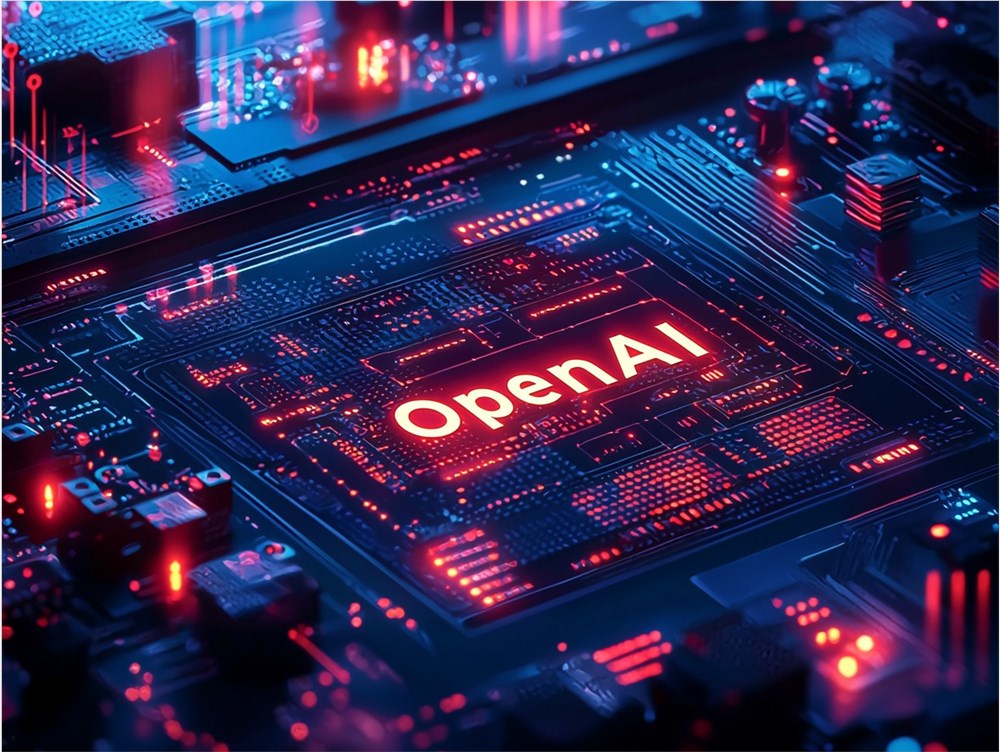
OpenAI's Computing Costs Skyrocket to $110 Billion by 2028
OpenAI's Massive Computing Investment Signals AI Boom
Barclays' latest research paints a startling picture of OpenAI's growing appetite for computing power. By 2028, the company expects to spend a staggering $110 billion annually on computational resources - enough to make even tech giants blink.
Revenue Growth Fuels Computing Expansion
The spending surge comes as OpenAI outperforms its own financial projections. CEO Sam Altman revealed that 2025 revenues came in 15% higher than internal forecasts. More remarkably, the company now expects to hit $90 billion in revenue by 2027 - a 50% increase from previous estimates.
"These numbers show AI isn't just hype," says tech analyst Maria Chen. "When companies start generating real revenue at this scale, it validates the entire industry."
Preparing for the Next AI Leap
OpenAI isn't just spending - it's strategically positioning itself for future breakthroughs:
- $450 billion budgeted for computing between 2024-2030
- 10-year contracts worth $650 billion signed with Microsoft and Oracle
- $43 billion reserved specifically for "recursive self-improvement" technology
The company is already developing GPT-6 and Sora3 models, but the real game-changer may come between 2027-2028 when AI systems could begin autonomously improving themselves.
Global Infrastructure Race Heats Up
The ripple effects extend far beyond OpenAI:
- Global AI data center capacity expected to double by 2030
- Competitors like Google and Meta ramping up investments
- Semiconductor manufacturers expanding production of specialized AI chips
"We're witnessing an infrastructure arms race," notes Barclays analyst James Wong. "Whoever controls the most computing power will lead the next phase of AI development."
Key Points:
- 💻 $110B computing budget: OpenAI's projected peak spending in 2028
- 🤝 Massive partnerships: $650B in contracts with Microsoft/Oracle
- 🌍 Global impact: Data centers worldwide scrambling to meet demand
- 🚀 Tech race intensifies: Competitors forced to match OpenAI's bets