NVIDIA's Huang Calls OpenClaw a Game-Changer After Record Adoption
NVIDIA CEO Hails OpenClaw's Meteoric Rise
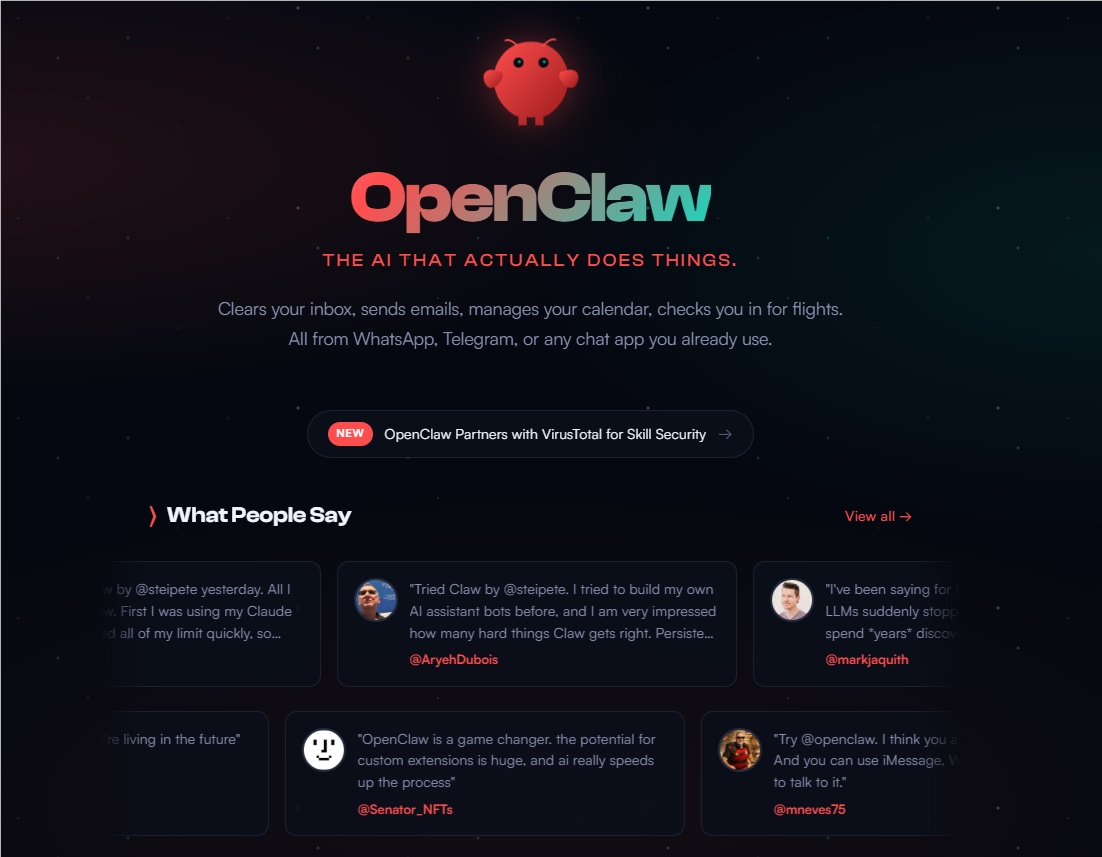
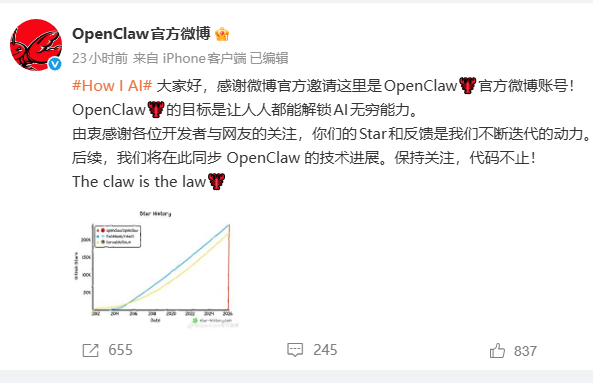
In what industry observers are calling a watershed moment for agentic AI, NVIDIA CEO Jensen Huang delivered glowing praise for OpenClaw during his keynote at the Morgan Stanley Technology Conference last week. The open-source project has shattered adoption records, achieving in mere weeks what took established platforms years to accomplish.
"When we talk about transformative technologies," Huang told attendees, "OpenClaw represents something truly special." He didn't mince words when comparing its trajectory to Linux's gradual rise: "Thirty years versus three weeks - those numbers speak for themselves."
The Five-Layer AI Cake
The visionary executive used the occasion to outline his framework for understanding AI's infrastructure needs:
- Energy layer: The foundational power requirements
- Chip and computing infrastructure: Hardware backbone
- Cloud data centers: Distributed processing hubs
- AI models: The brains behind operations
- Application layer: Where end-users experience the technology
"It's that top application layer," Huang emphasized, "that's creating incredible value right now." He explained how agentic AI systems like OpenClaw consume vastly more computing resources than traditional models - sometimes requiring up to 1,000 times more processing power due to their ability to handle complex, long-context tasks.
Addressing the Compute Crunch
The staggering demand created by these advanced systems hasn't gone unnoticed at NVIDIA. Company engineers are already retooling their roadmap to meet these new challenges head-on. Their upcoming Vera Rubin architecture promises specialized optimizations for long-context processing through enhanced memory components and their innovative ICMS platform.
What makes OpenClaw's success particularly noteworthy? Unlike many proprietary solutions, its open-source nature allows developers worldwide to contribute and adapt the technology freely. This collaborative approach appears to be fueling its unprecedented adoption rates.
The implications extend far beyond download statistics. As Huang noted: "We're witnessing a fundamental shift in how AI integrates with human workflows." With agentic systems now capable of replicating complex human tasks with increasing accuracy, industries across the board are reassessing their technological roadmaps.
Key Points:
- OpenClaw achieved record adoption faster than any previous open-source project
- NVIDIA sees agentic AI creating massive new demand for computing power
- Upcoming Vera Rubin architecture specifically targets long-context processing needs
- The application layer is currently driving most value in AI ecosystems