Meta Bets Big on Custom AI Chips to Break Free from Tech Giants

Meta's Silicon Dreams: Building Chips for an AI Future

While most companies are scrambling to buy Nvidia's latest GPUs, Meta is taking a different path. The social media giant isn't just content with being another customer in the AI gold rush - it's determined to make its own picks and shovels.

At the recent Morgan Stanley Technology Conference, Meta CFO Susan Li dropped a bombshell: the company is developing custom chips that could eventually power its most demanding AI workloads. This isn't some distant moonshot either - Meta has already deployed first-generation chips for recommendation systems across its platforms.

From Recommendations to Revolution

Meta's chip strategy follows what engineers call the "crawl, walk, run" approach. They started small with specialized processors for sorting content and making recommendations - the digital glue that keeps users scrolling through Facebook and Instagram. But the real prize? Chips powerful enough to train tomorrow's AI models without leaning on Nvidia's shoulders.

"We're taking it step by step," Li explained at the conference. "First we prove the technology with simpler tasks, then we scale up to more complex challenges." This measured approach makes sense when you consider Meta operates some of the world's largest data centers outside cloud providers like AWS or Google Cloud.

Walking on Two Legs

Don't mistake this for some idealistic tech independence movement though. Meta isn't cutting ties with Nvidia or AMD anytime soon. In fact, Li described a pragmatic "two legs" strategy where they'll continue buying general-purpose GPUs while gradually shifting more workloads to their custom silicon.

The benefits? Cost efficiency for specific tasks (those recommendation chips reportedly deliver better performance per watt than off-the-shelf alternatives) and reduced dependence on any single supplier. In today's chip-starved AI market, that second point might be worth its weight in silicon wafers.

The Bigger Picture

This move fits neatly into Meta's broader transformation from social media company to AI powerhouse. Between their metaverse ambitions and generative AI push, controlling more of their hardware stack gives them flexibility competitors might envy.

Imagine being able to tweak both your algorithms and the chips running them in perfect harmony - that's the kind of tight integration that could give Meta an edge in the AI arms race. And while they're not alone in pursuing custom silicon (Google has its TPUs, Amazon its Trainium chips), few companies have both the resources and motivation to go all-in like Meta appears to be doing.

Key Points:

  • Custom silicon roadmap: Meta plans to evolve from simple recommendation chips to full-fledged AI training processors
  • Hybrid approach: The company will maintain relationships with Nvidia and AMD while developing in-house alternatives
  • Efficiency gains: Early tests show custom chips can outperform general-purpose hardware for specific workloads
  • Strategic independence: Reducing reliance on external suppliers gives Meta more control over its AI future
Enjoyed this article?

Subscribe to our newsletter for the latest AI news, product reviews, and project recommendations delivered to your inbox weekly.

Weekly digestFree foreverUnsubscribe anytime

Related Articles

QWEN's Lin Junyang Steps Down After Years Shaping AI's Future
News

QWEN's Lin Junyang Steps Down After Years Shaping AI's Future

Alibaba's QWEN large model leader Lin Junyang announced his departure in an emotional social media post, citing exhaustion after years at the forefront of AI development. His sudden exit sparked industry speculation, though he reassured colleagues that QWEN's work would continue uninterrupted. The tech world now watches to see where this visionary will turn next.

March 4, 2026
Artificial IntelligenceTech LeadershipChina Innovation
News

News Corp and Meta Strike $150M Deal to Fuel AI Growth

News Corp has positioned itself as a key player in the AI revolution, securing lucrative deals with tech giants Meta and OpenAI. CEO Robert Thomson revealed details of their new $150 million partnership with Meta, granting access to premium news content for AI training. The media conglomerate is adopting a dual strategy—collaborating with willing partners while aggressively protecting its intellectual property.

March 4, 2026
Artificial IntelligenceMedia IndustryTech Partnerships
Jack Ma Sparks AI Buzz at Yungu School as Alibaba Doubles Down on Tech
News

Jack Ma Sparks AI Buzz at Yungu School as Alibaba Doubles Down on Tech

Alibaba founder Jack Ma made a rare public appearance with top executives at Hangzhou's Yungu School, signaling the tech giant's intensified focus on artificial intelligence. During lively discussions with students, Ma emphasized how AI will reshape society and why young people must adapt. The visit comes as Alibaba rolls out breakthrough technologies like its Qwen3.5-Plus model, positioning itself alongside Google as one of few companies mastering AI's full tech stack.

March 4, 2026
Artificial IntelligenceTech GiantsEducation Innovation
Lei Jun's Vision: How Humanoid Robots and Smart Driving Could Shape China's Tech Future
News

Lei Jun's Vision: How Humanoid Robots and Smart Driving Could Shape China's Tech Future

At this year's Two Sessions, Xiaomi CEO Lei Jun put forward five ambitious proposals aiming to propel China's tech industry forward. His vision centers on transforming humanoid robots from lab curiosities into industrial workhorses, while addressing smart driving safety concerns. These initiatives could redefine how we interact with technology in factories and on roads.

March 4, 2026
Artificial IntelligenceAutomotive TechnologyIndustrial Robotics
DeepSeek V4 Lite: The Compact AI Model Making Waves
News

DeepSeek V4 Lite: The Compact AI Model Making Waves

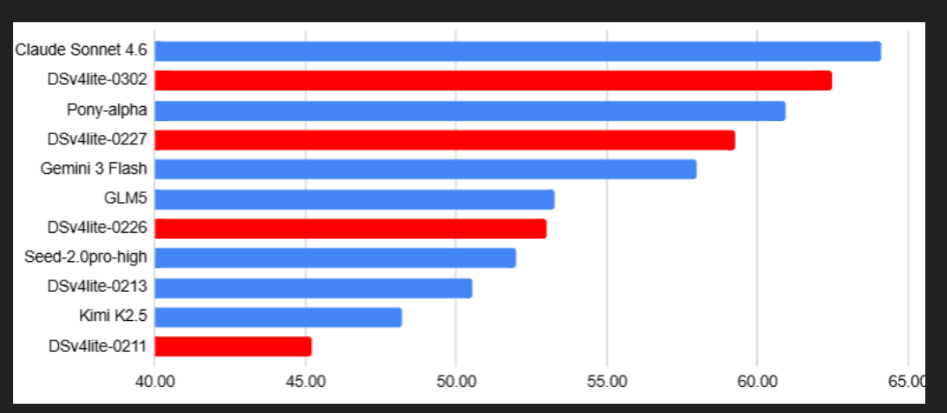
DeepSeek V4 Lite, a surprisingly powerful AI model with just 200 billion parameters, is turning heads in the tech community. Originally launched in February with strong long-context processing capabilities, recent updates have dramatically improved its performance. Developers report it now rivals top international models like Anthropic Claude 3.5 Sonnet in logic, programming, and aesthetics. This unexpected leap forward has sparked excitement about what its full version might achieve.

March 3, 2026
Artificial IntelligenceMachine LearningDeepSeek
MiniMax posts strong first-year results with $79M revenue
News

MiniMax posts strong first-year results with $79M revenue

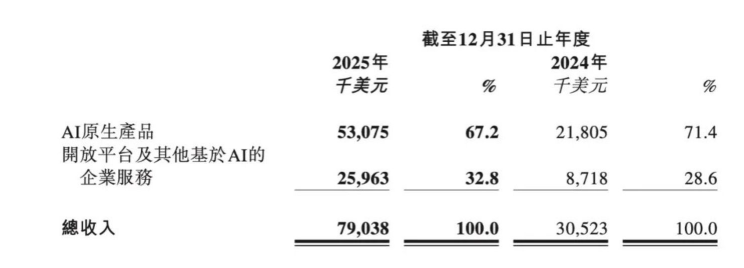
Chinese AI firm MiniMax reported impressive growth in its debut annual report since going public, with revenue surging 159% to $79 million. While showing promising cost efficiencies and global traction, the company faces challenges including massive paper losses from valuation changes and ongoing copyright lawsuits.

March 3, 2026
Artificial IntelligenceCorporate EarningsTech Startups