NVIDIA CEO Calls OpenClaw a Game-Changer in AI Evolution
NVIDIA CEO Spotlights OpenClaw's Meteoric Rise
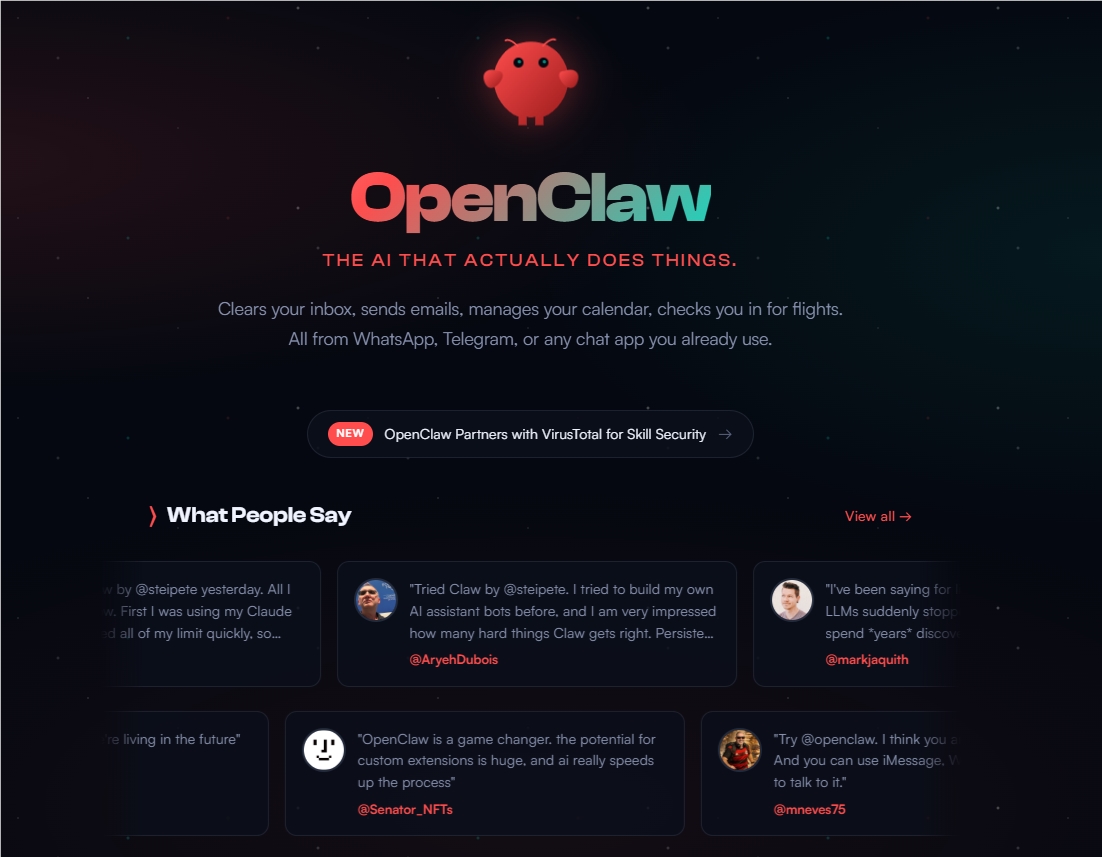
In a keynote that sent ripples through the tech world, NVIDIA CEO Jensen Huang didn't mince words when describing OpenClaw's impact. "This isn't just another software release," he told attendees at the Morgan Stanley conference. "We're witnessing something transformative."
The numbers tell a compelling story. While Linux needed thirty years to reach its current adoption levels, OpenClaw shattered records by achieving comparable popularity in just twenty-one days. Huang's enthusiasm was palpable as he described watching download metrics climb exponentially.
The Five-Layer Cake: Mapping AI's Future
Huang presented his vision for AI infrastructure through what he calls the "five-layer cake" model:
- Energy layer: The foundational power requirements
- Chip and computing infrastructure: Hardware backbone
- Cloud data centers: Distributed processing power
- AI models: The brains of operations
- Application layer: Where users interact with technology
The top application layer, Huang emphasized, delivers outsized returns for cloud providers. Here's where projects like OpenClaw shine—they don't just assist human work but can replicate entire workflows with precision.
Computing at Scale: The New Frontier
The CEO explained how agentic AI creates unprecedented demand: "When you need to process context across thousands of tokens simultaneously," Huang noted while adjusting his signature leather jacket, "you're talking about compute requirements that dwarf traditional models."
NVIDIA isn't sitting idle. Their upcoming Vera Rubin architecture specifically targets these challenges through:
- Enhanced onboard memory components
- ICMS platform integration
- Optimizations for extended context processing
The room buzzed as Huang concluded: "We're not just building faster chips—we're reimagining what computing looks like in an agentic AI world."
Key Points:
- OpenClaw achieved Linux-level adoption in weeks rather than decades
- Agentic AI requires ~1000x more token processing than previous systems
- NVIDIA's Vera Rubin architecture directly addresses these new demands
- The application layer drives disproportionate value in Huang's five-layer model