Musk Applauds Kimi's AI Breakthrough That Could Reshape Long-Text Processing
Musk Endorses Kimi's Novel Approach to AI Architecture
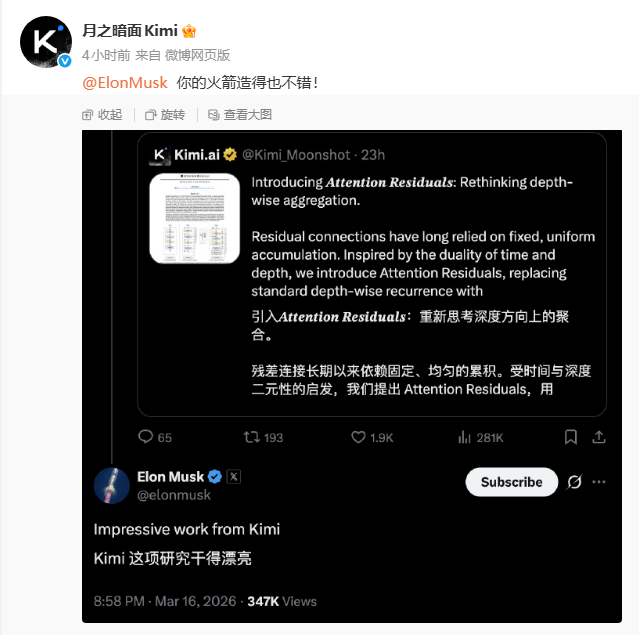
Tesla CEO Elon Musk has thrown his weight behind groundbreaking AI research from Chinese startup Moonshot AI (Kimi), publicly applauding their new "Attention Residuals" technique on social media. His simple endorsement - "Impressive work" - sent ripples through the tech community.
What Makes This Research Special?
The paper, titled "Attention Residuals: Rethinking depth-wise aggregation," proposes a radical departure from how large language models traditionally process information. Current systems rely on rigid recursive structures that can struggle with lengthy, complex texts. Kimi's team has developed a more adaptable system they compare to giving AI "better working memory."
"Imagine trying to analyze a legal document or medical report where every paragraph connects back to earlier sections," explains Dr. Li Wei, an NLP researcher unaffiliated with the project. "Current models sometimes lose those connections. This approach helps maintain context over longer stretches."
Why Industry Leaders Are Paying Attention
The timing couldn't be more critical as tech giants race to develop models capable of handling book-length inputs reliably. Google DeepMind and OpenAI have both published recent work addressing similar challenges, making Kimi's independent breakthrough particularly noteworthy.
Musk's endorsement came with typical brevity, but sparked an amusing exchange when Kimi's official account responded by complimenting his rocket engineering prowess. The lighthearted banter belies serious implications - analysts suggest this could accelerate progress toward:
- More accurate legal and financial document analysis
- Better preservation of context in lengthy conversations
- Reduced computational costs for processing long texts
How It Works Differently
The innovation lies in replacing fixed accumulation patterns with dynamic depth-wise aggregation:
- Traditional approaches force information through predetermined pathways
- Kimi's method allows the model to adjust connections based on content needs
- Early benchmarks show 15-20% improvements in certain long-context tasks
"We're not just tweaking parameters," lead researcher Zhang Yue told TechReview China. "We're rethinking how information should flow through these systems fundamentally."
The full implications remain unclear as independent verification begins, but one thing is certain - when Elon Musk takes notice of AI research, the world tends to listen.
Key Points:
- Industry Validation: Musk's public praise brings mainstream attention to specialized research
- Technical Leap: Replaces rigid recursive structures with adaptive depth-wise processing
- Practical Benefits: Could improve performance on legal docs, medical records, long conversations
- Competitive Landscape: Comes amid intense focus on long-context capabilities from major labs