Milk Tea Money Buys Custom AI: How Young Entrepreneurs Are Cashing In
The Rise of the Pocket-Sized AI Entrepreneur
Imagine paying for a custom app with your weekly milk tea budget. That's exactly what's happening across Chinese platforms, where tech-savvy youth are turning AI tools into personal businesses. 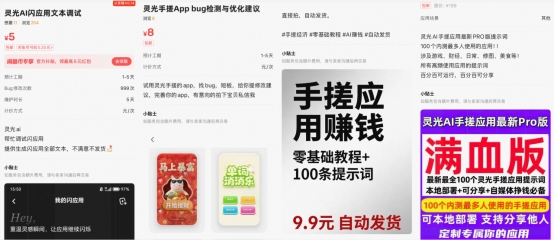
From Consumers to Creators
On Xianyu and Xiaohongshu, a new breed of seller has emerged - the 'digital sole proprietor.' These aren't Silicon Valley types with computer science degrees, but ordinary people monetizing their niche knowledge through AI-powered apps.
"I made an app to track my cat's expenses," shares one 22-year-old seller. "When friends asked for copies, I realized I could sell it." Her $1.99 'Pet Budget' app now nets over $300 monthly.
The Price is Right (and Low)
The economics are startling:
- $0.70 for bug fixes
- $1.20 for optimization tips
- $3 for complete app customization
The most popular items? Personal growth trackers and budgeting tools, with some sellers moving thousands of units monthly.
No Code? No Problem
What makes this possible are platforms like Lingguang that turn natural language into functional apps. "It's like teaching a very patient intern," explains a former barista now selling custom workout planners. "You keep refining your instructions until the AI gets it right."
The Tutorial Economy
The real money might be in teaching others:
- $1.50 prompt word packs sell thousands weekly
- $1.40 tutorial PDFs claim to reveal '7 profitable niches'
- Some sellers transition from buyers to instructors in weeks
"I spent $6 learning," says a college student running three app shops, "then made that back in an hour selling my prompt formulas."
Growing Pains
The gold rush isn't without issues:
- Quality varies wildly between sellers
- Some tutorials overpromise results
- Market saturation in popular categories
Yet the trend shows no signs of slowing. As one developer-turned-mentor puts it: "We're seeing the YouTube effect - when creation tools democratize, everyone becomes a creator."
Key Points:
- AI tools enable non-coders to build profitable micro-apps
- Prices start under $1, creating ultra-low barrier to entry
- Secondary markets emerge for prompts and tutorials
- Quality control becomes challenge as market grows