Microsoft Pushes Back on Reports of AI Slowdown

Microsoft Stands Firm on AI Growth Amid Market Jitters

Image

Tech heavyweight Microsoft finds itself batting away speculation about its artificial intelligence ambitions after reports surfaced suggesting softer growth targets. While internal documents revealed some sales teams struggled to hit their marks last fiscal year, company leadership insists this doesn't reflect any strategic retreat.

The Reports That Sparked Concern

The Information's recent scoop painted a picture of uneven performance across Microsoft's AI divisions. Their investigation found:

  • Less than 20% of sales staff in one department reached even half their target for Azure Foundry adoption
  • Another team saw initial goals slashed from 100% to 50%
  • Multiple groups reportedly missed fiscal year objectives

These revelations sent ripples through Wall Street, with Microsoft's stock dipping more than 2% on the news - a clear sign investors remain skittish about AI's commercial realities.

Microsoft's Counterargument

The Redmond-based company wasted no time pushing back. "We haven't changed our overall growth targets," a spokesperson told CNBC bluntly. Their core argument? There's a crucial difference between adjusting individual team quotas and altering corporate strategy.

Think of it like a sports team changing player assignments without abandoning the season's championship goal. Sales targets get tweaked constantly based on market conditions, product cycles, and countless other factors.

Why This Matters Beyond Microsoft

The intense reaction highlights how closely markets watch Big Tech's AI bets. After last year's euphoric predictions about artificial intelligence transforming businesses overnight, reality appears more nuanced:

  • Implementation challenges emerge as companies actually deploy these tools
  • Sales cycles might prove longer than anticipated
  • Training and adoption hurdles become clearer

The Azure Foundry platform sits at the heart of Microsoft's enterprise AI push, letting businesses build customized agents. If adoption proves slower than hoped, it could signal broader enterprise hesitation.

Key Points:

  • Microsoft denies reducing company-wide AI growth targets despite sales team struggles
  • Internal reports show some departments missed fiscal year objectives
  • Stock dropped over 2% amid investor concerns about AI momentum
  • Company maintains quota adjustments differ from strategic changes
  • Situation reflects growing pains in commercializing generative AI
Enjoyed this article?

Subscribe to our newsletter for the latest AI news, product reviews, and project recommendations delivered to your inbox weekly.

Weekly digestFree foreverUnsubscribe anytime

Related Articles

News

Musk Takes Aim at OpenAI in Court: Claims ChatGPT Risks Outweigh Benefits

Elon Musk made explosive claims in court this week, alleging OpenAI's ChatGPT has driven users to suicide while touting his xAI's safety record. The Tesla CEO testified in a lawsuit stemming from his signature on a 2023 open letter calling for AI development pauses. While criticizing OpenAI's profit motives, Musk faces scrutiny himself as regulators investigate explicit content generated by his Grok AI.

February 28, 2026
ArtificialIntelligenceTechRegulationElonMusk
xAI's Founding Team Shrinks as Another Co-Founder Steps Down
News

xAI's Founding Team Shrinks as Another Co-Founder Steps Down

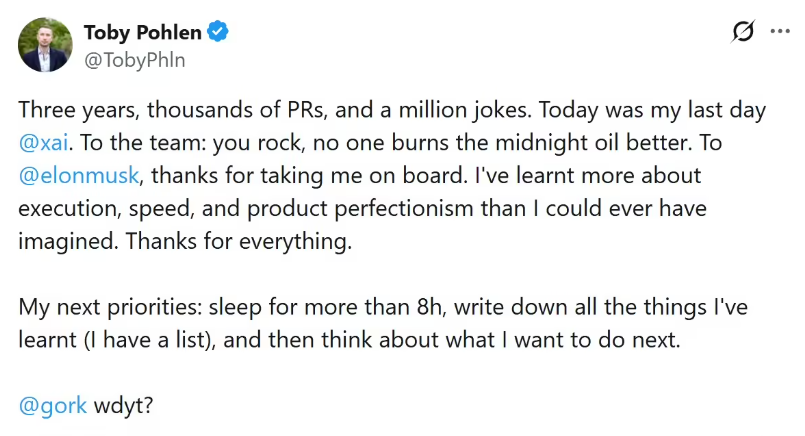
Elon Musk's AI venture xAI faces another high-profile departure as co-founder Toby Pohlen announces his exit. With Pohlen's resignation, only five of the original twelve founding members remain at the company. The former digital agent project lead shared heartfelt reflections on social media about his intense three-year journey, joking about finally getting proper sleep. This marks the seventh founding member to leave since xAI's inception less than three years ago.

February 27, 2026
xAIElonMuskArtificialIntelligence
Microsoft's Copilot Tasks Takes AI Assistance to the Next Level
News

Microsoft's Copilot Tasks Takes AI Assistance to the Next Level

Microsoft has unveiled Copilot Tasks, transforming its AI assistant into an autonomous agent that can execute complex workflows. The tool goes beyond simple suggestions - it can draft emails, monitor travel prices, even customize resumes - all while running silently in the background. Though still in testing, this innovation signals a major shift toward AI that doesn't just assist but actively completes tasks on our behalf.

February 27, 2026
MicrosoftAI AssistantsProductivity Tools
News

China Takes Lead in AI Adoption as Domestic Models Gain Global Traction

In a significant shift for the tech landscape, Chinese AI models have surpassed their US counterparts in global usage. Recent data reveals explosive growth for China's AI offerings, with domestic models now dominating four of the top five spots worldwide. Meanwhile, diplomatic exchanges and currency movements suggest broader economic implications behind this technological transition.

February 27, 2026
ArtificialIntelligenceChinaTechGlobalEconomy
News

Microsoft's Copilot Tasks Takes Over Your To-Do List

Microsoft has unveiled Copilot Tasks, a cloud-based AI assistant that handles routine work so you don't have to. Running independently in the cloud, it can organize emails into presentations, manage subscriptions, even hunt for apartments - all while your computer stays free for other work. The system asks permission before sensitive actions like payments, blending automation with peace of mind.

February 27, 2026
MicrosoftAI AssistantProductivity Tools
NVIDIA Hits $216B Revenue as AI Takes Autonomous Leap
News

NVIDIA Hits $216B Revenue as AI Takes Autonomous Leap

NVIDIA's financial success reaches new heights with $216 billion in annual revenue, driven by what CEO Jensen Huang calls AI's 'inflection point' toward autonomous action. The tech giant isn't alone - OpenAI's new partnership and Samsung's latest devices signal an industry-wide shift from chatbots to AI agents that plan vacations and fold laundry. Huang predicts physical AI in robotics will be the next frontier.

February 27, 2026
ArtificialIntelligenceNVIDIATechInnovation