Microsoft Bets Big on Homegrown AI to Rival Tech Giants by 2027

Microsoft's Ambitious AI Play: Building the Future In-House

In a strategic pivot that could reshape the AI industry, Microsoft is doubling down on developing its own advanced artificial intelligence systems. The company has set its sights on creating models that can go toe-to-toe with offerings from OpenAI and Anthropic within the next three years.

From Partnership to Independence

The move marks a significant evolution in Microsoft's approach. While the company has long collaborated with OpenAI, recent adjustments to their partnership have given Microsoft more freedom to chart its own course. "We're not abandoning our partners," a company spokesperson noted, "but we recognize the importance of having our own capabilities in this critical field."

Key aspects of Microsoft's plan include:

  • Three-year timeline for achieving full AI autonomy
  • Continued support for external open-source models alongside internal development
  • Major investments in computing infrastructure to power these efforts

Powering Up with Cutting-Edge Hardware

To fuel its AI ambitions, Microsoft isn't cutting corners on hardware. The company is rolling out massive clusters powered by NVIDIA's newest GB200 chips - some of the most powerful processors available for machine learning tasks.

Industry analysts estimate that within 12-18 months, Microsoft's computing capacity could become among the largest in the world. This computing muscle will be crucial for training increasingly sophisticated models that can handle text, images, and audio with human-like proficiency.

Early Wins Show Promise

The strategy is already bearing fruit. Just last week, Microsoft unveiled a specialized voice transcription model that outperformed competitors in 11 out of 25 major languages tested. This lightweight but powerful tool will soon enhance productivity in applications like Teams, offering users more accurate meeting transcripts and real-time translation.

"What's impressive," noted AI researcher Dr. Elena Martinez, "is how quickly they've moved from concept to competitive product. It suggests their internal development pipeline is firing on all cylinders."

The Big Picture: An AI Arms Race Heats Up

Microsoft's push reflects broader industry trends as tech giants increasingly view AI independence as strategic necessity rather than optional advantage. The days when companies could rely solely on partnerships may be waning as the technology becomes central to business operations across sectors.

The coming years promise intense competition as firms like Microsoft build their own capabilities while maintaining complex relationships with former collaborators. For consumers and businesses alike, this could mean more choice - and potentially faster innovation - in the AI tools that are reshaping how we work and live.

Key Points:

  • Microsoft aims to develop industry-leading AI models by 2027
  • Major investments in NVIDIA GB200 chips will provide needed computing power
  • Early success seen with specialized voice transcription model
  • Move signals shift toward technological independence among major players
Enjoyed this article?

Subscribe to our newsletter for the latest AI news, product reviews, and project recommendations delivered to your inbox weekly.

Weekly digestFree foreverUnsubscribe anytime

Related Articles

Google's Gemma4 AI Model Goes Open-Source with Impressive Capabilities
News

Google's Gemma4 AI Model Goes Open-Source with Impressive Capabilities

Google has unveiled Gemma4, its latest open-source AI model series featuring four variants with groundbreaking capabilities. The lineup includes efficient E2B and E4B models for edge devices and powerful 26B MoE and 31B dense versions that rank among the world's top open-source models. What makes Gemma4 special? It supports images, videos, and even real-time voice processing while being remarkably accessible for local deployment.

April 3, 2026
Gemma4OpenSourceAIGoogleAI
Tencent Cloud Gives AI Agents a Better Memory with New Service
News

Tencent Cloud Gives AI Agents a Better Memory with New Service

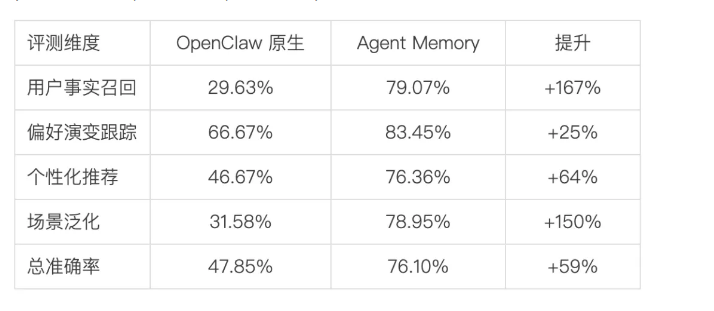
Tencent Cloud has introduced a breakthrough memory service for AI agents, tackling one of artificial intelligence's persistent challenges - short-term memory limitations. Their new 'TencentDB Agent Memory' transforms fragmented conversations into structured knowledge, boosting answer accuracy by nearly 60%. Integrated with popular products like Lighthouse and ClawPro, this innovation could redefine how AI agents learn and interact over time.

April 3, 2026
ArtificialIntelligenceCloudComputingTechInnovation
News

Microsoft Bets Big on Homegrown AI to Challenge Industry Leaders

Microsoft is making an aggressive push into developing its own AI models, aiming to compete head-to-head with OpenAI and Anthropic by 2027. The tech giant is investing heavily in computing power with NVIDIA's latest chips and has already seen promising results with a new speech transcription model. This strategic shift comes after Microsoft gained more independence from its partnership with OpenAI, signaling its ambition to become a leader rather than just an integrator of AI technology.

April 3, 2026
MicrosoftAI DevelopmentTech Competition
Apple and HKU Team Up to Revolutionize 4K Rendering with LGTM Tech
News

Apple and HKU Team Up to Revolutionize 4K Rendering with LGTM Tech

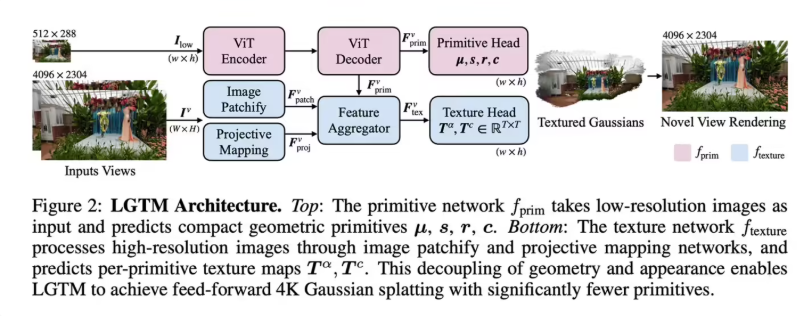
Apple's latest collaboration with the University of Hong Kong has produced LGTM, a groundbreaking rendering framework that tackles the stubborn challenge of 4K video quality. By cleverly separating scene geometry from surface textures, this innovation promises smoother visuals for Apple Vision Pro users while significantly reducing computational demands. Early demonstrations show remarkably lifelike textures and crisp text clarity that could redefine immersive experiences.

April 3, 2026
AppleComputerGraphicsVirtualReality
Zhipu's New AI Model Turns Sketches Into Code Instantly
News

Zhipu's New AI Model Turns Sketches Into Code Instantly

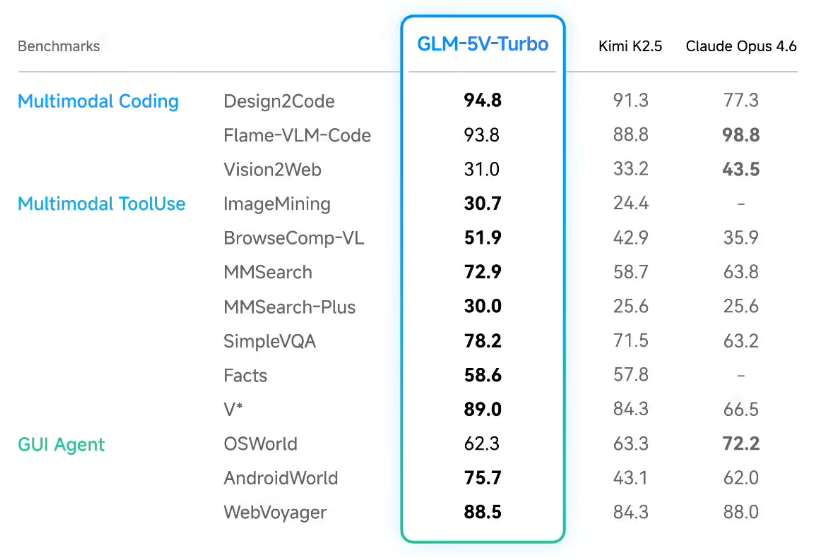
Zhipu AI has unveiled GLM-5V-Turbo, a groundbreaking model that bridges the gap between design and development. Unlike traditional AI tools, this model can interpret visual inputs like sketches and screenshots, converting them directly into functional front-end code. With its impressive 200k context window, it understands not just layouts but also color schemes and interaction logic. The technology is already powering Zhipu's AutoClaw agent, enabling it to analyze complex charts and generate reports in seconds. This advancement could dramatically change how developers work with visual interfaces.

April 2, 2026
AIProgrammingVisualCodingTechInnovation
Xiaomi's AI Model Climbs Global Rankings with User-Driven Success
News

Xiaomi's AI Model Climbs Global Rankings with User-Driven Success

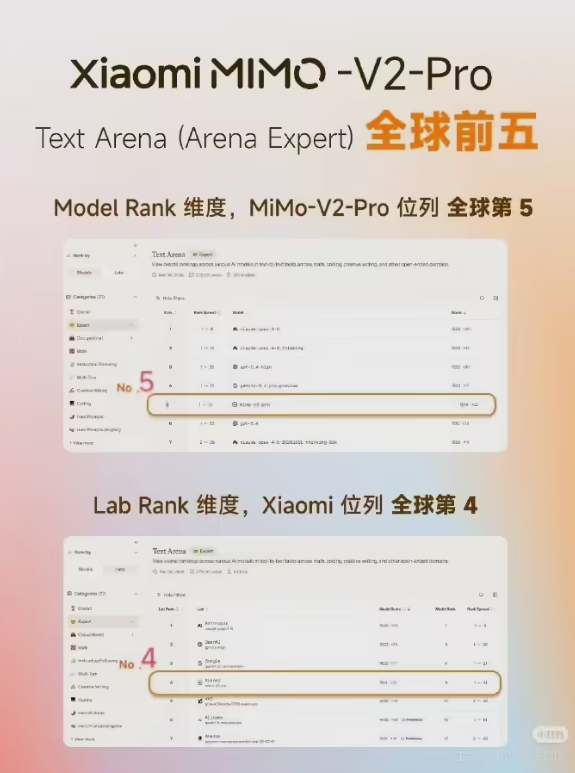
Xiaomi's MiMo-V2-Pro has secured a spot among the world's top five AI models in Text Arena's rigorous evaluation, a testament to its advanced reasoning and dialogue capabilities. CEO Lei Jun highlights the significance of user votes over traditional rankings, showcasing Xiaomi's commitment to real-world performance. The achievement reflects the company's substantial investments in AI and its strategy to integrate these technologies across its ecosystem.

March 31, 2026
XiaomiAIMiMo-V2-Pro