
Meta shifts to AI content review, phasing out human moderators

Meta's AI takeover: The end of human content moderators?

In a move that could reshape social media moderation, Meta has revealed plans to gradually replace its army of human content reviewers with artificial intelligence systems. The announcement signals a fundamental shift in how Facebook and Instagram will handle the flood of posts, images and videos uploaded every minute.

Why AI is taking over

The tech giant argues that modern AI systems - particularly generative AI - have matured enough to handle the grueling task of screening harmful content. "These systems excel at repetitive, high-volume tasks that can traumatize human workers," a Meta spokesperson explained.

For years, outsourced moderators have shouldered the psychological burden of reviewing graphic violence, hate speech and other disturbing material. Multiple lawsuits have highlighted how this constant exposure leads to PTSD among workers earning modest wages.

The human cost versus machine efficiency

Meta's transition comes with complex tradeoffs. While AI doesn't suffer emotional distress from viewing violent content, its decisions lack human nuance. The company maintains that some sensitive cases will still go to human reviewers, but the writing appears on the wall for thousands of moderation jobs worldwide.

"AI can learn new patterns of harmful content almost instantly," the spokesperson noted, pointing to advantages in combating evolving threats like drug sales or financial scams. But critics counter that algorithms often struggle with context - potentially flagging legitimate discussions about sensitive topics while missing subtle forms of abuse.

A industry at a crossroads

The move reflects broader tensions in tech between automation ethics and business realities. As one industry analyst put it: "This isn't just about efficiency - it's about liability. Machines don't sue when they develop PTSD."

With Meta leading the charge, other platforms may follow suit in replacing human judgment with algorithmic decisions. But as recent incidents with "rogue AI" have shown, the technology remains imperfect. The coming years will test whether machines can truly replace human discernment in governing online spaces.

Key points:

  • AI replacing humans: Meta plans full transition from human moderators to AI systems
  • Mental health driver: Move addresses long-standing concerns about moderator trauma
  • Job impacts: Thousands of outsourced positions likely to disappear globally
  • Accuracy questions: Algorithms may struggle with contextual decisions humans handle better
  • Industry shift: Other platforms may follow Meta's lead in automation push
Enjoyed this article?

Subscribe to our newsletter for the latest AI news, product reviews, and project recommendations delivered to your inbox weekly.

Weekly digestFree foreverUnsubscribe anytime

Related Articles

News

Rakuten AI Faces Backlash Over License Removal Scandal

Japan's Rakuten Group finds itself in hot water after its much-touted AI model was caught removing required open-source license information. The company quickly backtracked when tech enthusiasts spotted the omission, but the damage to its reputation may linger. This incident raises fresh questions about corporate transparency when building on community-developed technology.

March 18, 2026
AI ethicsOpen sourceTech scandals
News

Beijing Cracks Down on AI Misuse with Month-Long 'AI for Good' Campaign

Beijing has launched a targeted campaign to clean up AI misuse online. The one-month initiative aims to tackle everything from deepfake scams to AI-generated pornography, focusing on five key problem areas. Authorities will work with platforms to strengthen content moderation while cracking down on illegal services that exploit AI technology.

March 18, 2026
AI regulationdeepfake crackdowncontent moderation
News

OpenAI and AWS Forge Defense Deal as Anthropic Exits Pentagon Partnership

In a major shakeup for AI in government, OpenAI has secured a deal to provide its models to the Pentagon through Amazon Web Services. This comes as rival Anthropic withdrew from government contracts over ethical concerns about military applications. The shift signals growing tensions between AI commercialization and ethical boundaries in defense technology.

March 18, 2026
AI ethicsgovernment technologydefense contracts
News

Justice Dept. Fires Back at AI Firm Over Military Use Restrictions

The U.S. Justice Department has escalated its legal battle with AI company Anthropic, arguing the firm's attempts to restrict military use of its Claude AI system justify its 'supply chain risk' designation. Government lawyers predict the lawsuit will fail, while tech industry leaders rally behind Anthropic's ethical stance - creating a high-stakes clash between national security concerns and AI principles.

March 18, 2026
AI ethicsmilitary technologygovernment contracts
Manus AI Brings 'My Computer' to Life with 20-Minute App Creation
News

Manus AI Brings 'My Computer' to Life with 20-Minute App Creation

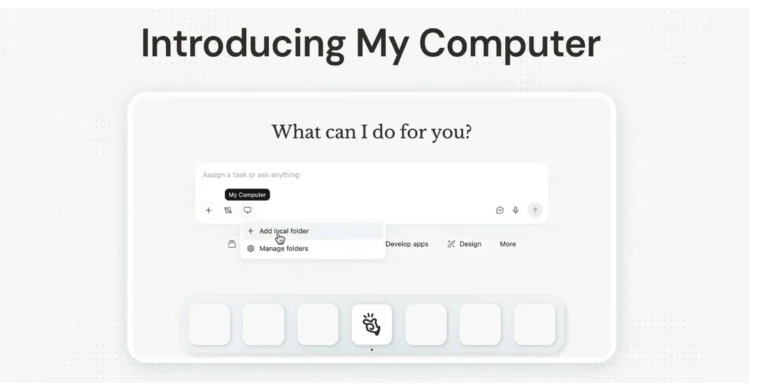
Meta's AI platform Manus just made a game-changing leap from the cloud to your desktop. Their new 'My Computer' feature lets AI agents directly manage files, automate tasks, and even build apps in minutes - all while keeping your data secure with strict human oversight. This could transform how we interact with our devices, turning AI from a helper into a true digital colleague.

March 18, 2026
AIProductivity ToolsMeta
News

Robot Rental Startup Qingtianzhu Lands Major Funding, Eyes Entertainment Expansion

Chinese robotic leasing platform Qingtianzhu has secured over 100 million yuan in fresh funding from notable investors including actor Huang Xiaoming's venture firm. The capital injection will fuel service network expansion and push robots into surprising new territory - live entertainment venues. With thousands of devices already deployed, the company is betting big on robots becoming stars of both industry and stage.

March 18, 2026
roboticsventure capitalentertainment tech