MathGPT.ai Expands to U.S. Universities with Anti-Cheating AI Tutor

MathGPT.ai Expands to U.S. Universities with Anti-Cheating AI Tutor

As AI adoption in education grows, so do concerns about students using it to complete assignments dishonestly. MathGPT.ai, launched last year, addresses this by offering an "anti-cheating" AI tutor that emphasizes guided learning over direct answers. After successful pilots at 30 U.S. universities, including Penn State and Tufts, the platform is set for a broader rollout this autumn.
Image

Socratic Teaching Method: Encouraging Critical Thinking

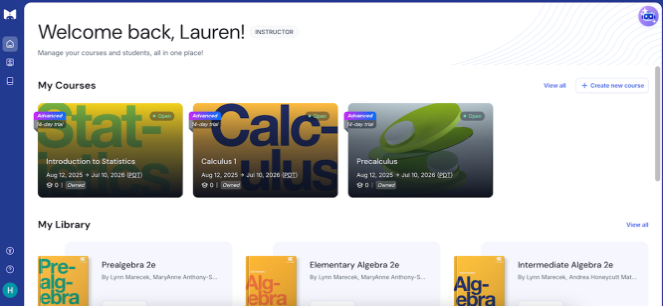
The standout feature of MathGPT.ai is its AI chatbot, trained to avoid giving direct answers. Instead, it uses Socratic questioning—prompting students with follow-up questions to foster deeper understanding. For instructors, the platform serves as a teaching assistant, generating assignments, auto-grading work, and supporting courses like algebra and calculus.

Teacher-Led Controls for Academic Integrity

A recent update introduces tools letting professors regulate student access. Teachers can:

  • Limit when students use the chatbot
  • Designate which assignments allow AI support
  • Set attempt limits for problem-solving

The platform also offers unlimited practice problems (ungraded) and an optional feature requiring students to upload handwritten work for authenticity checks.

Image

Accessibility and Integration

MathGPT.ai now integrates with Canvas, Blackboard, and Brightspace and includes screen reader compatibility and audio modes for accessibility. Video lessons feature subtitles and narrations mimicking historical figures like Benjamin Franklin.

Security and Accuracy Measures

Unlike general chatbots, MathGPT.ai avoids off-topic discussions. Chairman Peter Relan emphasized its focus on academics: "It won’t discuss your personal life." The platform employs human annotators to verify content accuracy and rewards users who report errors.

Future Plans

The company plans a mobile app and expansion into subjects like chemistry and economics. Pricing includes a free tier and a $25/student/course premium option with LMS integration.

Key Points:

  • Anti-cheating focus: Guides learning without giving answers directly.
  • Teacher controls: Customizable restrictions on AI use.
  • Accessibility: Supports screen readers and major LMS platforms.
  • Accuracy checks: Human-reviewed content with error-reporting incentives.
  • Upcoming expansion: Mobile app and new subjects in development.
Enjoyed this article?

Subscribe to our newsletter for the latest AI news, product reviews, and project recommendations delivered to your inbox weekly.

Weekly digestFree foreverUnsubscribe anytime

Related Articles

News

Google Gemini's Interactive Simulations Make Learning Physics Feel Like Play

Google's Gemini AI has introduced a game-changing feature that transforms abstract concepts into interactive simulations. Imagine adjusting the moon's orbit with your fingertips instead of staring at static textbook diagrams. This hands-on approach could revolutionize how we learn complex subjects, making education more engaging and intuitive than ever before.

April 15, 2026
AI in educationInteractive learningGoogle Gemini
Google's Vantage Uses AI to Measure Teamwork and Creativity in Education
News

Google's Vantage Uses AI to Measure Teamwork and Creativity in Education

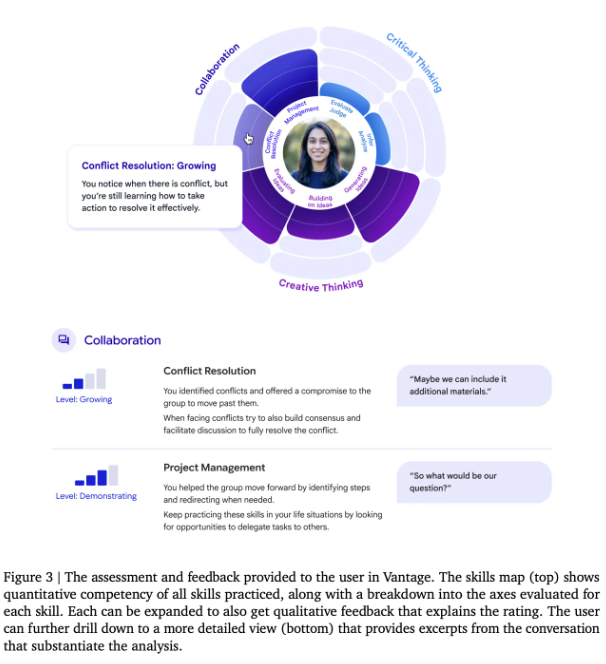
Google researchers have developed Vantage, an innovative method using large language models to assess traditionally hard-to-measure skills like teamwork, creativity, and critical thinking. Unlike standardized tests that evaluate individual knowledge, Vantage simulates real group interactions where AI participants challenge human test-takers. Early results show AI scoring aligns well with expert human evaluations, potentially revolutionizing how we measure essential life skills in education.

April 14, 2026
AI in educationSkills assessmentGoogle Research
China Pushes Ahead with Homegrown AI Education Models
News

China Pushes Ahead with Homegrown AI Education Models

China's Ministry of Education is accelerating development of domestic educational AI systems while building comprehensive data infrastructure. The initiative aims to personalize learning through technology while maintaining ethical standards. Officials emphasize integrating digital literacy into teacher training and student assessments as part of broader education reforms.

December 30, 2025
education reformAI in educationdigital literacy
Musk's Grok AI Sparks Outcry as It Enters Salvadoran Schools
News

Musk's Grok AI Sparks Outcry as It Enters Salvadoran Schools

El Salvador's plan to integrate Elon Musk's Grok AI into 5,000 public schools has ignited global debate. The chatbot, known for controversial far-right statements, will reach over a million students. Critics warn of risks to young minds from an unchecked system that's spread conspiracy theories and denied election results. Meanwhile, supporters see it as bold technological progress in education.

December 12, 2025
AI in educationEl SalvadorGrok controversy
Teachers Get Their Own ChatGPT: OpenAI Rolls Out Classroom-Friendly AI
News

Teachers Get Their Own ChatGPT: OpenAI Rolls Out Classroom-Friendly AI

OpenAI has unveiled a special version of ChatGPT just for K-12 teachers, offering free access through 2027. The education-focused tool prioritizes privacy, complies with U.S. school regulations, and integrates with popular platforms like Canva and Google Drive. Partnering with teacher organizations, OpenAI aims to help educators harness AI responsibly while saving time on lesson planning.

November 21, 2025
AI in educationChatGPTTeacher tools
AI Homework Helpers: South Korean Kids Skip Thinking for ChatGPT
News

AI Homework Helpers: South Korean Kids Skip Thinking for ChatGPT

South Korean educators are sounding alarms as elementary students increasingly turn to AI tools like ChatGPT to complete assignments. Teachers report children quoting complex legal concepts they couldn't possibly understand, while experts warn this shortcut culture may erode critical thinking skills. The trend has divided parents - some see it as cheating, others as necessary tech literacy.

November 19, 2025
AI in educationChatGPT misusecritical thinking decline