LTX-2 AI Model Revolutionizes Video Generation with 4K Output
Lightricks Launches LTX-2: A Leap Forward in AI Video Generation
Amid rapid advancements in artificial intelligence, Lightricks has unveiled LTX-2, its next-generation AI video generation model that sets new standards for quality and functionality in automated content creation.
Breakthrough Synchronization Technology
The model's core innovation lies in its simultaneous audio-visual generation capability. Unlike previous tools that produced silent videos requiring manual voiceover work, LTX-2 generates synchronized content within a single diffusion process. This ensures precise alignment of:
- Lip movements with speech
- Visual effects with corresponding sounds
- Motion rhythms with accompanying audio cues
Unprecedented Video Quality
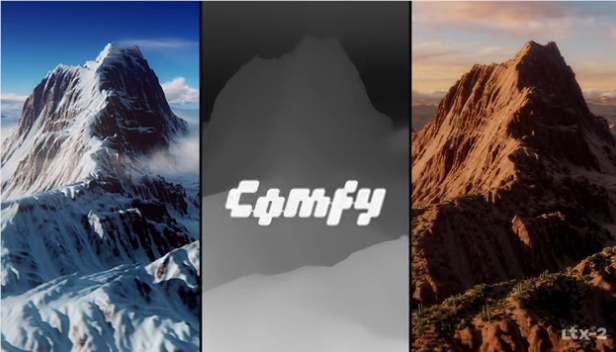
LTX-2 supports output at 4K resolution and 50 frames per second, delivering cinematic-quality results. The model represents the first reliable open-source solution for native 4K video generation, enabling direct use in professional applications like:
- Film production
- Advertising campaigns
- Marketing materials
Enhanced Creative Control
The platform offers multiple input modalities including:
- Text prompts
- Image references
- Sketch inputs
The system allows granular control over camera angles, object movements, and timing through an intuitive interface.
The built-in LoRA (Low-Rank Adaptation) fine-tuning mechanism enables users to develop personalized style models with minimal training data.
Local Processing Advantage
Unlike cloud-dependent alternatives, LTX-2 operates entirely on local hardware using consumer-grade GPUs. This approach provides:
- Greater privacy protection
- Reduced operational costs
- Offline functionality Lightricks plans to open-source the model's codebase, weights, and training methodology by fall 2025. # Key Points
- First AI model generating synchronized 4K video/audio natively
- Supports professional-grade output at 50fps
- Local processing eliminates cloud dependency
- Open-source release planned for late 2025